Choosing the right AC Power Source begins with understanding the equipment, location, and expected electrical load. A laboratory instrument needs cleaner power than a simple heating element. A server rack needs stability, backup planning, and careful grounding. A portable construction tool may prioritize ruggedness and easy transport. The correct choice is rarely based on wattage alone.
Roger C. Dugan, a widely cited power-quality specialist, describes the issue clearly: “Any power problem manifested in voltage, current, or frequency deviations that results in failure or malfunction of customer equipment.” His definition reminds buyers to examine voltage stability, frequency, waveform quality, surge protection, and available capacity. Small details matter. Check the nameplate. Measure the starting current. Confirm the outlet and circuit ratings. Review the operating environment.
A practical selection process should compare generators, utility supplies, inverters, uninterruptible power supplies, and regulated laboratory sources. Each option has trade-offs. A generator may provide strong output but introduce noise and frequency variation. An inverter can deliver clean power, yet battery runtime may disappoint. That part is easy to overlook.
Real-world experience also deserves attention. Test the AC Power Source with the actual load, not only a specification sheet. Record temperature, startup behavior, voltage changes, and noise levels. Ask whether maintenance support is available locally. Standards and certifications should be verified for the intended region and application.
No selection is perfect. Requirements can change. A careful review leaves room for that uncertainty. This guide explains how to evaluate performance, safety, reliability, and total operating cost before making a confident decision.
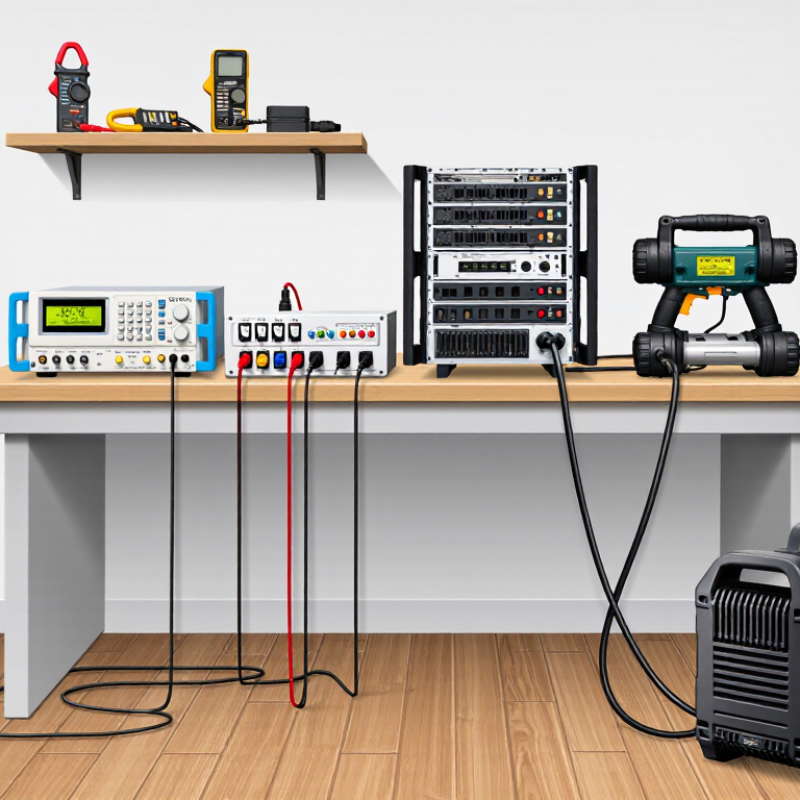
Choosing the right AC power source starts with the equipment, not the outlet. Define its required voltage, frequency, phase, and maximum current. A device marked 230 volts may still need a stable 50 Hz supply. Small differences can create heat, noise, or unexpected shutdowns.
Check the nameplate and technical manual together. The nameplate shows normal demand, while the manual may reveal startup surge, allowable voltage variation, and grounding requirements. Motors, compressors, and power supplies often draw more current during startup. I have seen systems fail because engineers sized the source for running power only. That mistake looks minor on paper. It is not.
Tips: Record running and peak current separately. Confirm the connector and cable rating. Measure voltage at the equipment, not only at the panel. Check whether the load needs single-phase or three-phase power. Consider waveform quality for sensitive control equipment. Add a reasonable capacity margin, but avoid excessive oversizing. It can reduce efficiency and increase operating costs. Recheck the figures after installation. Real conditions may differ from the specification sheet, especially when long cables, shared circuits, or changing loads are involved.
Choosing an AC power source starts with the load, not the socket. In a workshop, I measure running watts, startup surges, voltage stability, and operating hours before selecting equipment. Utility mains are usually quiet and economical, but outages and voltage dips can interrupt sensitive devices. They are not always dependable. A voltage monitor and circuit log reveal problems that casual testing misses.
Portable generators provide independence for tools, pumps, and emergency circuits. However, fuel storage, noise, ventilation, maintenance, and changing output require careful planning. Never operate combustion equipment indoors. Generator capacity should exceed continuous demand and handle the largest startup surge. This sounds simple, yet I have seen people size only for labels, not real starting currents. That mistake can trip protection or shorten equipment life.
Inverter-based systems and battery power stations offer cleaner, quieter AC for electronics. Their output quality is often stable, but runtime depends on battery capacity, temperature, and conversion losses. UPS units can bridge brief interruptions and protect computers from abrupt shutdowns. They may not support heaters, motors, or large compressors for long. A pure sine-wave output is preferable for sensitive equipment. Read tested specifications, not attractive runtime claims. I still leave margin, because real loads rarely behave like brochures predict.
Typical time required to provide usable AC power after an interruption
Online UPS systems normally provide continuous power with zero transfer time, while offline UPS systems typically switch within 2–10 milliseconds. Generators generally require about 10–30 seconds to start and stabilize. Utility power is shown as zero because no source transfer is required during normal operation. Actual performance depends on system configuration, load, battery condition, and local power standards.
Selecting an AC power source starts with matching its voltage to your equipment’s requirements. A small mismatch can cause overheating, unstable operation, or permanent damage. Frequency matters too, especially for motors, transformers, and timing-sensitive instruments. Check the nameplate, technical manual, and local electrical standards before connecting anything. I once saw a test setup fail because the voltage was correct, but the frequency was overlooked. The lesson was simple: never trust one specification alone.
Calculate the total load in watts or volt-amperes. Add starting power for motors and compressors. Leave a practical capacity margin, often 20% to 30%. Do not choose only by the highest advertised output. Measure your real demand when possible.
Power quality deserves careful attention. Look for stable voltage, low waveform distortion, and acceptable noise levels. Sensitive equipment may react badly to short dips or sudden surges. A power source with enough capacity can still perform poorly under changing loads. Use monitoring equipment to record voltage, frequency, and disturbances during normal operation. Measurements reveal problems that a quick visual check misses. I also recommend reviewing protection features, although specifications can sound better than field performance. Test the source under realistic conditions, not just at idle.
Choosing an AC power source starts with safety, not wattage. In field inspections, I check overload protection, short-circuit protection, grounding, insulation, and emergency shutoff access. The Electrical Safety Foundation International reports about 51,000 electrical home fires annually in the United States. That figure makes a missing protective device more than a minor oversight.
Compatibility requires careful measurement. Confirm the equipment’s voltage, frequency, phase, plug type, and continuous load rating. Motors and compressors can draw several times their running current during startup. A source that handles normal demand may still trip under that brief surge. Compare the nameplate data with the source specification, then allow practical headroom. NFPA 70 requires equipment installation and wiring methods to match their intended use. Guessing is cheaper only until something overheats.
Installation needs deserve equal attention. A qualified electrician should verify conductor size, circuit capacity, bonding, ventilation, moisture exposure, and clearance around the unit. Transfer equipment must prevent unsafe backfeeding during alternate-source operation. IEC 60364 also emphasizes protection against electric shock, overcurrent, and thermal effects. Keep records of test results and maintenance dates. Small detail.
One imperfect habit deserves correction: people often select a source before measuring the real load. I have seen extension cords stretched across damp floors and called “temporary.” That shortcut weakens an otherwise sound installation. Safety decisions should be reviewed after commissioning, because actual startup behavior can challenge the original calculation.
Selecting an AC power source begins with your actual operating conditions, not the equipment label alone. Check the required voltage, frequency, phase, and acceptable tolerance. A workshop tool may need stable single-phase power, while a motor-driven system can require three-phase supply. Review the starting current carefully. Motors, compressors, and transformers often draw several times their normal running current. That short surge can trip protection or damage a weak source.
Consider the site environment. Utility power may suit a permanent facility, but remote equipment may need a generator, inverter, or battery-backed system. Measure the continuous load and add realistic expansion capacity. Do not size the source only for today's demand. Temperature, dust, moisture, and altitude can also reduce performance. In a hot enclosure, cooling becomes part of the power decision. Small details matter.
Power quality deserves direct testing. Record voltage fluctuations, frequency drift, harmonic distortion, and outage duration during normal operation. A sensitive controller may need a regulated source or UPS, while a heater may tolerate wider variation. The cheapest option is not always dependable. It is tempting to trust a calculation. Field conditions can disagree. Have a qualified electrical professional verify grounding, protective devices, cable sizing, and local requirements before connection. Recheck the source after installation, especially when the load changes.
Check voltage, frequency, phase, plug type, continuous load, and protective features. Safety comes before wattage.
Motors, compressors, and transformers may draw several times their running current. A brief surge can trip protection.
Add practical headroom for startup surges and future expansion. Do not size it only for today’s load.
Heat, dust, moisture, altitude, and poor ventilation can reduce performance. A hot enclosure needs effective cooling.
Sensitive controllers may need stable voltage and frequency. Battery backup can help during short outages.
A qualified electrician should check conductor size, circuit capacity, grounding, bonding, ventilation, moisture exposure, and clearances.
Transfer equipment should prevent backfeeding. Emergency shutoff access should remain clear and easy to reach.
Record voltage fluctuations, frequency drift, harmonic distortion, and outage duration during normal operation.
People often choose a source before measuring the real load. I have made that assumption too. Field behavior may disagree.
Test startup behavior, protective devices, grounding, and actual load performance. Keep maintenance and test records. Recheck after load changes.
Choosing the right AC Power Source begins with understanding the electrical requirements of your equipment, including its rated voltage, frequency, current demand, startup load, and expected operating duration. Once these needs are clear, compare the available source types, such as utility power, generators, inverters, or other suitable systems. Each option should be assessed for output capacity, efficiency, stability, portability, and suitability for the intended environment.
It is also important to evaluate power quality, since voltage fluctuations, frequency changes, and electrical noise may affect sensitive equipment. Safety features, grounding, overload protection, compatibility with existing connections, ventilation, and installation requirements should be reviewed before making a decision. Finally, consider operating conditions such as location, accessibility, backup needs, maintenance, and future expansion. The most suitable AC Power Source is the one that delivers reliable and clean power while meeting safety standards, installation constraints, and the equipment’s long-term performance requirements.

EVS Powers