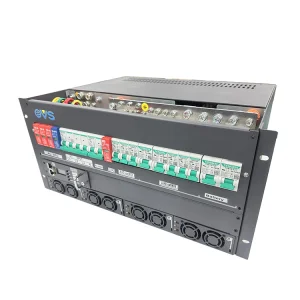
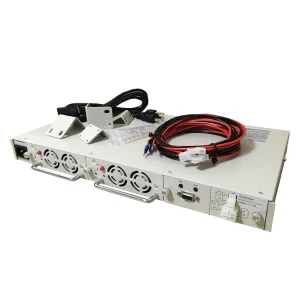
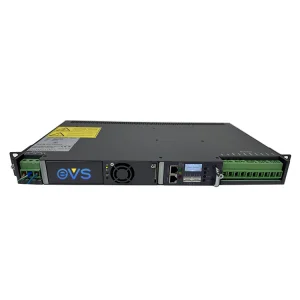
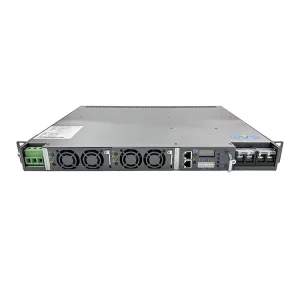
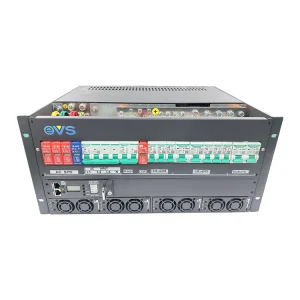
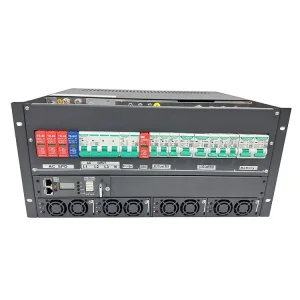
Engineered for extreme reliability, our hot-swappable AC-DC and DC-DC rectifier shelves deliver continuous power to critical telecommunication networks globally.
As 5G stand-alone networks, Open RAN deployments, and edge computing nodes expand exponentially, telecom infrastructure planners encounter unprecedented power distribution problems. Historically, telecommunication infrastructure has standardized on -48V DC power distribution. This choice minimizes galvanic corrosion in wet underground cabling and ensures safety during high-frequency maintenance. However, modern multi-band LTE and 5G active antenna systems (AAS) require higher density, modular scalability, and adaptive thermal tolerances.
Strategic sourcing directors from telecom operators, tower companies (TowerCos), and system integrators must select power supply manufacturers that deliver not just low cost, but high energy density (W/inch³), high-efficiency metrics (up to 95.5%+), and intelligent battery health management (LVD/PLVD battery protection). The selection of a competent 48V Telecom Power System Manufacturer guarantees that critical sites will operate continuously even during severe grid failures or localized outages.
By using modern semiconductor topologies (SiC and advanced gallium nitride rectifiers), EVS power systems achieve up to 95.5% efficiency. This reduces thermal dissipation within the cabinets, directly lowering the overall Power Usage Effectiveness (PUE) at base stations.
Continuous network uptime requires active-sharing modular rectifiers. If a single module fails, the remaining hot-swappable rectifiers dynamically absorb the load increment without disrupting network operations.
Using SNMP, Modbus RTU, and integrated web interfaces, operators can monitor input voltages, DC loads, charging states, and alarm histories remotely, reducing the need for costly site visits.
Telecom infrastructure is deployed in diverse and challenging environments. EVS Powers provides robust solutions designed specifically for three primary macro scenarios:
In locations with unreliable grid infrastructure, our telecom power systems integrate seamlessly with solar PV arrays and backup wind power. Standard features like dual Low Voltage Disconnects (LVD) preserve communication signals by isolating battery charging paths and disconnecting non-critical loads during extended outages.
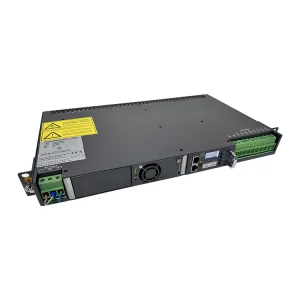
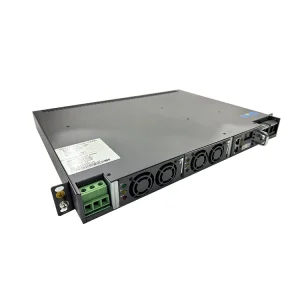
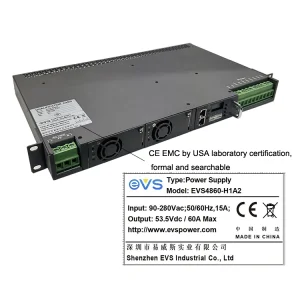
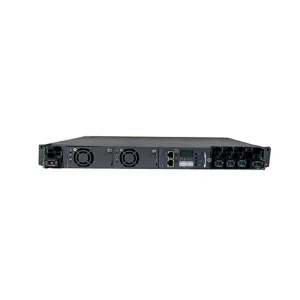
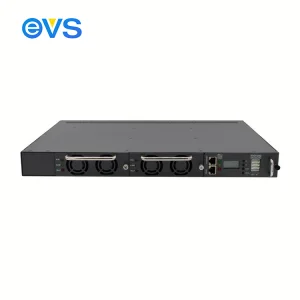
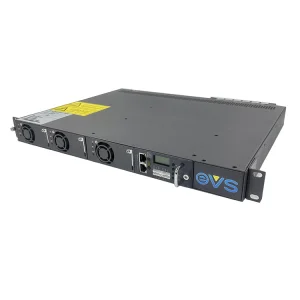
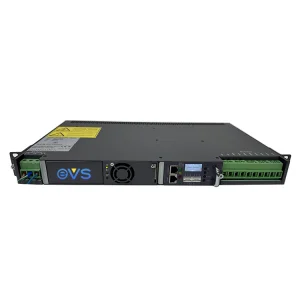
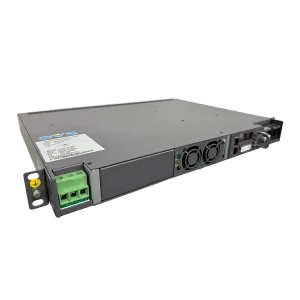
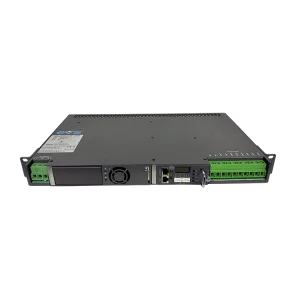
Space in urban street cabinets is highly limited. The 1U embedded design of the EVS4860-H1A2 or EVS48100-H1B1 occupies minimal vertical space in standard 19-inch racks. This layout leaves more room for optical transmission gear, remote radio heads (RRH), and edge-processing switches.
Guangzhou EVS Powers Co., Ltd. is located in the international trade hub of Guangzhou. Our company is a professional manufacturer of switching power supplies, DC power systems, power supply units, DC-DC converters, power inverters, and custom OEM/ODM electronics. We prioritize customer satisfaction, focus on product quality as our developmental foundation, and leverage cost-saving strategies to deliver competitive advantages.
With an excellent credit standing and premier services, we have built a solid reputation and established long-term partnerships globally, with clients across Europe, South and North America, Australia, the Middle East, and Southeast Asia. Built on good faith, we share our technical expertise and operational experience with partners to ensure mutual success. We deliver high quality, reliable service, and competitive pricing for both existing and new clients.
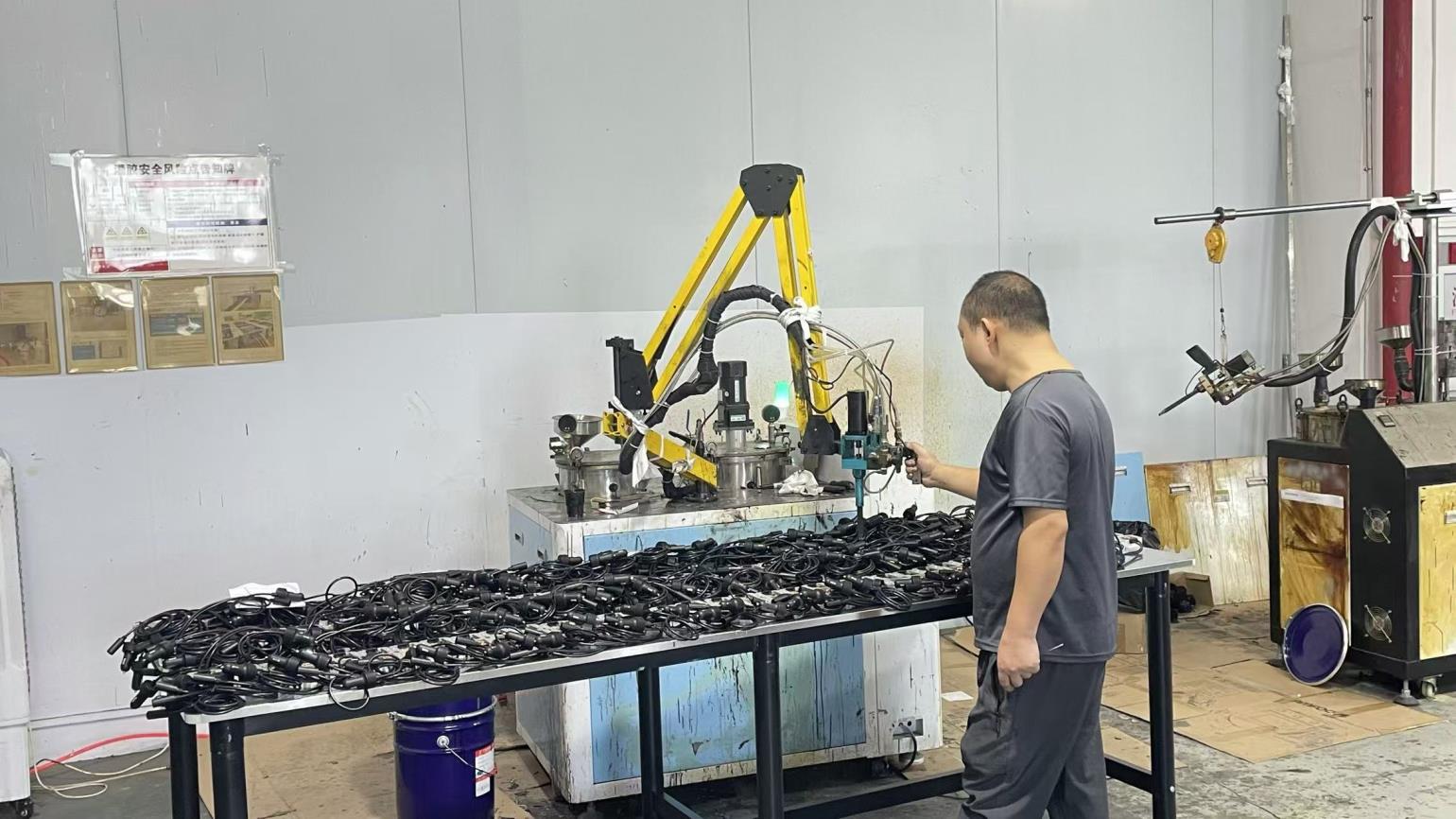
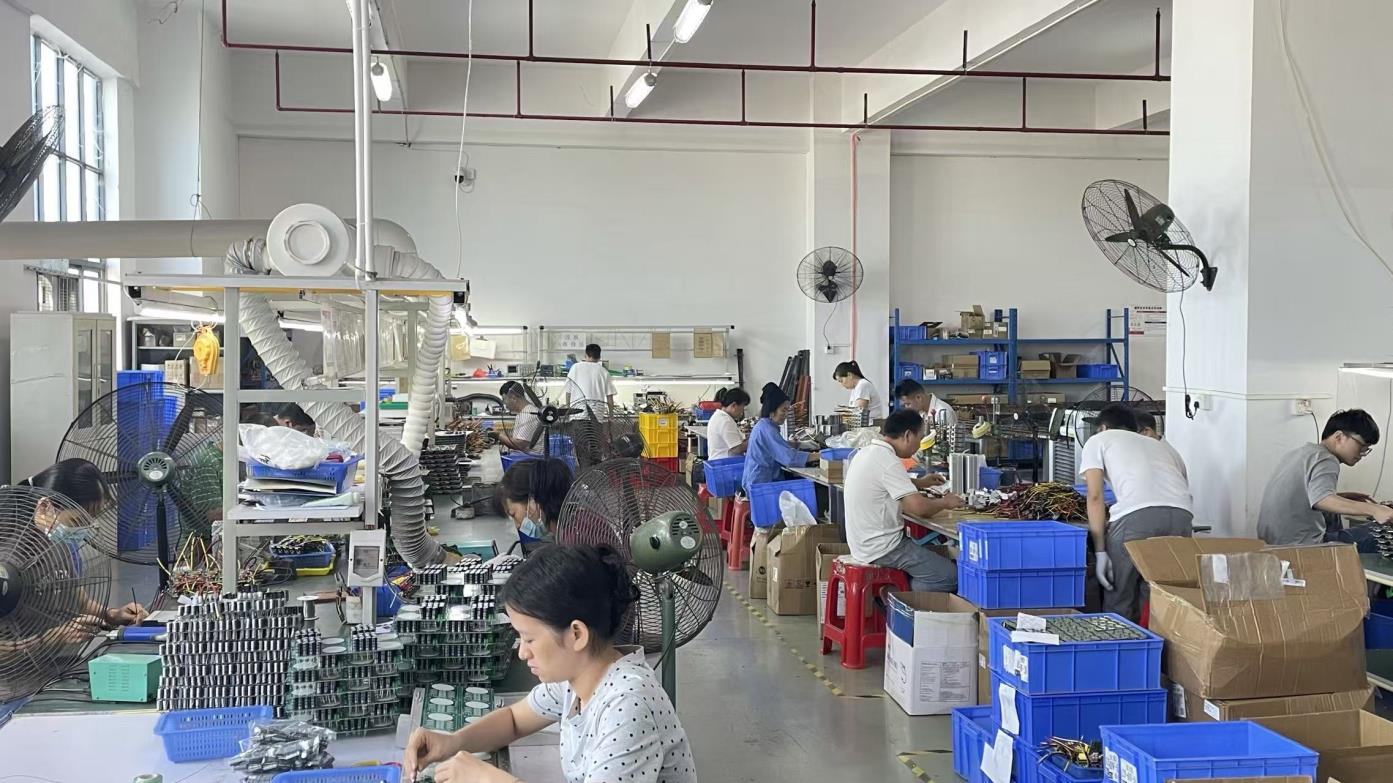
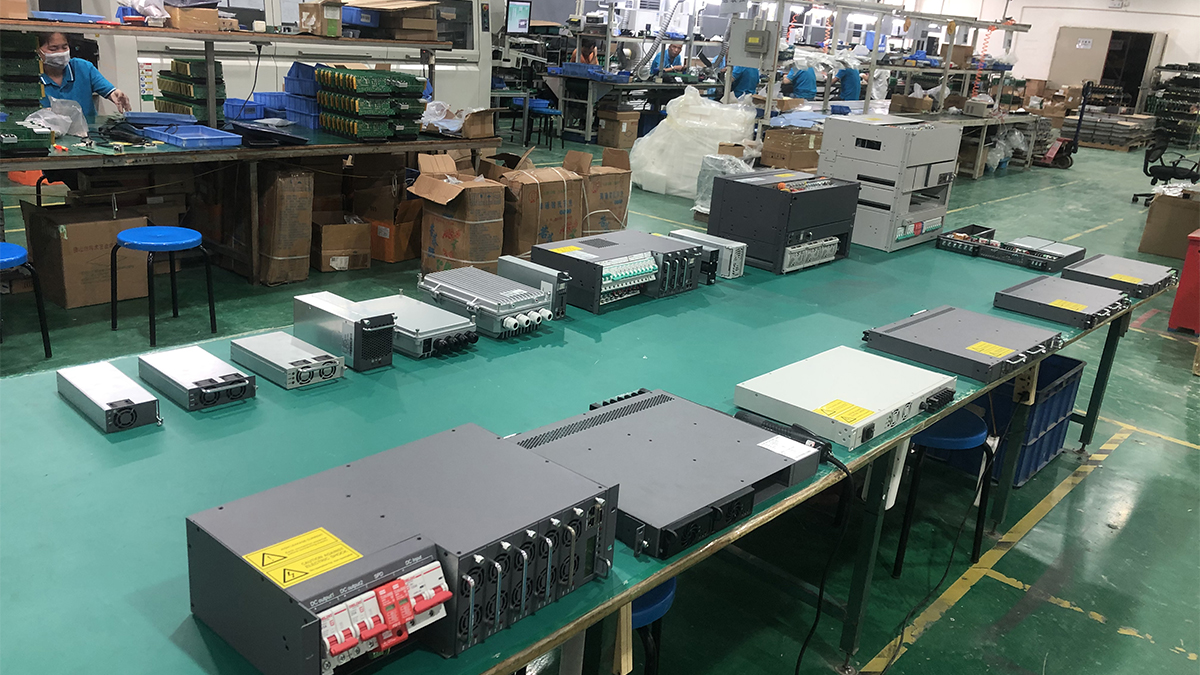 EVS Powers Main Manufacturing Facility
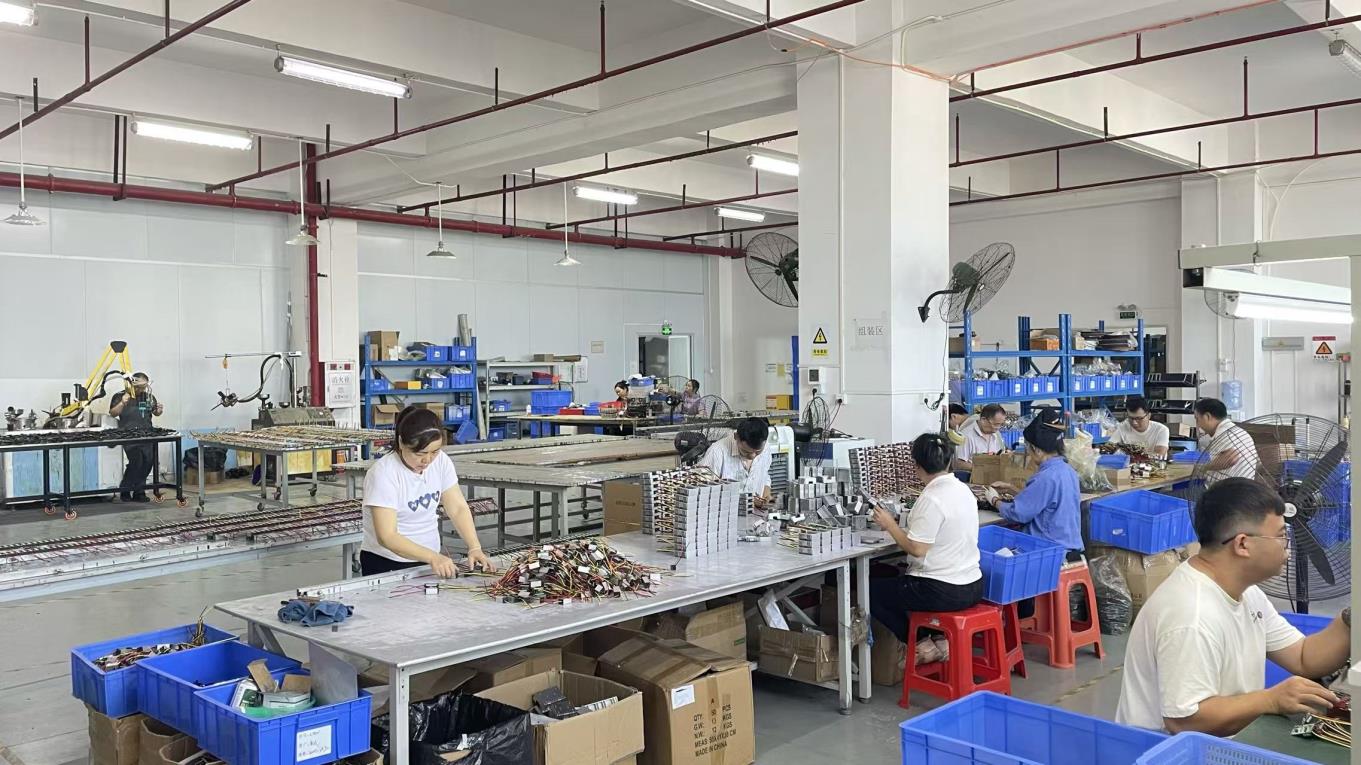
EVS Powers maintains control over every production stage. This systematic approach ensures each telecom rectifier module meets rigorous performance and reliability standards.
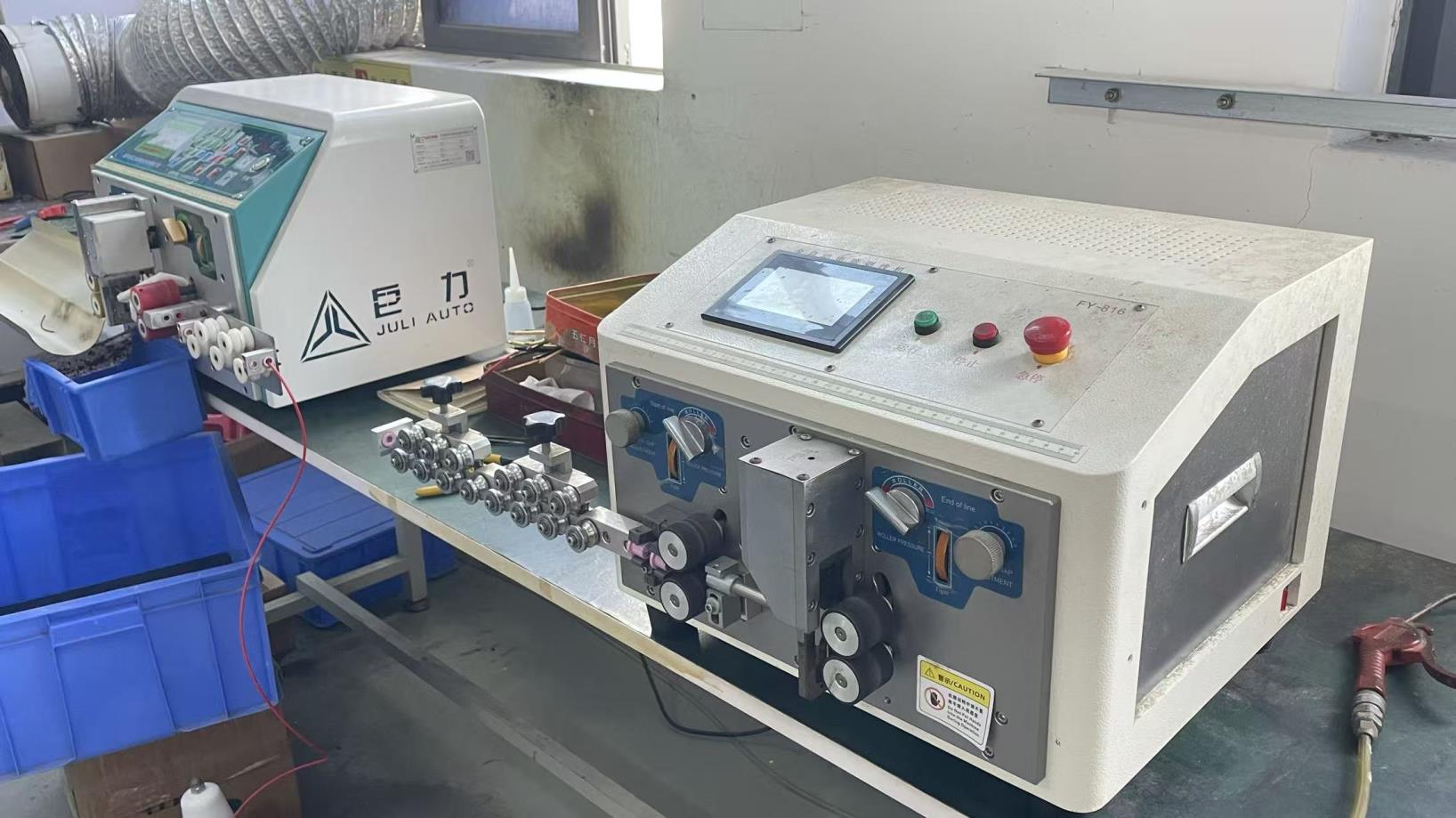

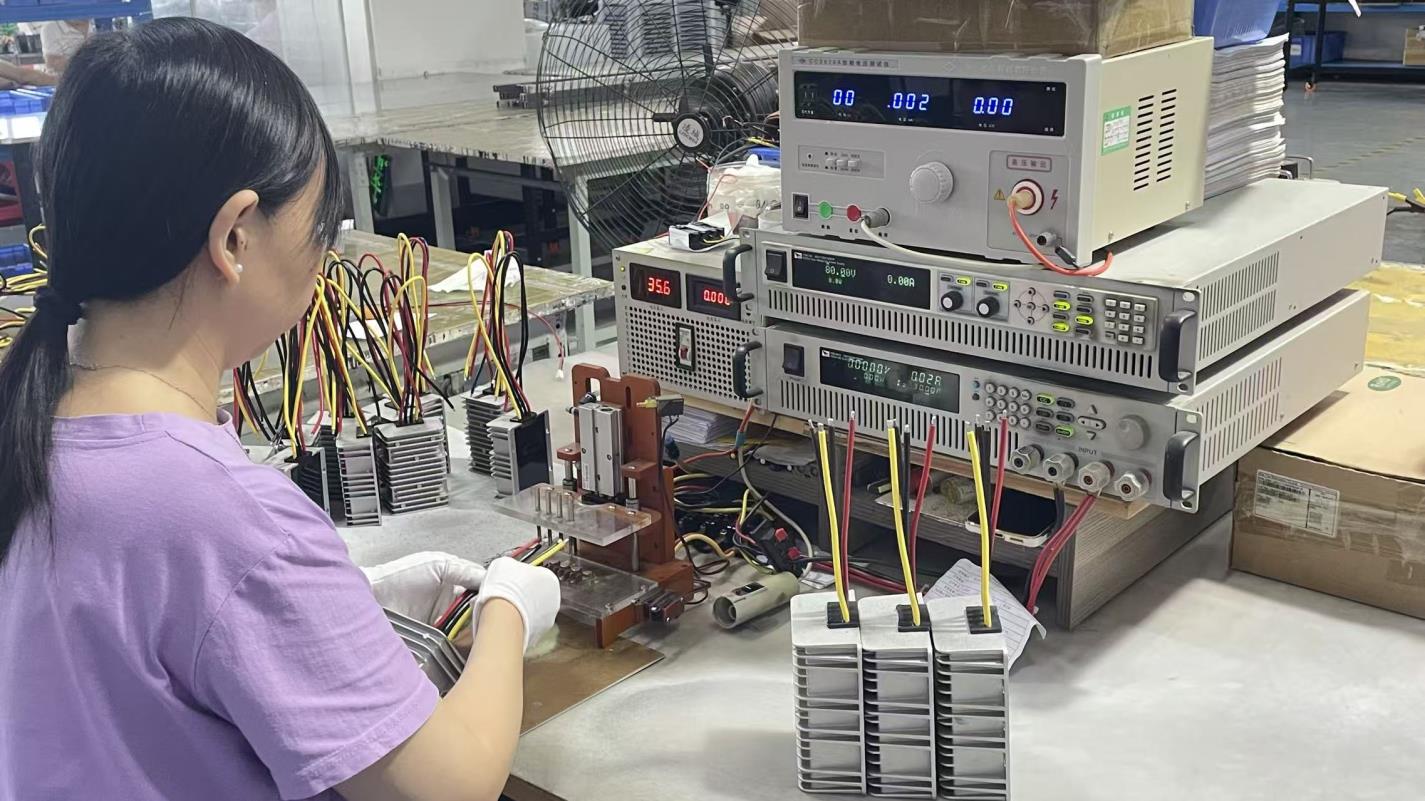
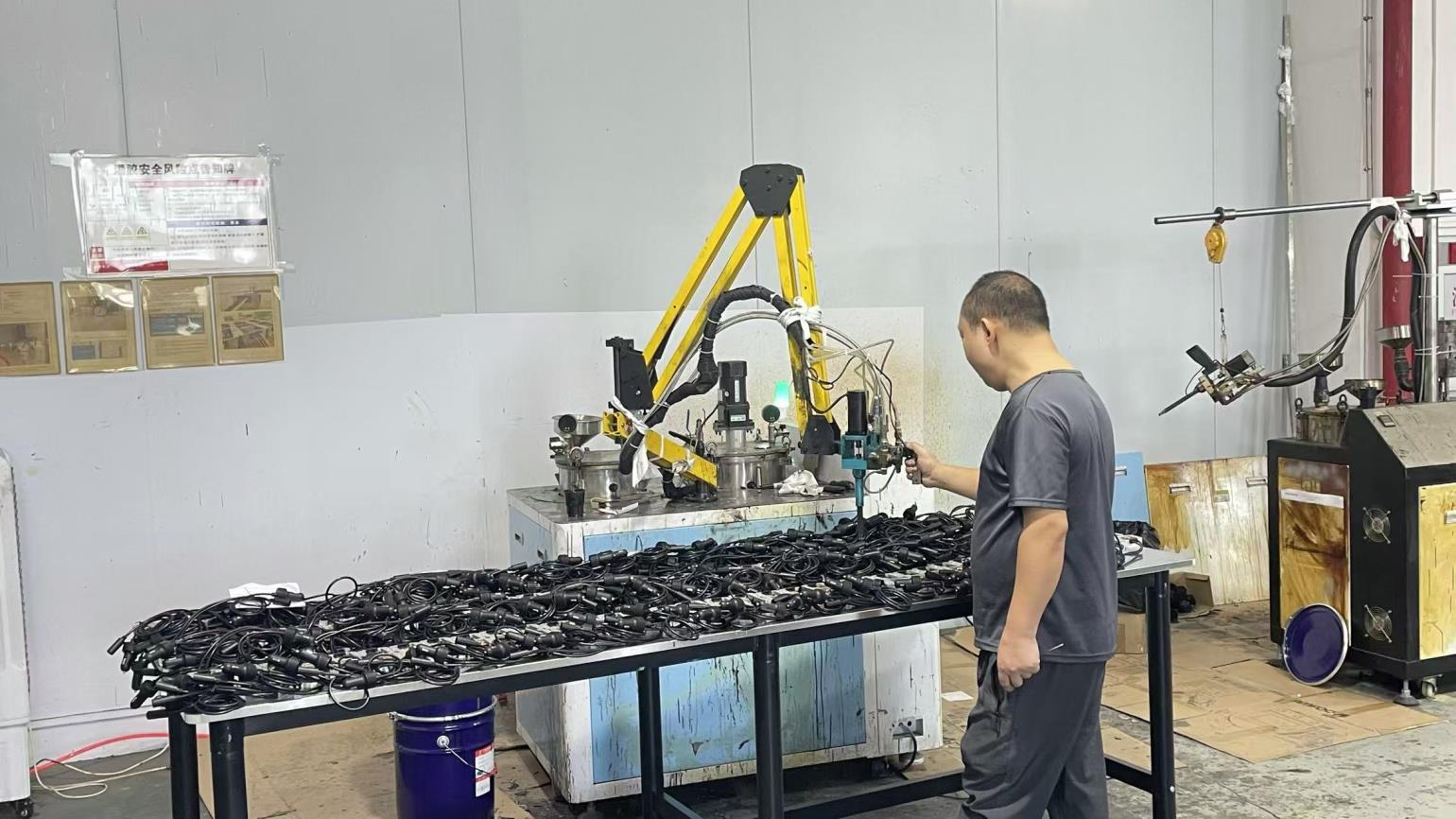
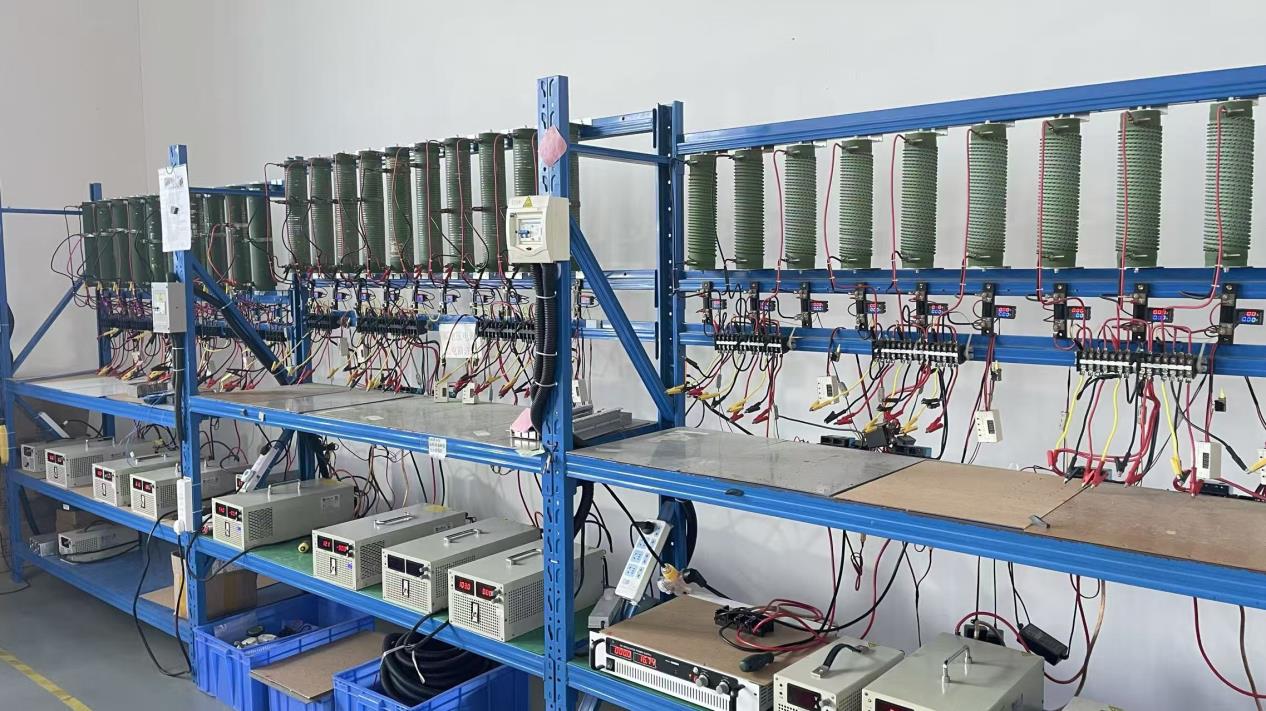

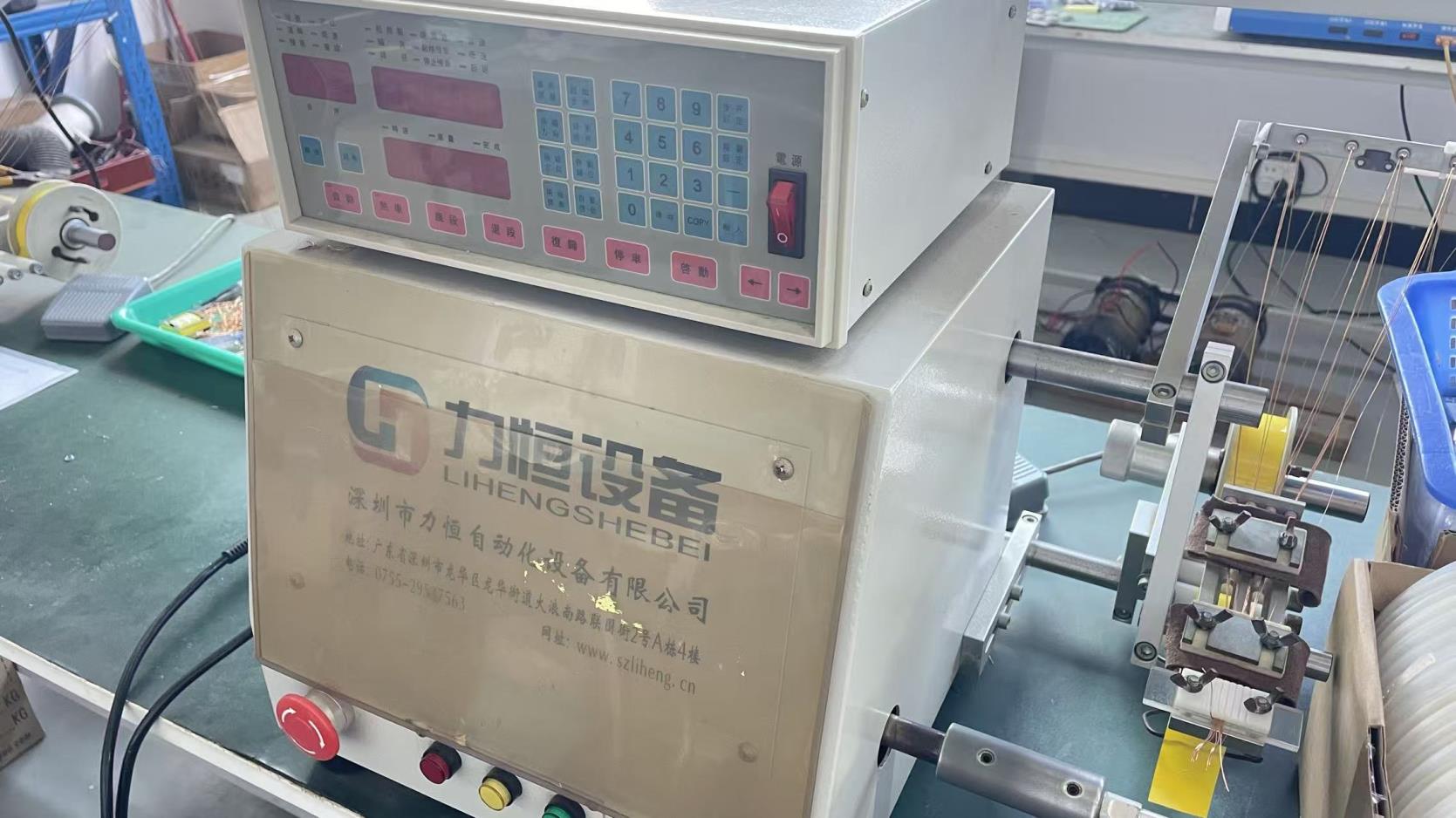
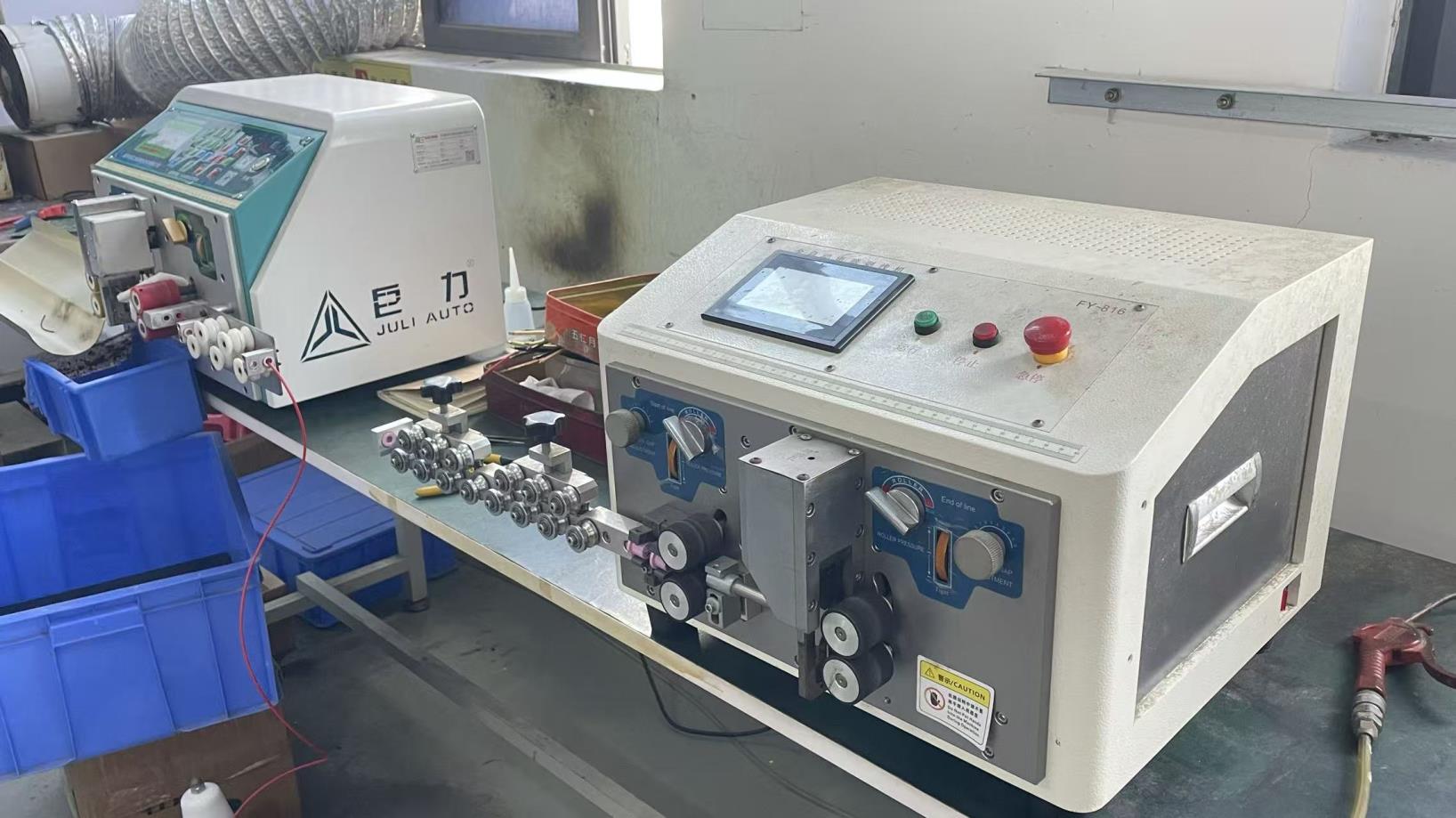


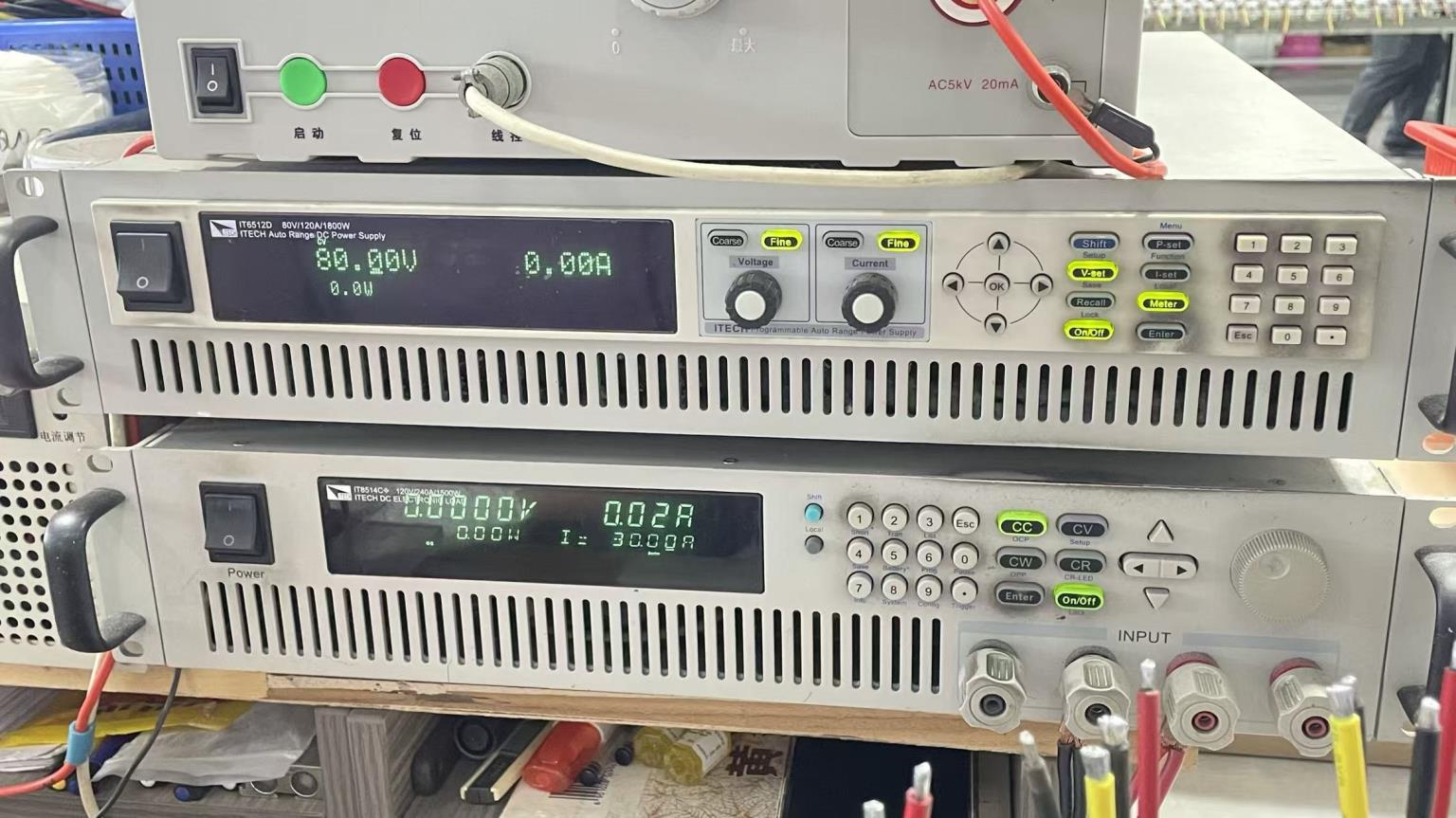
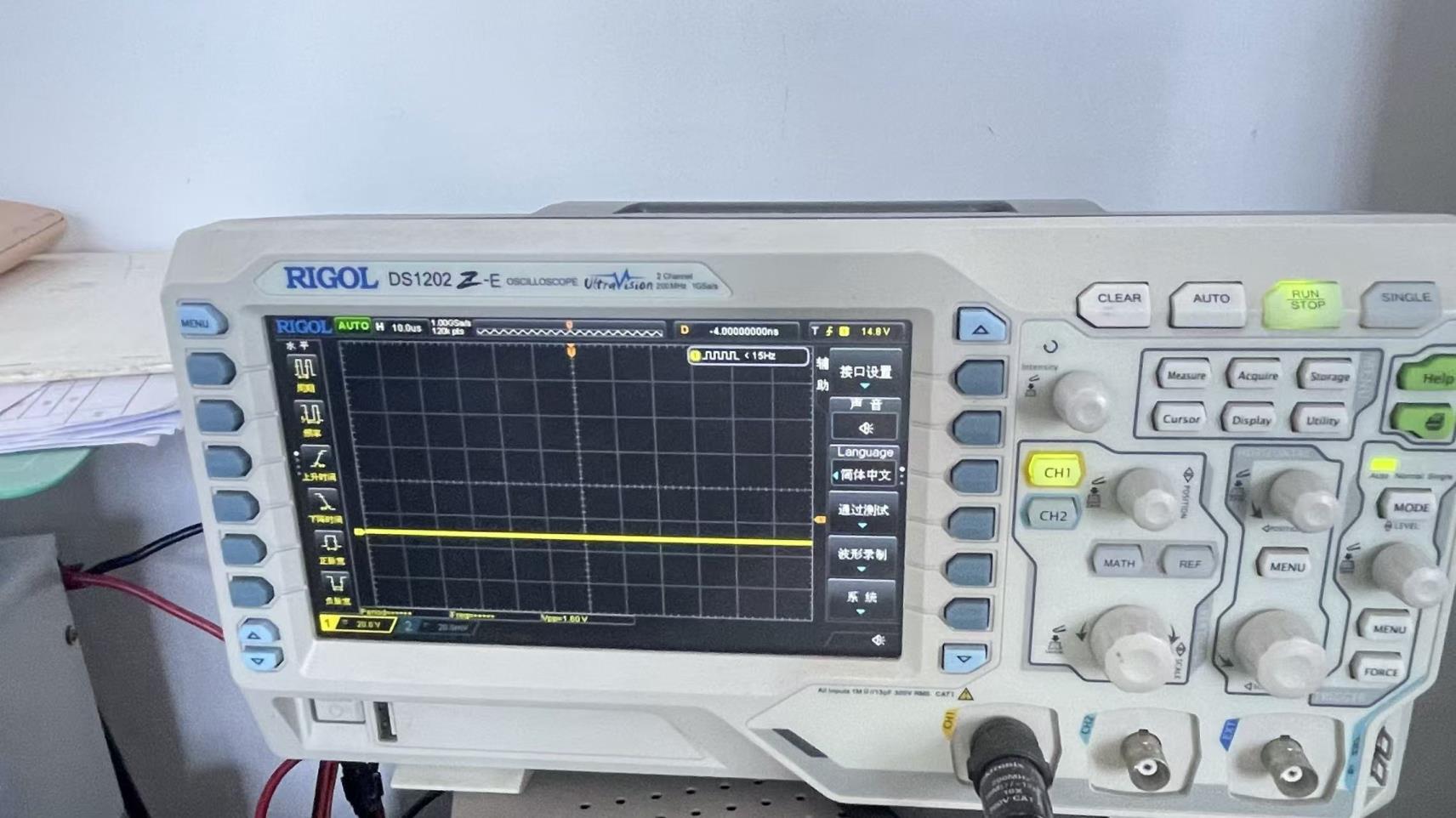
EVS Powers uses advanced diagnostics to ensure each rectifier shelf and switching module is fully calibrated before shipping.
 EVS QC Laboratory Testing Suite
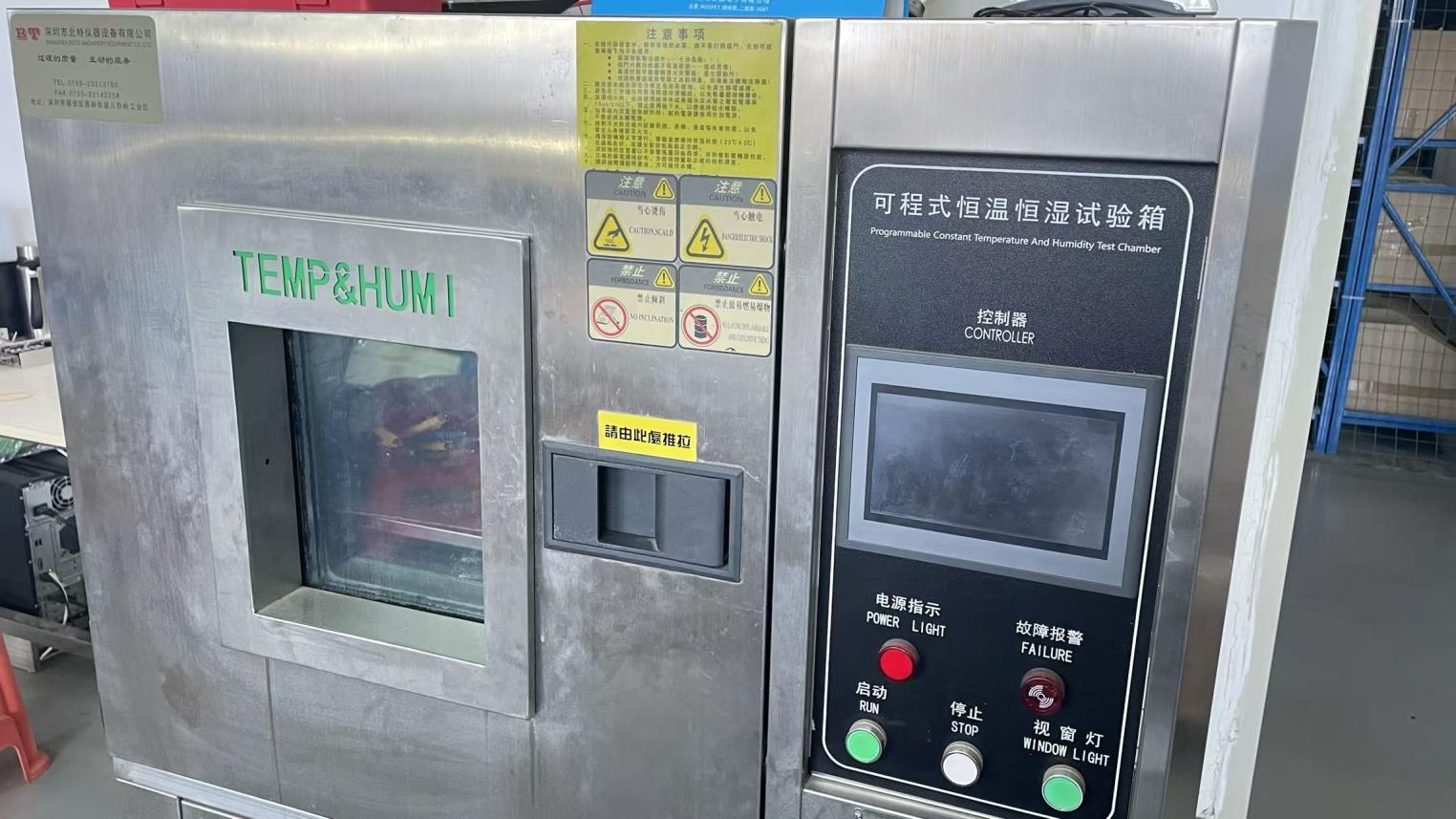
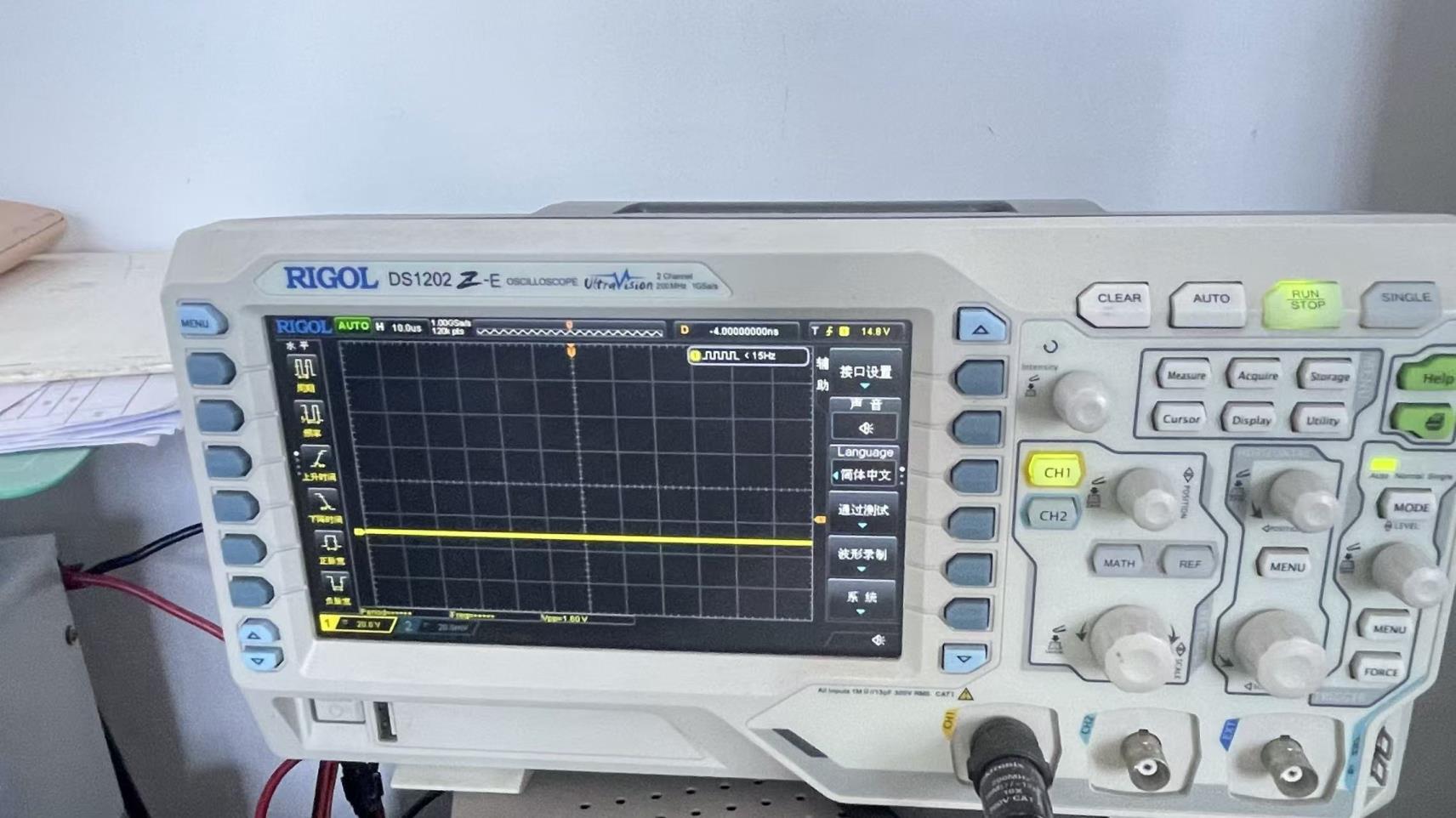
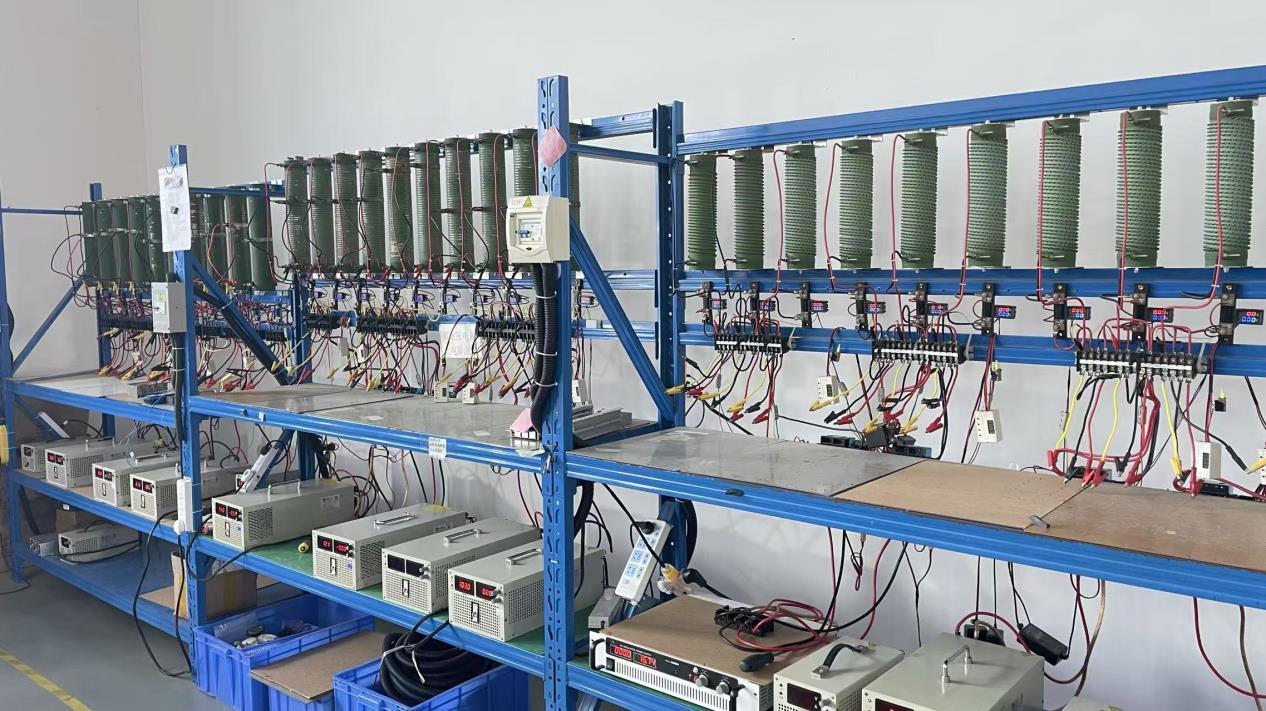

As telecom operators look toward 6G development and hyper-dense deployments, EVS Powers is continuously upgrading its technical framework. High-frequency resonant topology design remains our core research path, which reduces system dimensions while maintaining high electrical insulation tolerances.
| Feature Parameter | Current Industry Standard (Gen 3) | EVS Powers Architecture (Gen 4) | Next-Gen Target (2026-2027) |
|---|---|---|---|
| Power Conversion Density | 12W to 18W / cubic inch | 25.5W / cubic inch | > 35W / cubic inch (GaN Intensive) |
| Conversion Efficiency | 91% - 93.5% | 95.0% - 95.5% | 97.5% (Wide-bandgap hybrid switching) |
| Operational Temperature Range | -20°C to +50°C | -40°C to +75°C (Smart derating) | -45°C to +85°C (Extreme conduction) |
| Telemetry System Protocols | Basic Dry Contacts / Modbus | Modbus RTU / SNMP v2c / Web-browser GUI | SNMP v3 / IPv6 Unified IoT Cloud Integration |
To operate reliably in telecom towers worldwide, power systems must meet strict international standards. EVS Powers ensures that our product families conform to globally recognized testing protocols. This structural compliance reduces integration issues and speeds up localized approvals for operators.
Our systems conform to standard CE electrical safety guidelines and EMC Directive limits. They are tested to ensure low radiated and conducted emissions, preventing interference with surrounding transmission equipment.
All rectifiers and distribution frames are manufactured using lead-free processes. We comply with RoHS directives, minimizing environmental impact throughout the product lifecycle.
Every telecom rectifier undergoes factory AC withstand voltage testing and isolation barrier checks. These procedures protect connected devices and operator personnel from high-voltage surges.
Key technical specifications, wiring configurations, and troubleshooting information for 48V telecom rectifiers.
Historically, standardizing on a negative charge relative to ground prevents galvanic corrosion in wet underground cabling. Using a -48V DC configuration prevents positive metal ions from plating onto connections and degrading wires. Additionally, 48V is below the threshold for safe touch limits, reducing hazards during live-line hot-swapping.
Modular systems allow scaling in N+1 configurations. If one module experiences a fault, it can be swapped out without interrupting power to the connected loads. Active load sharing balances current draw across all active modules to extend their operational lifespan.
Our system platforms include embedded controllers that support SNMP (Simple Network Management Protocol) and Modbus RTU. Operators can remotely monitor system voltage, load demand, battery charging parameters, temperature status, and fault alarms using standard web-based dashboards.
Yes. Our manufacturing facilities in Guangzhou feature winding, plug-in, and automated soldering equipment, allowing us to customize input/output configurations, chassis dimensions, and power distribution options to meet your project specifications.
Each rectifier is equipped with built-in safety protections, including over-temperature shutdown, input over/under-voltage protection, output current-limiting, and short-circuit protection. Dual Low Voltage Disconnect (LVD) configurations also prevent damaging battery banks through over-discharge.
Our systems are designed to operate efficiently up to +50°C. Above this threshold, smart derating protects internal components, allowing safe operation up to +75°C without compromising safety.
Explore our larger capacity sub-racks, high-output embedded systems, and isolated DC-DC converters for heavy industrial applications.
 EVS Powers