Explore our top-performing modular DC rectifiers, battery chargers, and power converters engineered for heavy industrial, telecom, and utility applications.
An In-Depth Whitepaper on High-Frequency Switching Mode Rectification in Switchgear, Energy Systems, and Telecommunications.
Within substation environments, railway signaling networks, oil & gas installations, and modern telecommunication hubs, the reliability of DC power systems is non-negotiable. Typically operating at 110VDC or 125VDC, these infrastructure networks utilize centralized DC backup systems to energize protective relays, trip/close switchgears, command automated actuators, and guarantee continuous data transmissions. Standard AC grid power is prone to unexpected outages and surges; hence, a robust 110VDC electric rectifier serves as the primary gateway, converting alternating current (AC) to clean, regulated direct current (DC) while simultaneously keeping backup battery banks float-charged.
Modern electrical engineering has steadily shifted away from bulky thyristor-based linear rectifiers to High-Frequency Switch-Mode Power Supplies (SMPS). Standard thyristor rectifiers exhibit high output ripple, sluggish dynamic response, and low power factors. High-frequency digital rectifiers change this paradigm by incorporating Digital Signal Processors (DSP). A DSP control loop dynamically adjusts the switching frequencies in real time, regulating output voltage with millisecond-range response times to balance sudden load swings.
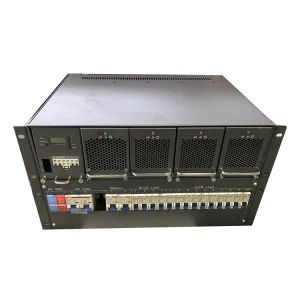
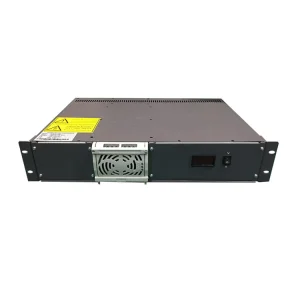
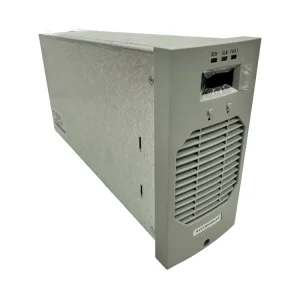
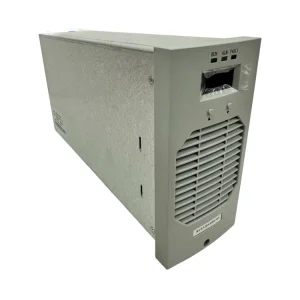
Furthermore, the implementation of resonant soft-switching technology (such as LLC resonant converters) allows the power switches (MOSFETs or IGBTs) to turn on at Zero Voltage (ZVS) or Zero Current (ZCS). By mitigating the overlapping voltage-current transitions during switching cycles, internal thermal stresses drop significantly, allowing modular units like the EVS RM1103000S-M to hit conversion efficiencies of 93.2% to 95%. Reduced heat emission translates directly to extended component lifespans, smaller heatsinks, and compact rack configurations (1U or 2U form factors).
Peak conversion efficiencies of 95% translate to thousands of dollars in annual energy savings. Lower heat output decreases the strain on cabinet cooling fans and facility air conditioning systems.
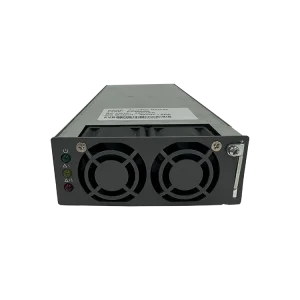
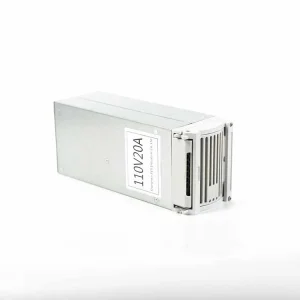
By arranging multiple 110V rectifier modules in parallel, systems guarantee continuous uptime. A failed module can be hot-swapped without interrupting the critical DC load.
Integrated microprocessors offer real-time parameter tracking (voltage, current, temperature) and push diagnostic alerts via Modbus RTU (RS485) or SNMP over Ethernet interfaces.
Guangzhou EVS Powers Co., Ltd. - Driving High-Frequency DC Power Systems Innovation globally.
Guangzhou EVS Powers Co., Ltd., is located in the international trade city of Guangzhou. Our Company, EVS, is a professional manufacturer of switching power supplies, DC power systems, power supply units, DC-DC converters, power inverter series power system products, and other OEM/ODM electronics products tailored to customer requests. We regard clients' satisfaction as our top task, products' quality as the basis of development, and cost-saving as our competitive advantage.
With an excellent credit standing and premier service, we have won a high reputation and long-term cooperation from customers domestically and globally, spanning Europe, South and North America, Australia, the Middle East, Southeast Asia, and other areas. Guided by good faith, we share our knowledge, technology, and experience with our partners to cooperate with more customers for mutual benefit and development. We do our best to provide good quality, the best service, and competitive prices for our old and new customers. With the development of the economy, we are looking forward to cooperating with you in the near future. Let's work together to create a new future of the electronic world. Please contact us now.
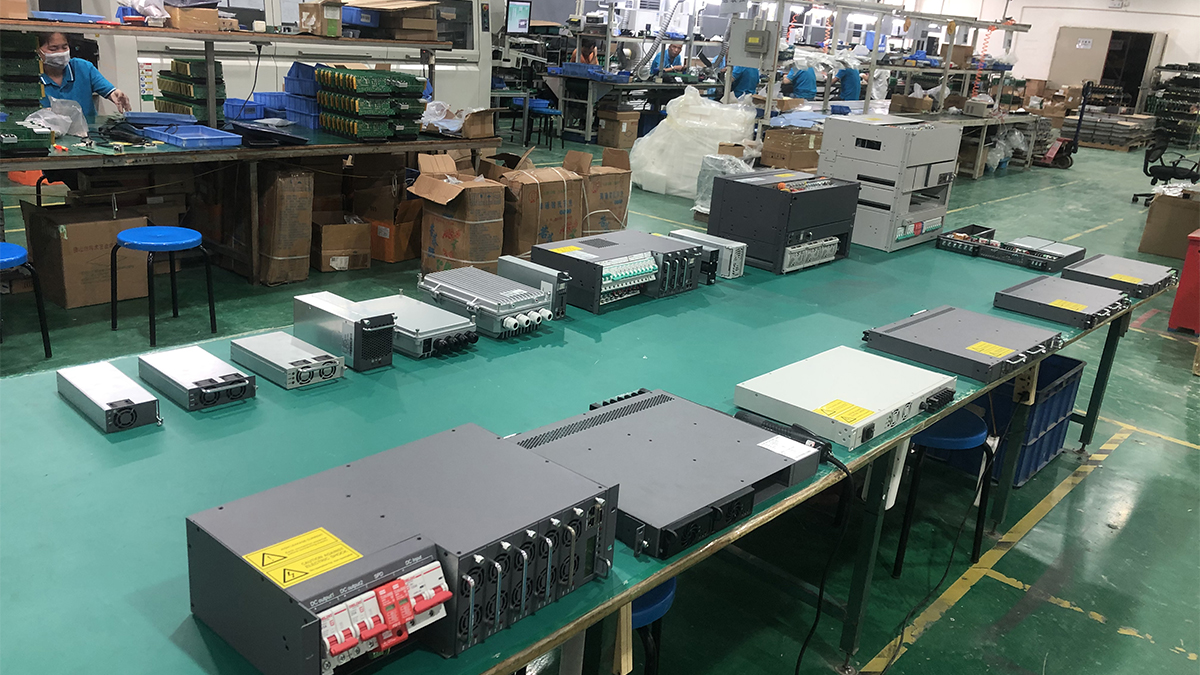
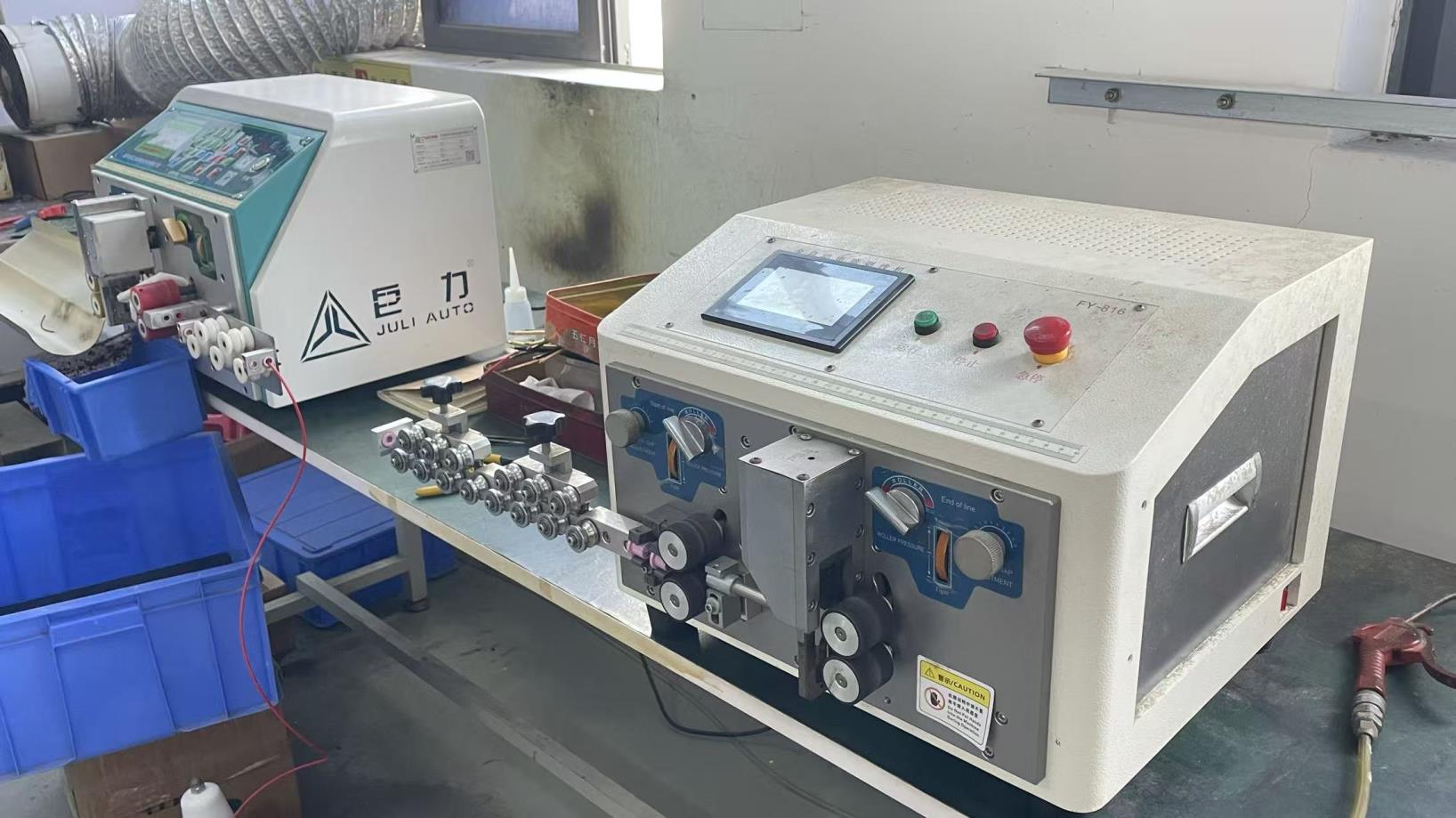
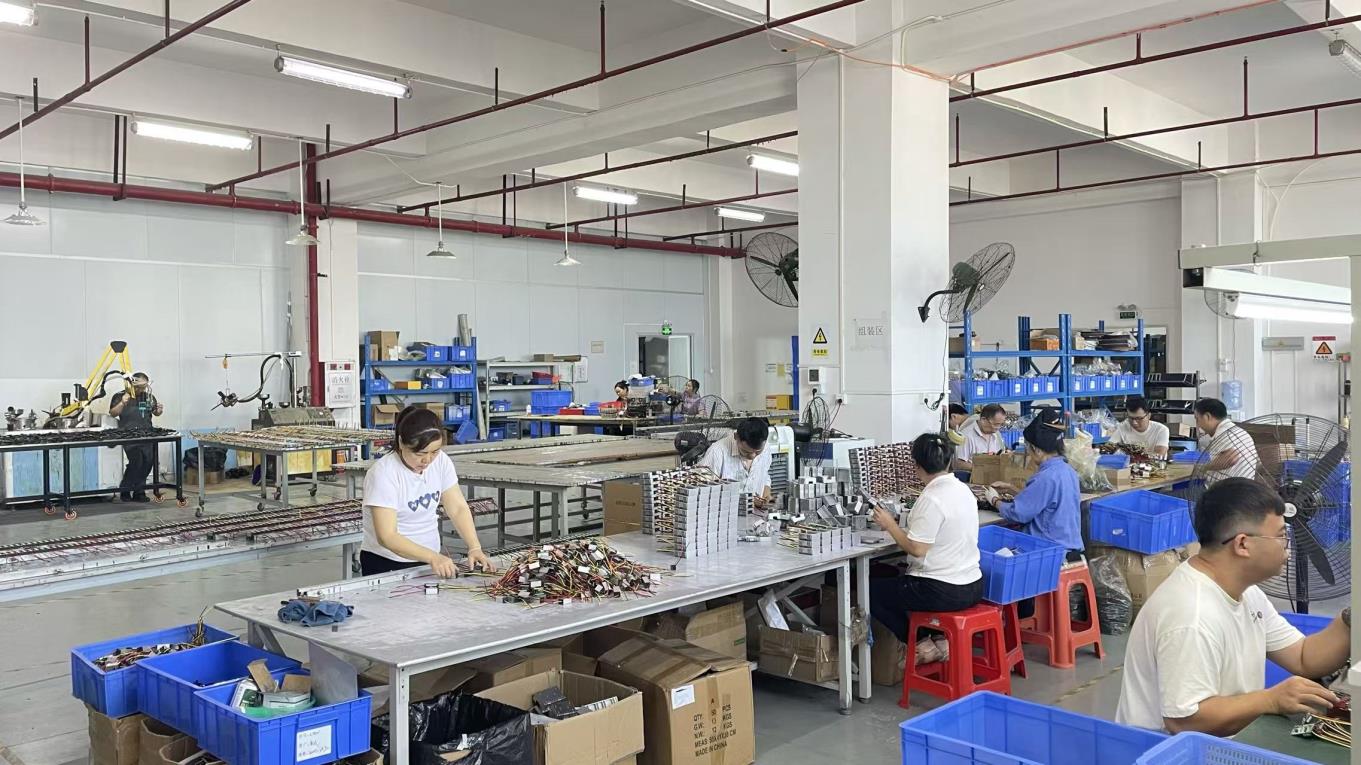
We achieve consistency and long-term reliability in our 110VDC charging modules through strict automation, advanced machinery, and systematic workflow controls.

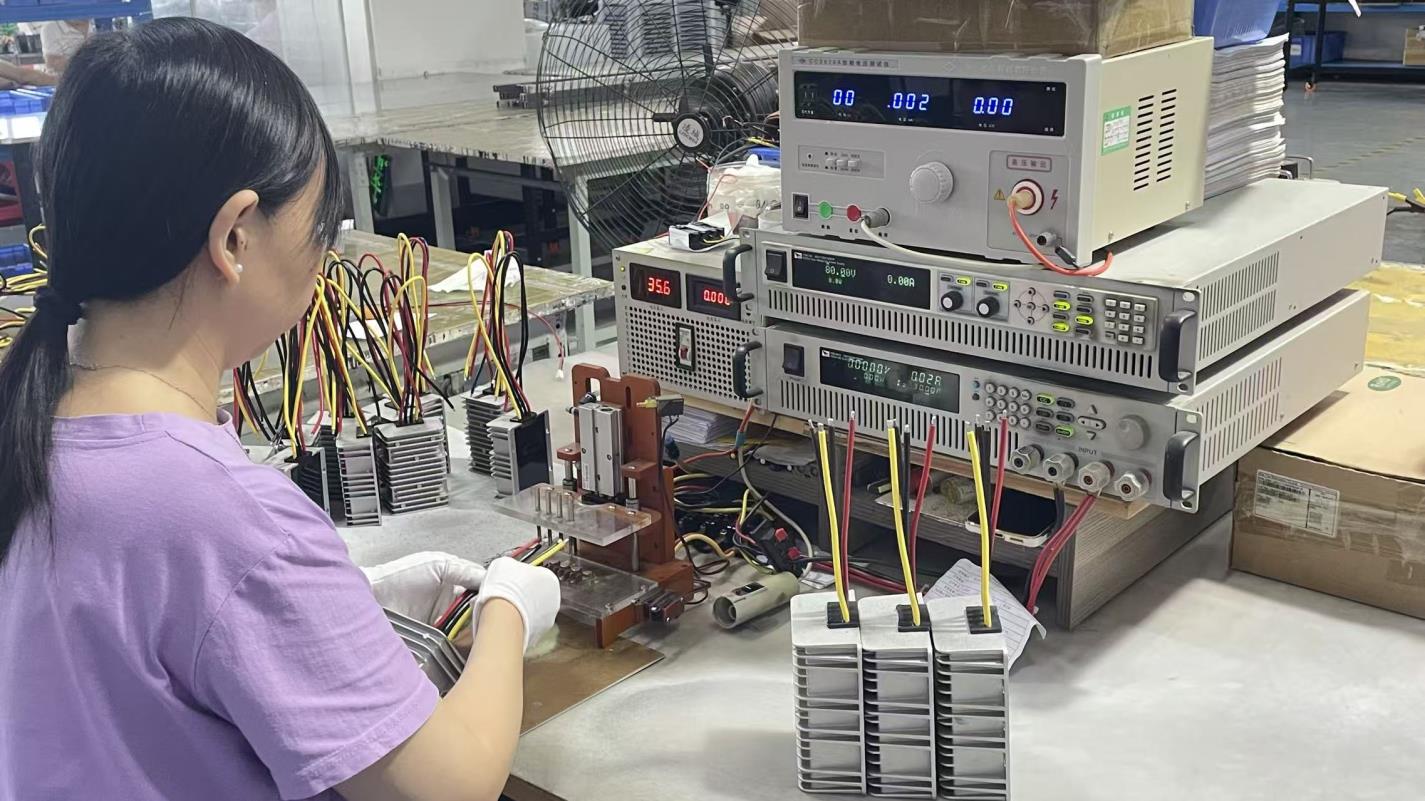
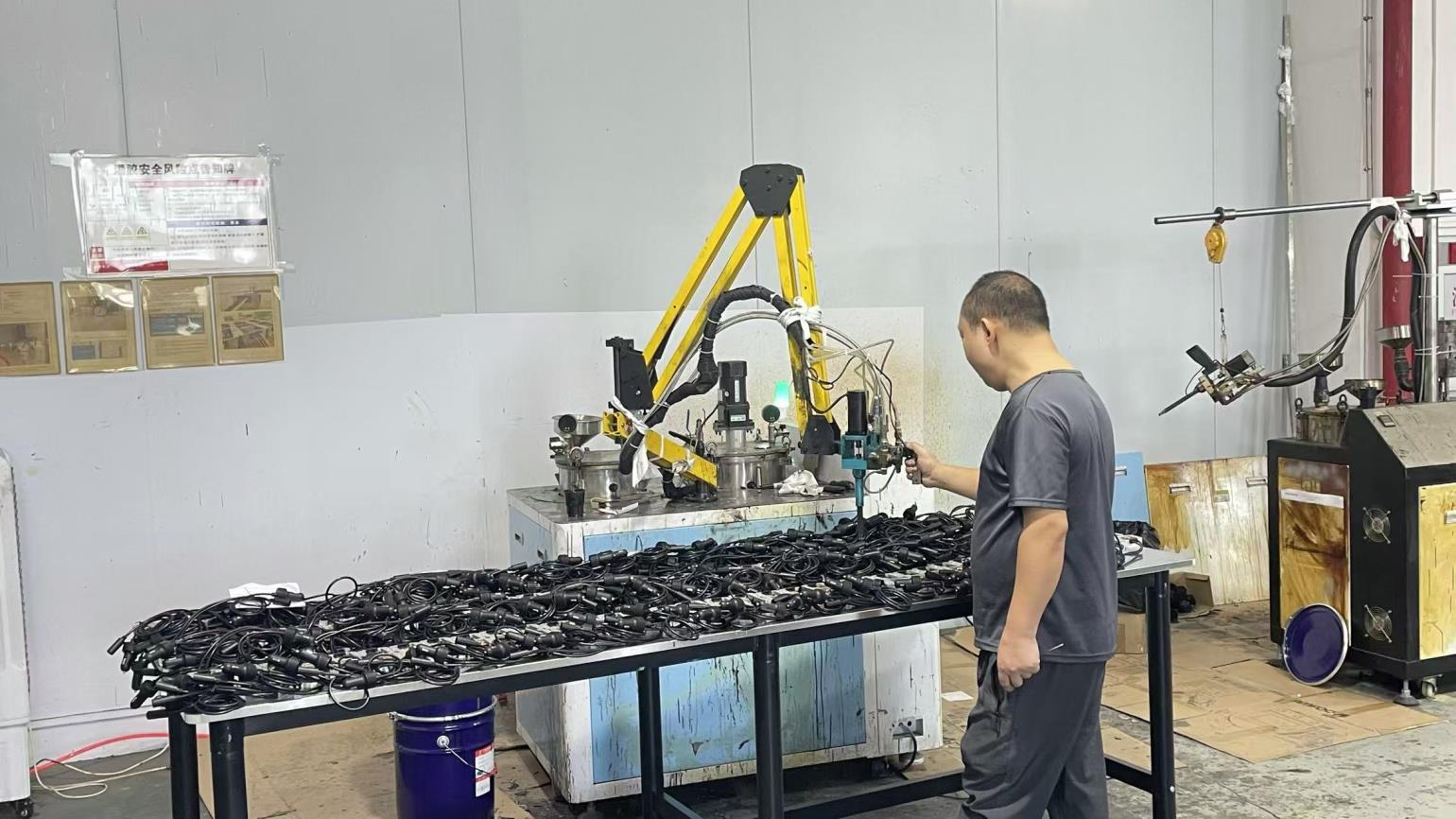
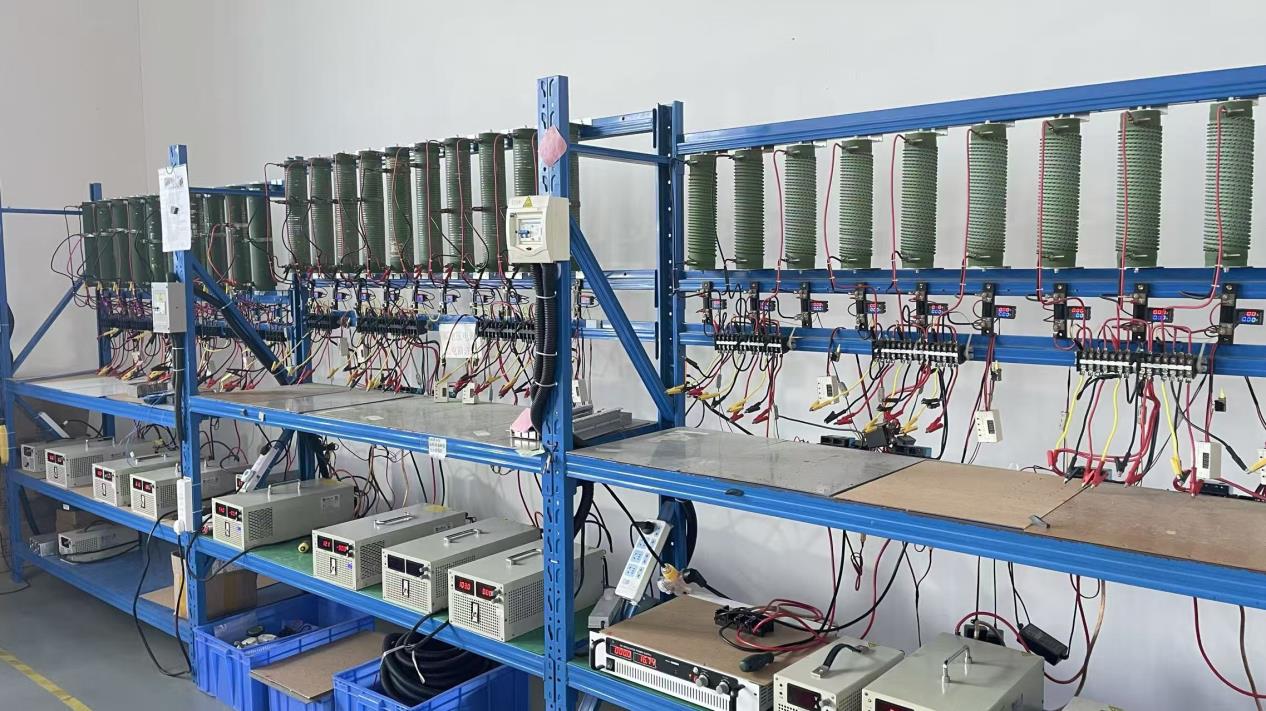

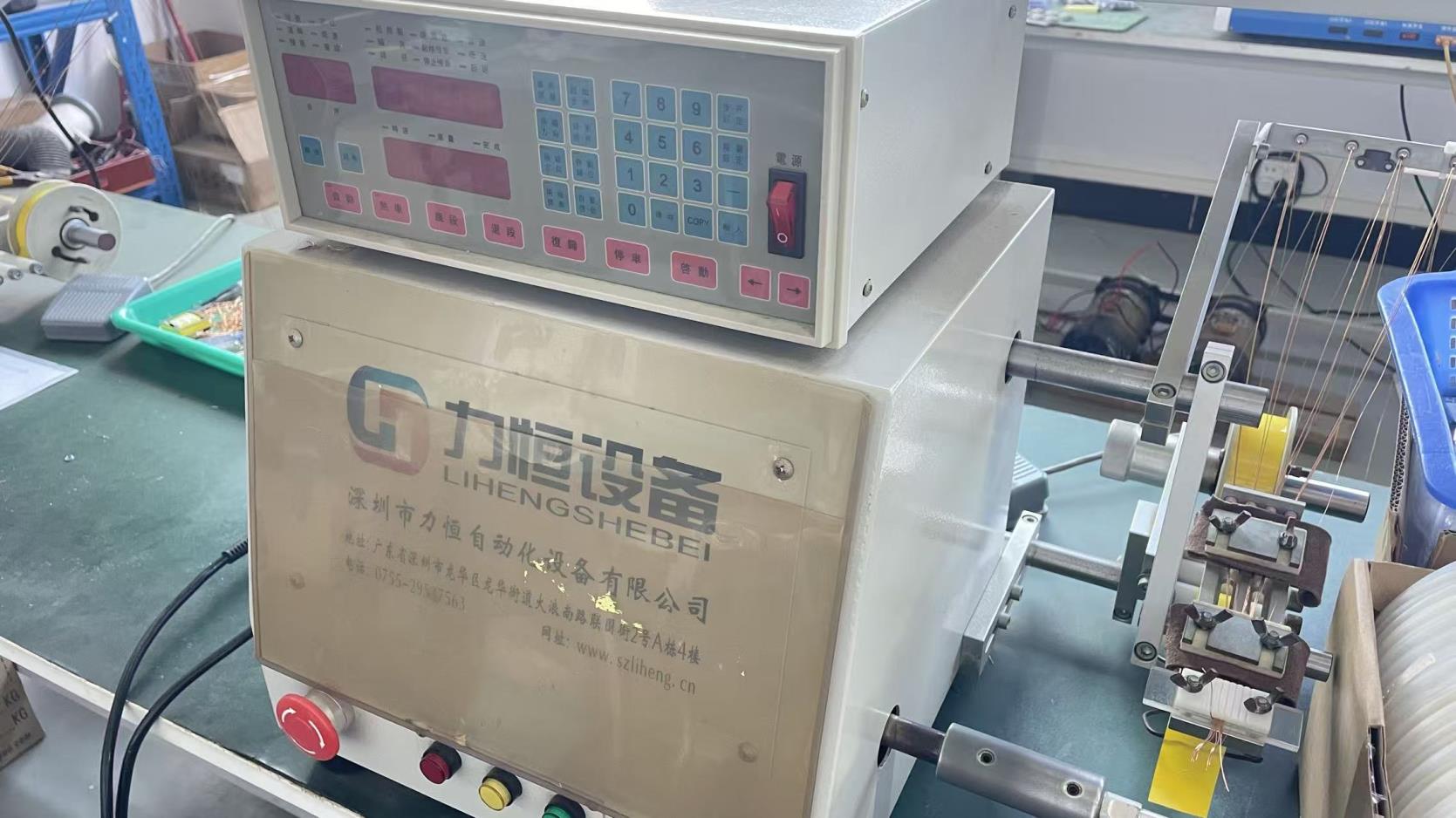
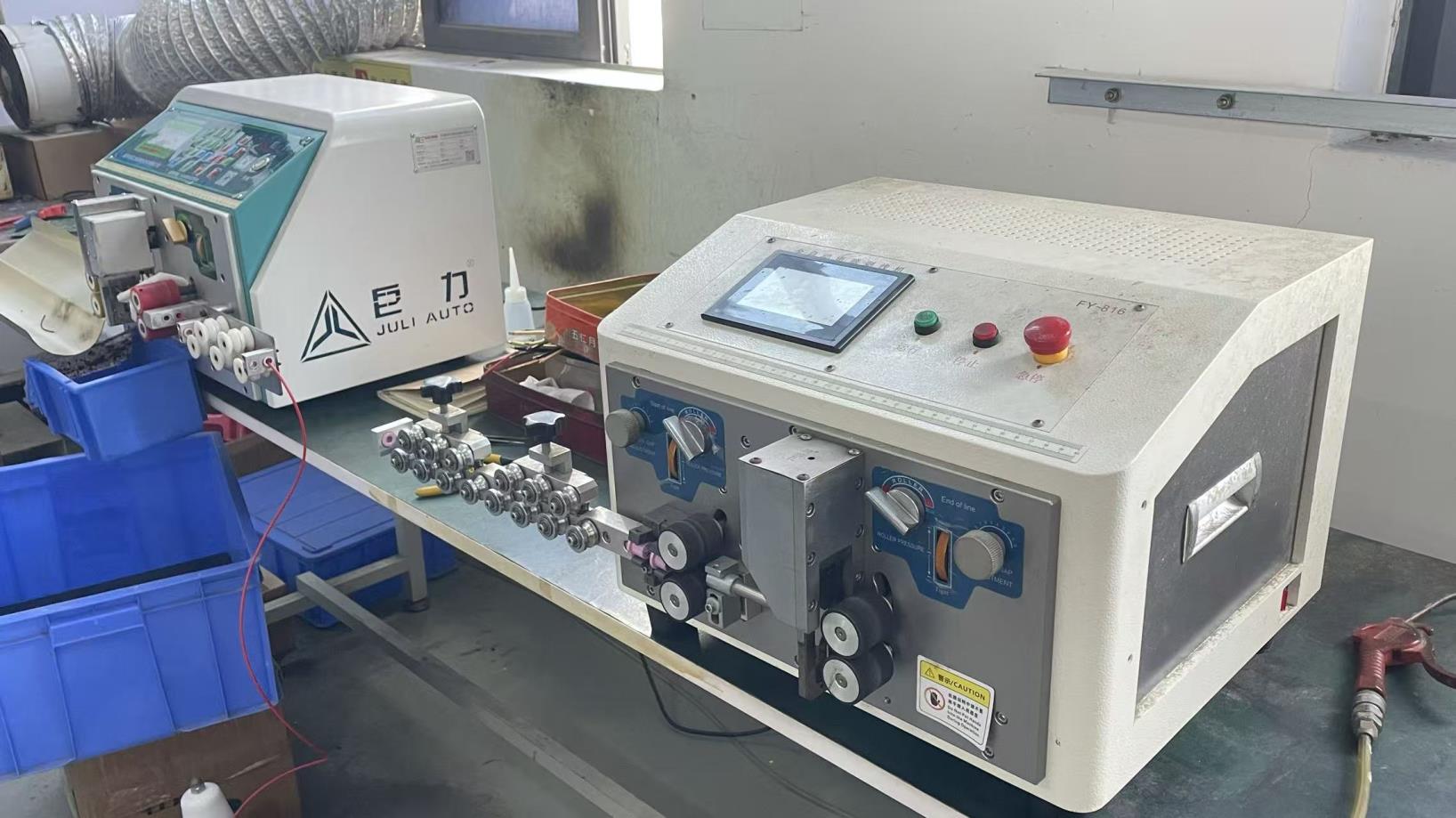


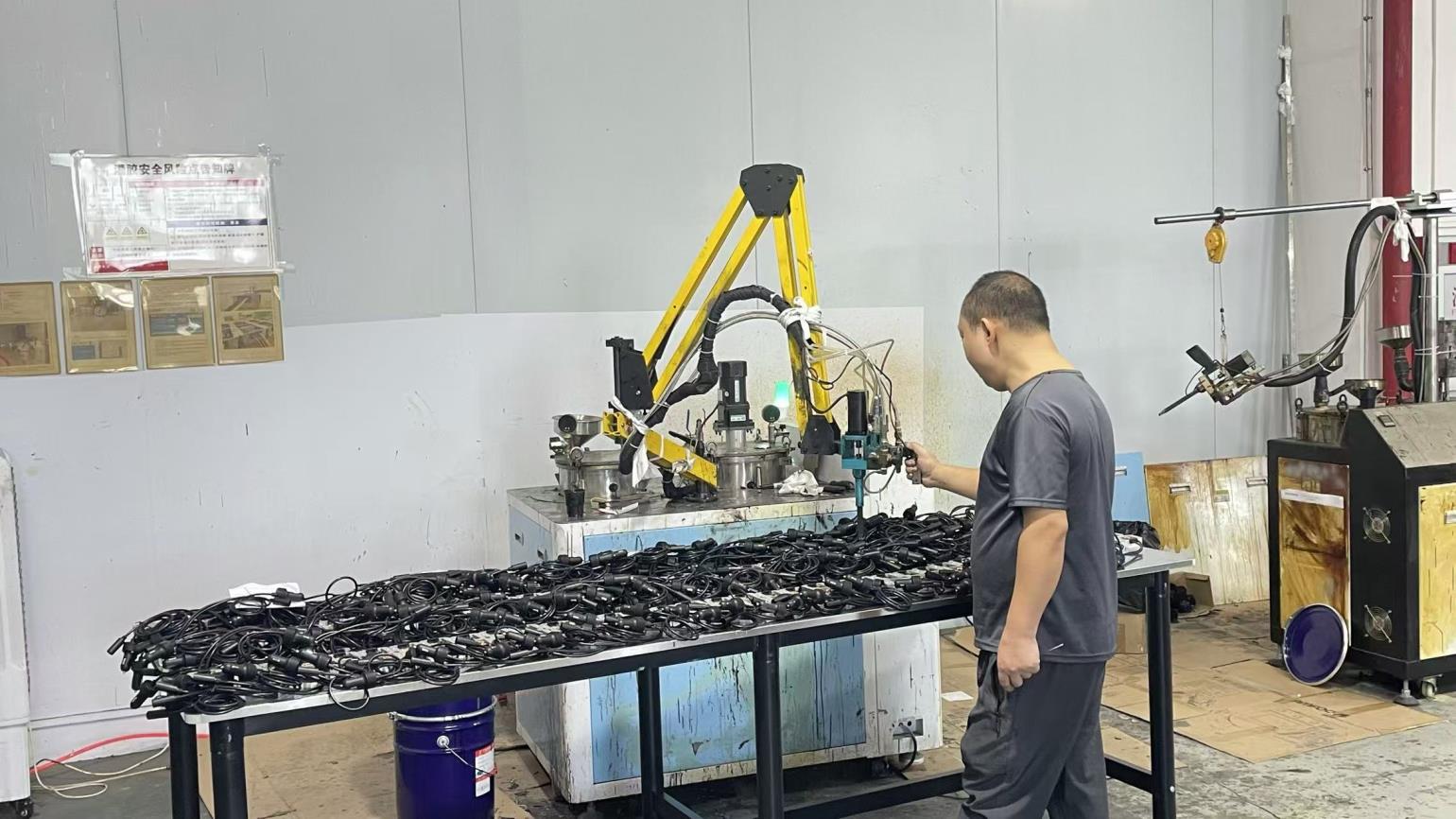
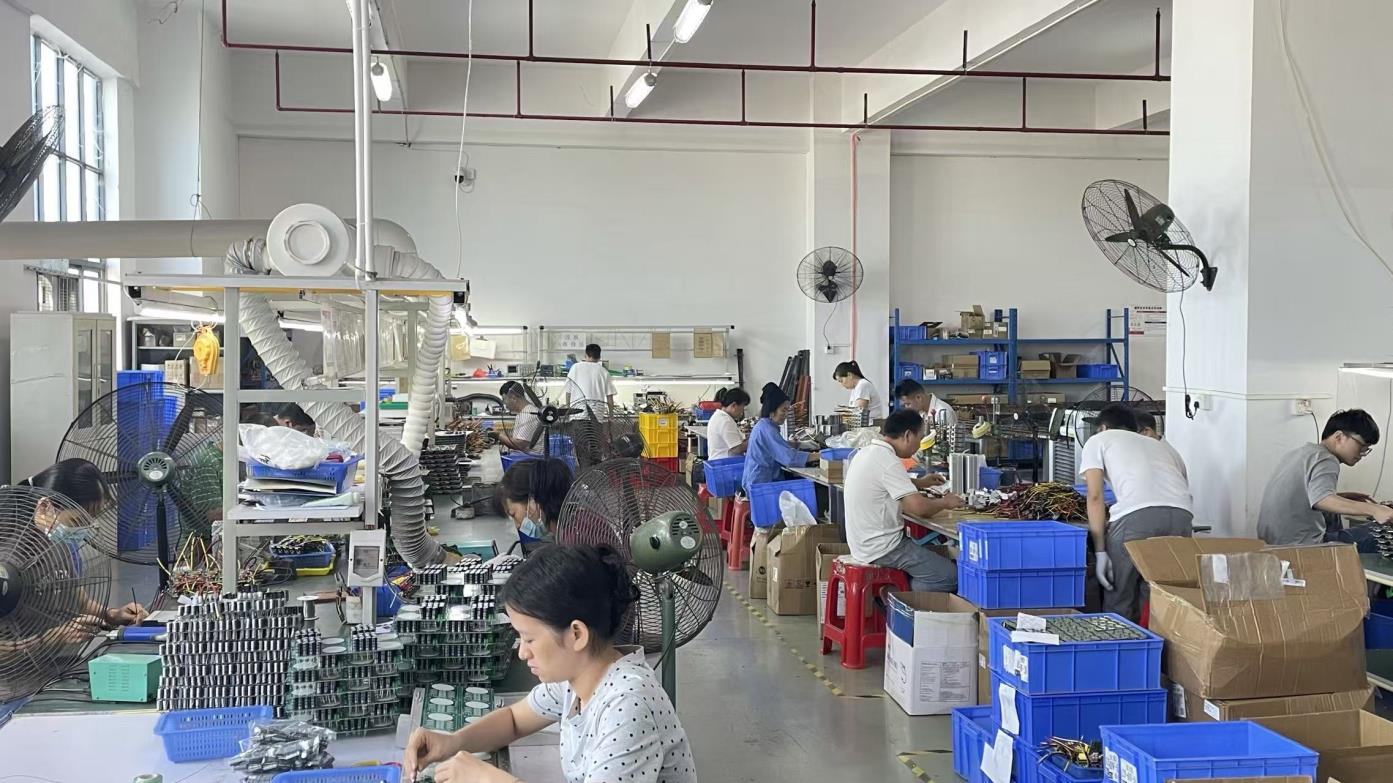
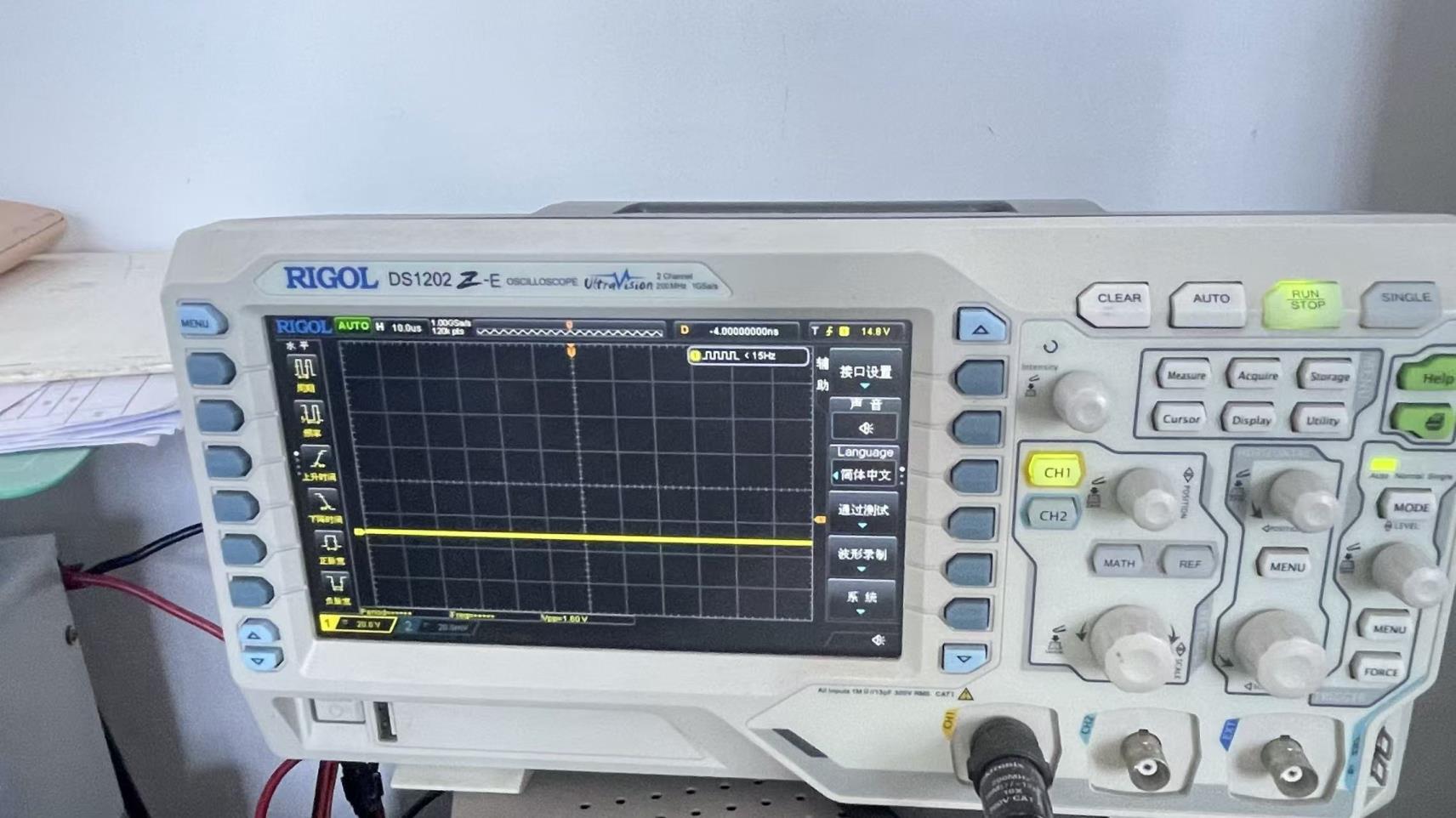
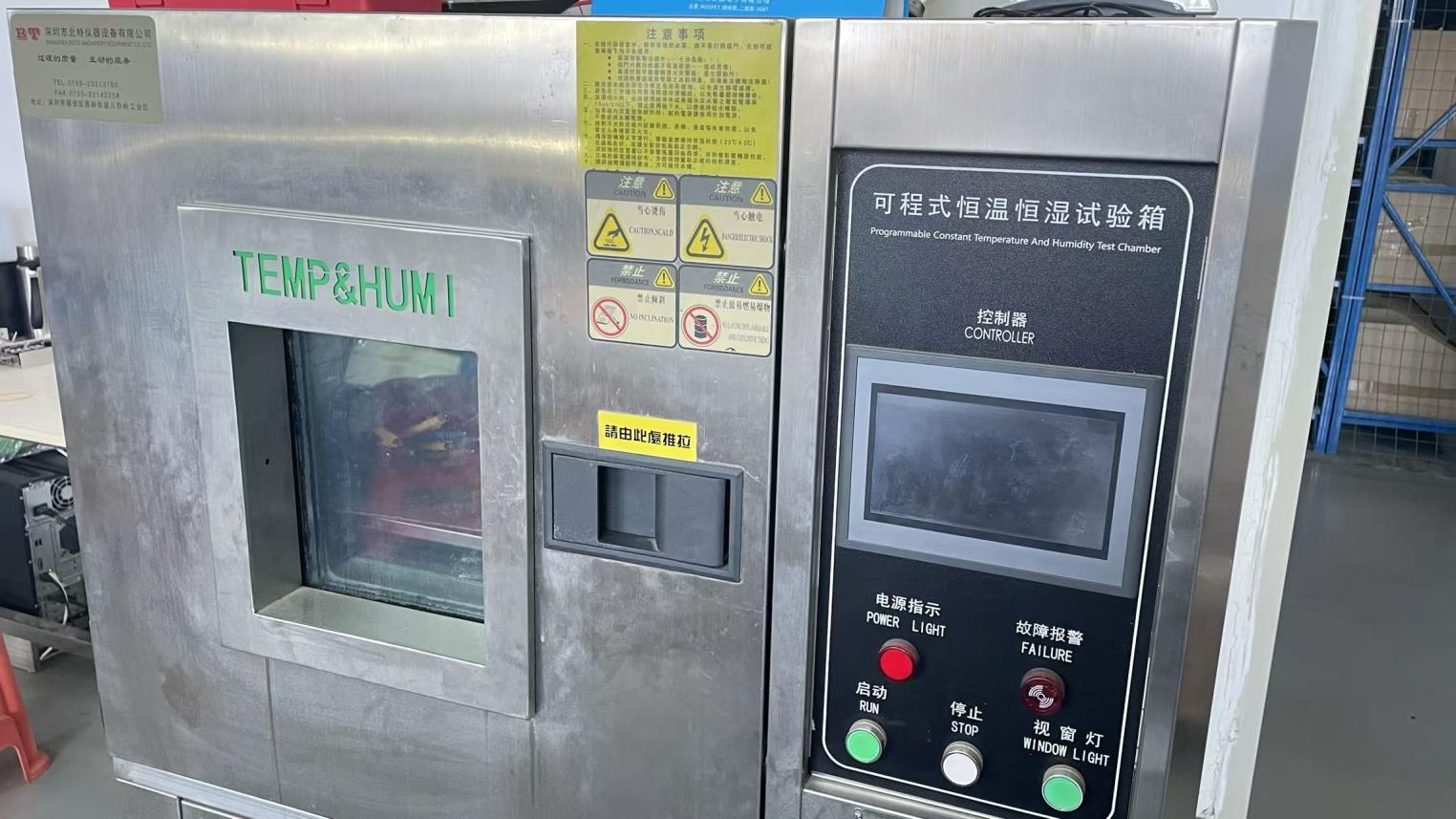
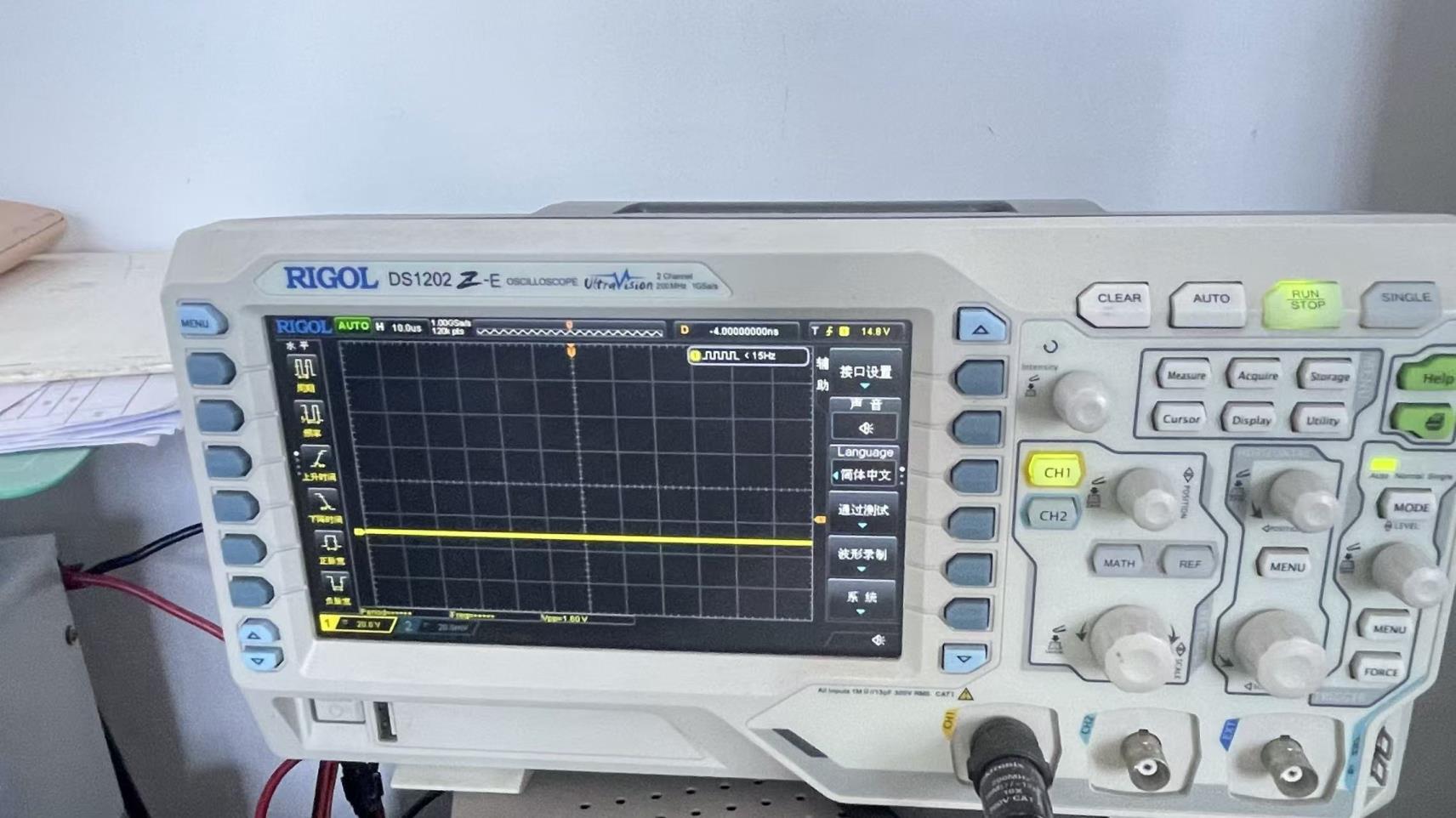
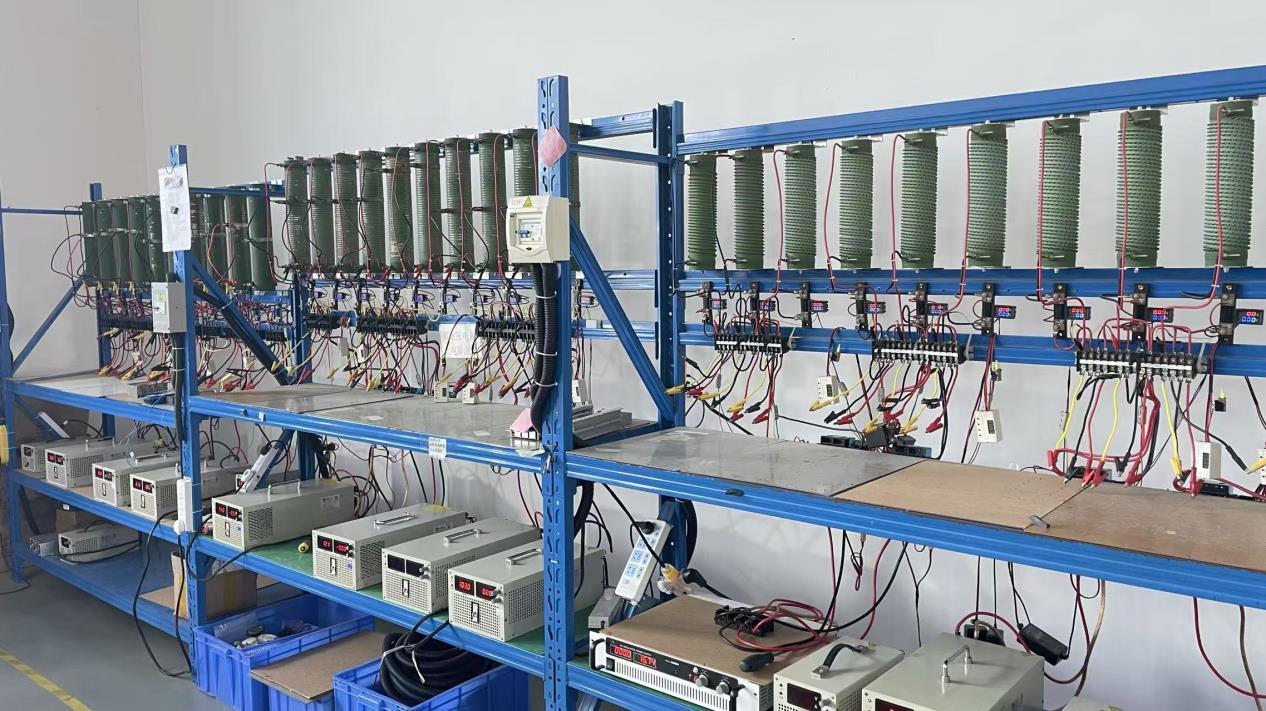
Our engineering laboratory validates electrical and environmental endurance parameters to ensure peak operation under severe field conditions.
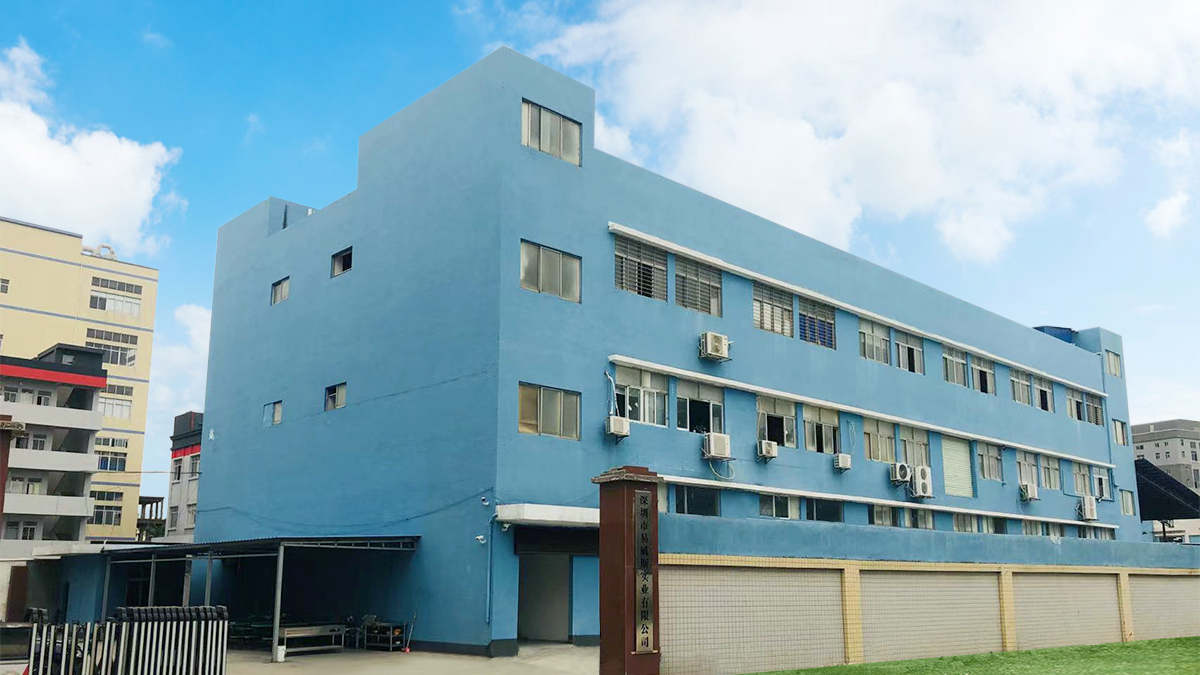
Every single power converter, battery charger, and hot-swap module produced at Guangzhou EVS Powers goes through multiple stages of inspection. Operating in harsh marine, high-altitude, and heavy industrial environments requires high-tolerance designs. Our testing processes simulate extreme humidity variations, grid over-voltages, load transient steps, and physical vibration limits.
Our quality assurance workflow employs dedicated test chambers for environmental and structural robustness, alongside highly accurate electrical load calibrators. This comprehensive protocol prevents early components fatigue, ensuring long-term field installation uptime exceeding 100,000 hours MTBF (Mean Time Between Failures).
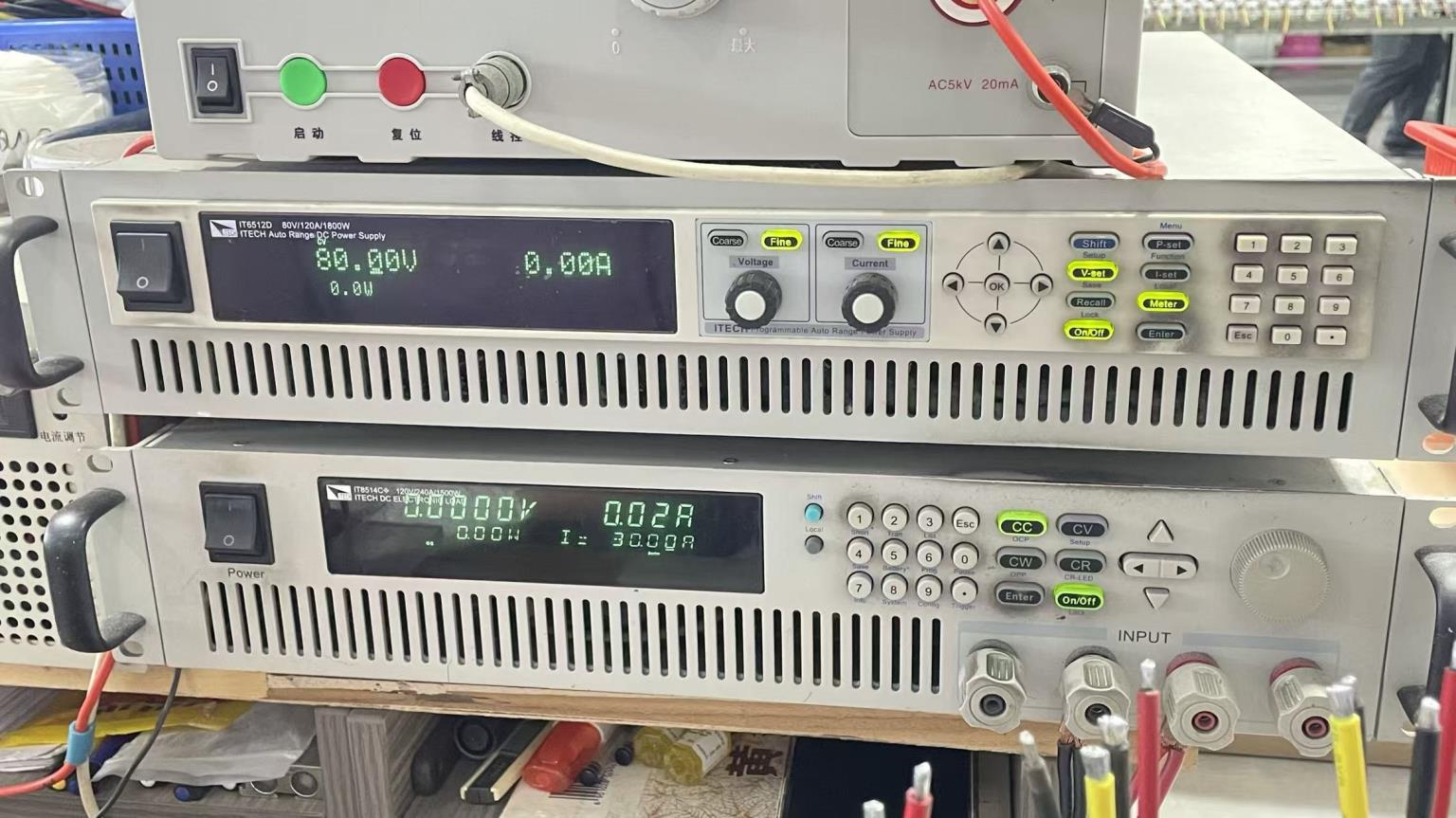

How EVS Powers mitigates global supply constraints while maintaining compliance, rapid prototyping, and cost leadership.
Guangzhou serves as a primary global hub for component sourcing, housing raw copper suppliers, advanced magnetic cores, power semiconductors, and PCB manufacturers. By positioning EVS Powers within this high-density industrial ecosystem, we maintain a secure supply chain, minimizing lead times to a fraction of European or North American timelines.
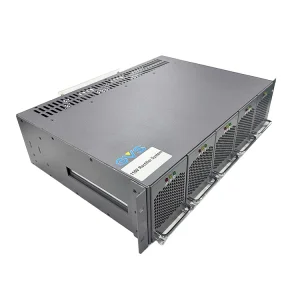
Through our vertically integrated production workflow (incorporating in-house automatic winding, automatic soldering, and potting), we minimize outsourcing overheads. This structure enables us to configure complex setups—like customized 2U rack mount charging cabinets and 380V to 110V DC rectifiers—while remaining highly competitive for global bids and long-term EPC contractors.
Industrial power solutions must align with varied regional electrical frameworks. Our systems support wide input variations, from single-phase 110V/220V/230V AC inputs (popular across North American and European industrial hubs) to three-phase 380V/400V/415V AC utility environments. We focus heavily on electrical compliance, including:
110VDC distribution networks are highly localized. Selecting the correct topology is dependent on unique engineering environments:
Continuous trip/close coils in high-voltage breakers require momentary high-current draws. A robust float charger keeps battery racks charged to handle these transients, maintaining circuit breaker operability even during complete blackouts.
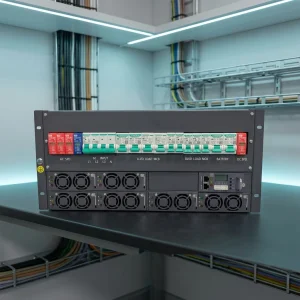
Centralized telecom cabinets rely on modular, parallelable AC-DC rectifiers to drive radio access and routing equipment. High density (1U/2U configurations) and built-in SNMP allow remote site health checks over standard networks.
DC-DC power converters adapt unstable grid outputs down to regulated control loops (e.g., 150VDC to 110VDC). Conformal coating protects internal assemblies from corrosive saltwater air and industrial dust.
Expert answers to common engineering, procurement, and deployment questions regarding switch-mode industrial power plants.
Substation switchgear control loops can extend hundreds of meters across a facility. Lower voltages (such as 24VDC or 48VDC) experience significant voltage drop along long cables, which may prevent large trip coils from operating reliably. Operating at 110VDC (or 125VDC) reduces line current for equivalent power delivery, enabling thinner wiring runs and protecting control signal integrity.
Conventional hard-switching experiences high overlapping voltage and current during transistor state changes, leading to high switching losses and electromagnetic interference (EMI). Resonant soft-switching (such as LLC topology) shapes the current or voltage waveform to transition at zero crossings (ZVS/ZCS). This increases conversion efficiency to 95%, reduces heat emission, and significantly reduces the size of the required input/output filters.
Yes, EVS modular rectifiers are built for N+1 parallel redundancy. Active current-sharing controls balance output currents among parallel modules, limiting imbalances to within ±3%. If one module fails, the remaining units immediately pick up the load without output dips, and the failed module can be hot-swapped safely under load.
We integrate RS485 and Ethernet interfaces supporting Modbus RTU and SNMP v2/v3 protocols. This allows SCADA systems and building management systems (BMS) to monitor real-time outputs, individual module states, internal temperatures, and diagnostic alarms (such as AC phase loss, DC over/under voltage, and earth leakage faults).
Our smart battery charging software features a multi-stage logic: Boost charging (high current to recover capacity quickly), Float charging (constant voltage maintenance), and Equalized charging (periodic voltage rise to prevent battery cell stratification). Integrated temperature sensors adjust output voltages to prevent thermal runaway or undercharging in cold climates.
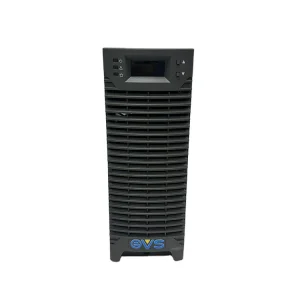
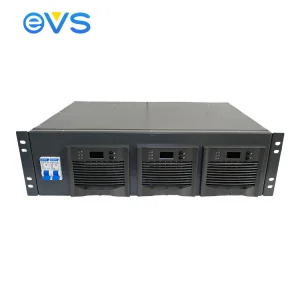
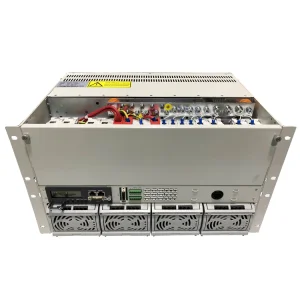
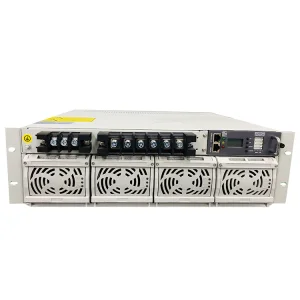
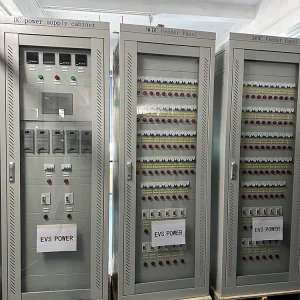
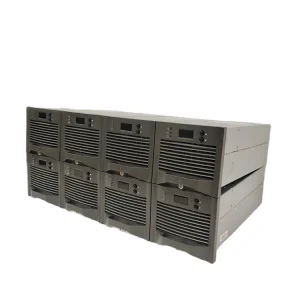
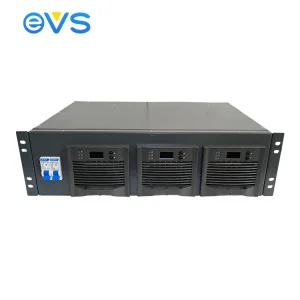
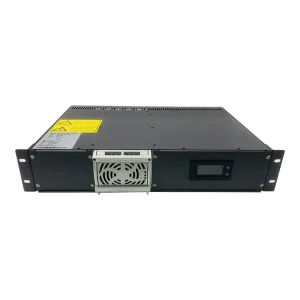
Complete your power cabinet configuration with our heavy-duty switching modules and rack-mount converters.
 EVS Powers