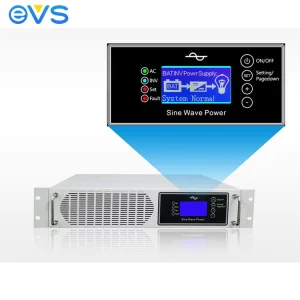
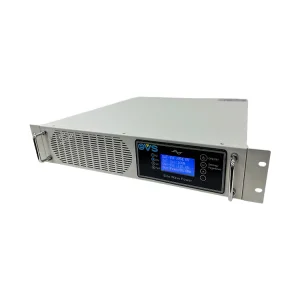
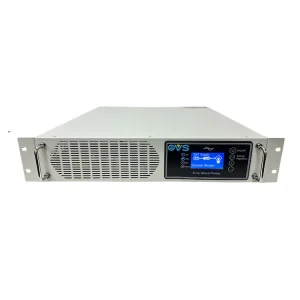
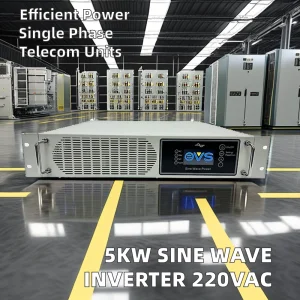
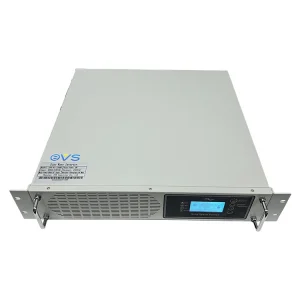
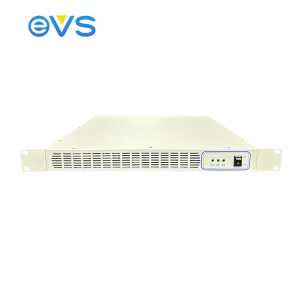
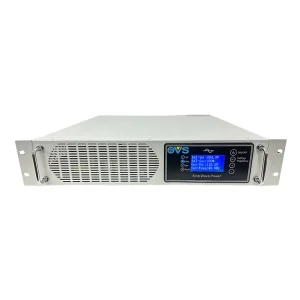
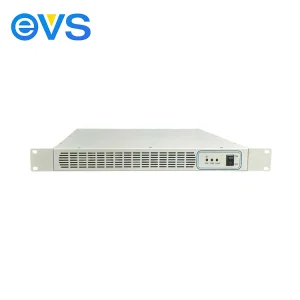
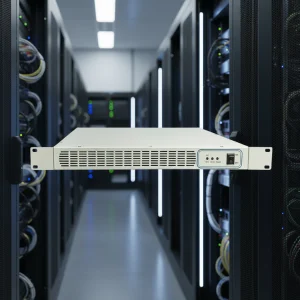
High-efficiency pure sine wave rack-mount modules designed for continuous industrial and telecom applications.
Analysis of power architectures, efficiency thresholds, and supply stability in mission-critical networks.
Modern telecommunication networks serve as the backbone of the digital economy. The rapid deployment of 5G microcells, edge computing nodes, and dense macro base stations requires continuous electrical stability. Unlike traditional consumer-grade power solutions, a telecom inverter must transition seamlessly between direct current (DC) battery banks and alternating current (AC) grids without even a millisecond of voltage drop.
As telecom networks adopt higher operating frequencies, the sensitivity of the RF (Radio Frequency) components increases exponentially. High harmonic distortion or transient spikes in the power supply line can cause packet loss, communication delays, and even hard hardware failures. Thus, standard pure sine wave inverters with a Total Harmonic Distortion (THD) of less than 3% are now mandatory across all base stations and telecom switching hubs.
Historically, the telecom sector operated predominantly on -48VDC setups. Today, however, industrial microgrids, utilities, and transport facilities leverage various DC battery banks—including 24VDC, 110VDC, 125VDC, and 220VDC. This creates a complex supply challenge for telecom procurement departments. Industrial sites require highly modular inverters that can support standard 19-inch racks while being engineered to match these distinct battery voltages.
Furthermore, global networks must comply with diverging regional AC outputs—ranging from 110VAC/120VAC systems at 60Hz in North America to 220VAC/230VAC systems at 50Hz across Europe and Asia. Suppliers must possess robust R&D capacities to customize the inner topology of the inverter, providing bespoke OEM/ODM solutions without delaying shipping timelines.
How specialized input voltages and rack configurations solve power conversion challenges globally.
Operating consistently on 48VDC battery backup systems. EVS inverters convert DC power to reliable 220VAC, powering local refrigeration, outdoor auxiliary monitoring, and RF transceivers.
Utilizing 110VDC or 125VDC auxiliary battery arrays. Highly ruggedized 1U and 2U rack mount units ensure signal relays, level crossings, and cabin automation remain online in extreme vibration environments.
Integrating 220VDC centralized battery systems. Our custom single-phase high-capacity inverters (up to 10KVA) supply filtered, pure sine wave electricity to edge computing servers and core switches.
Guangzhou EVS Powers Co., Ltd. combines advanced manufacturing automation with strict testing protocols.
Based in the international trade hub of Guangzhou, Guangzhou EVS Powers Co., Ltd. is a leading professional manufacturer of switching power supplies, DC power systems, industrial DC-DC converters, and specialized telecom power inverters. By consolidating local component sourcing with advanced automated assembly, we reduce the cost of premium materials while maintaining strict QC protocols. We treat customer satisfaction as our ultimate goal, quality as our survival baseline, and systemic cost-saving as our global competitive advantage.
Through our established global export logistics network, EVS products are deployed across Europe, North and South America, Australia, the Middle East, and Southeast Asia. We continuously share our technical designs, software SDKs (supporting RS485 and SNMP monitoring), and testing benchmarks with international partners to build long-term OEM/ODM collaborations.
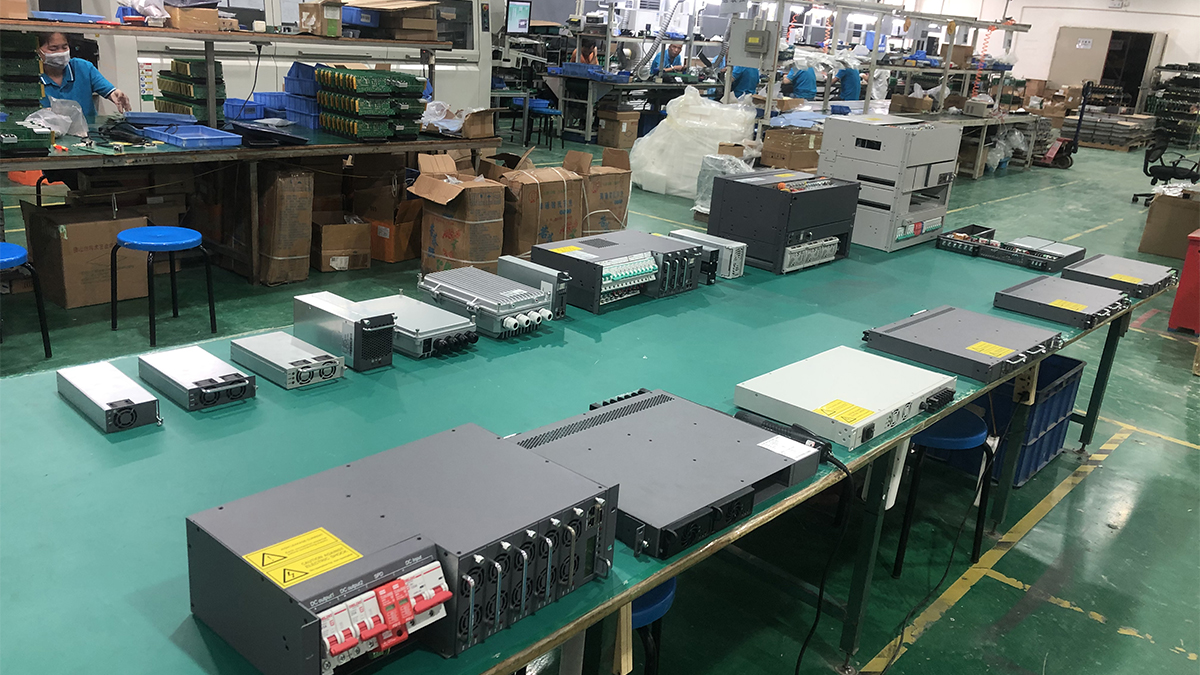
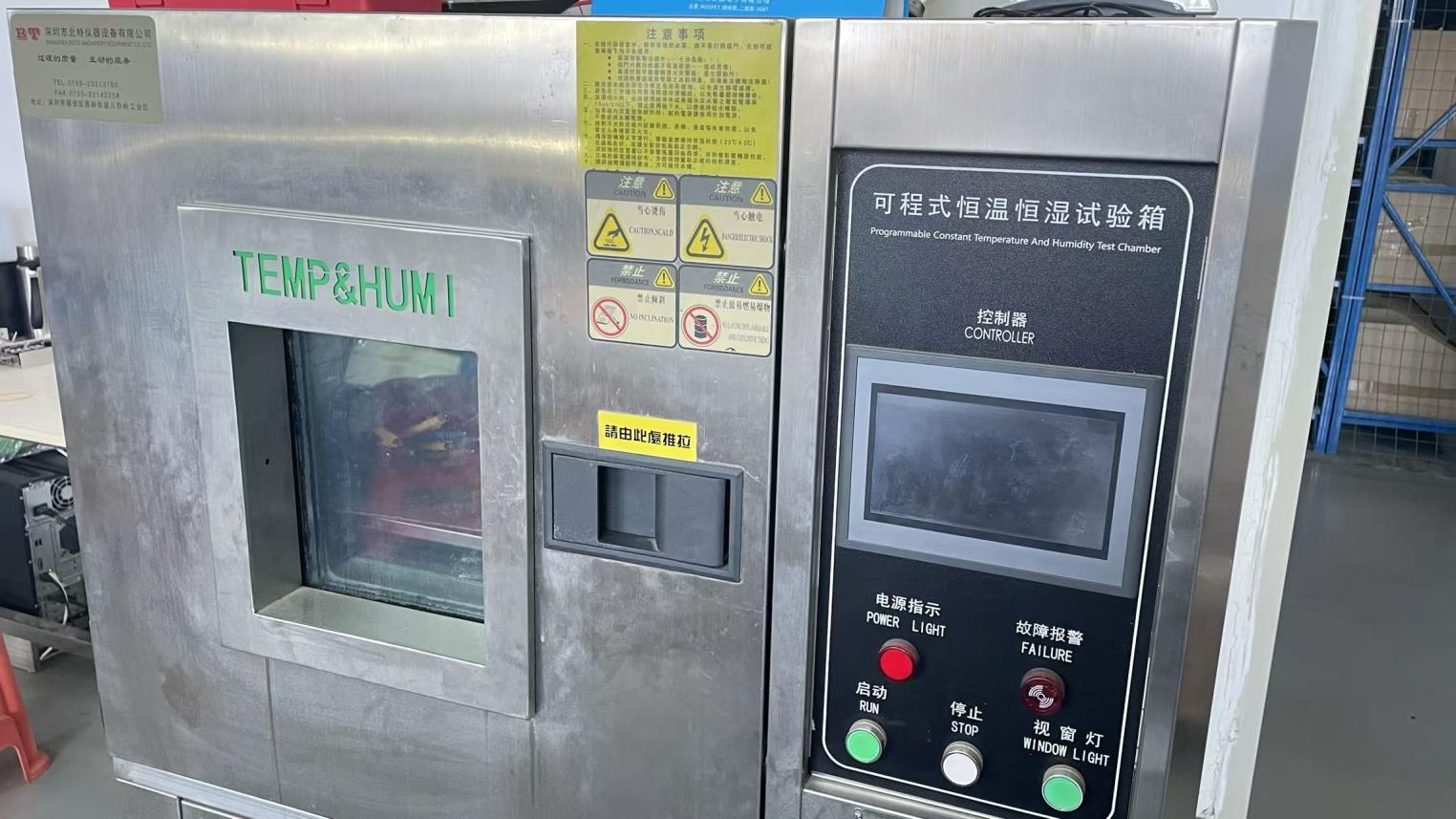
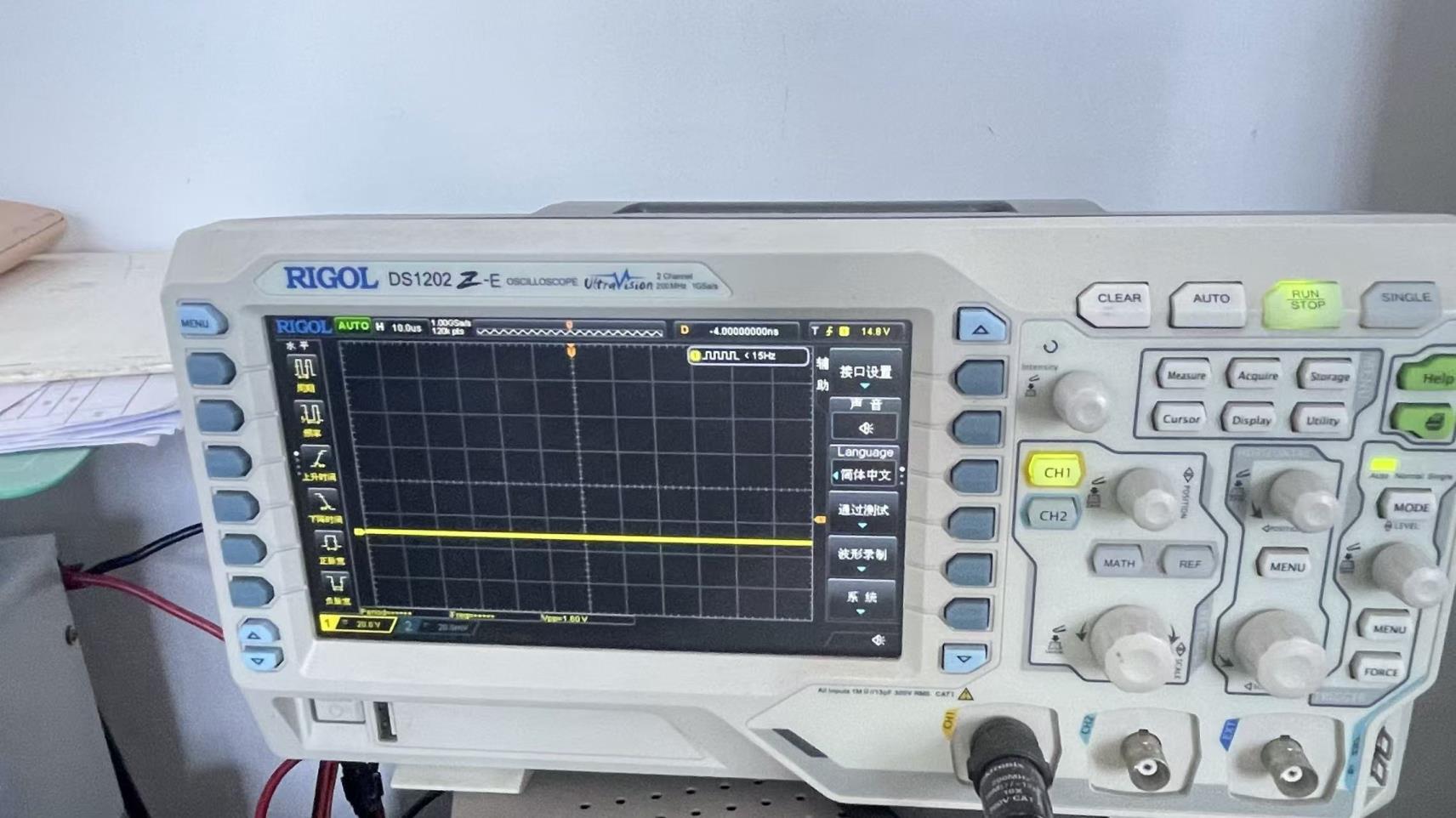
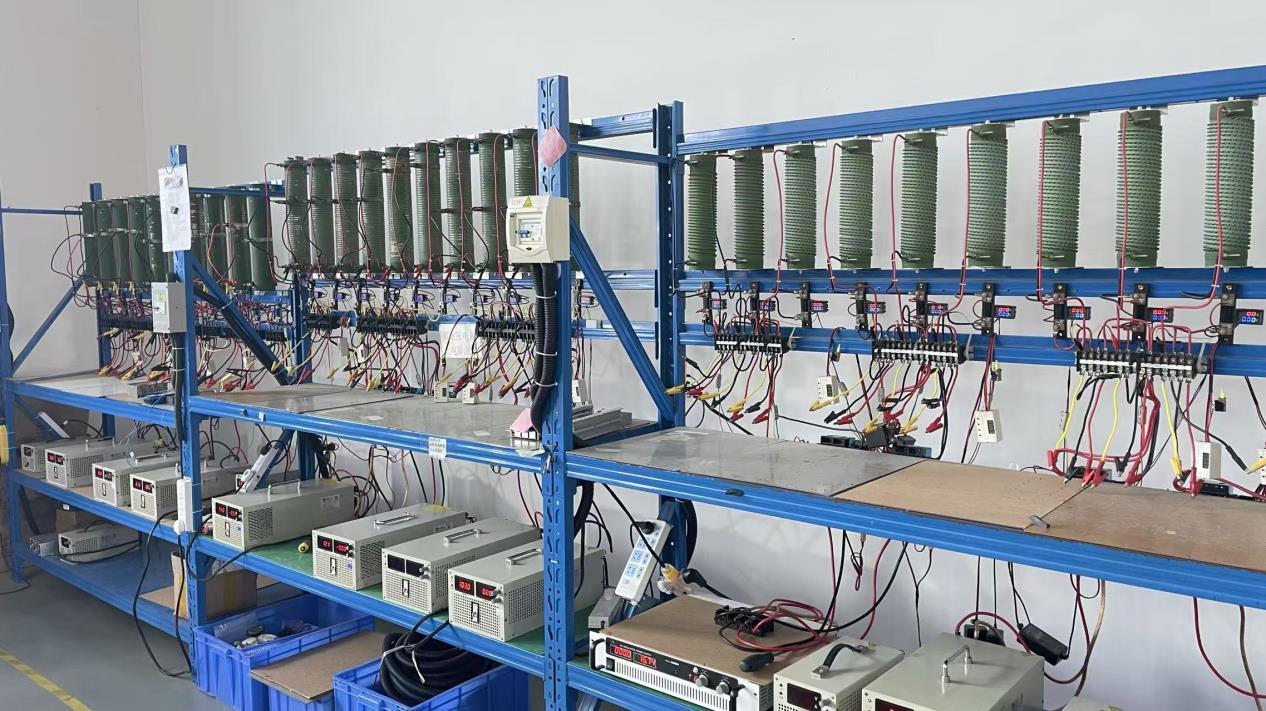
Every telecom inverter undergoes a comprehensive, multi-phase assembly process to eliminate component stress and guarantee long-term operational performance (MTBF > 100,000 hours):
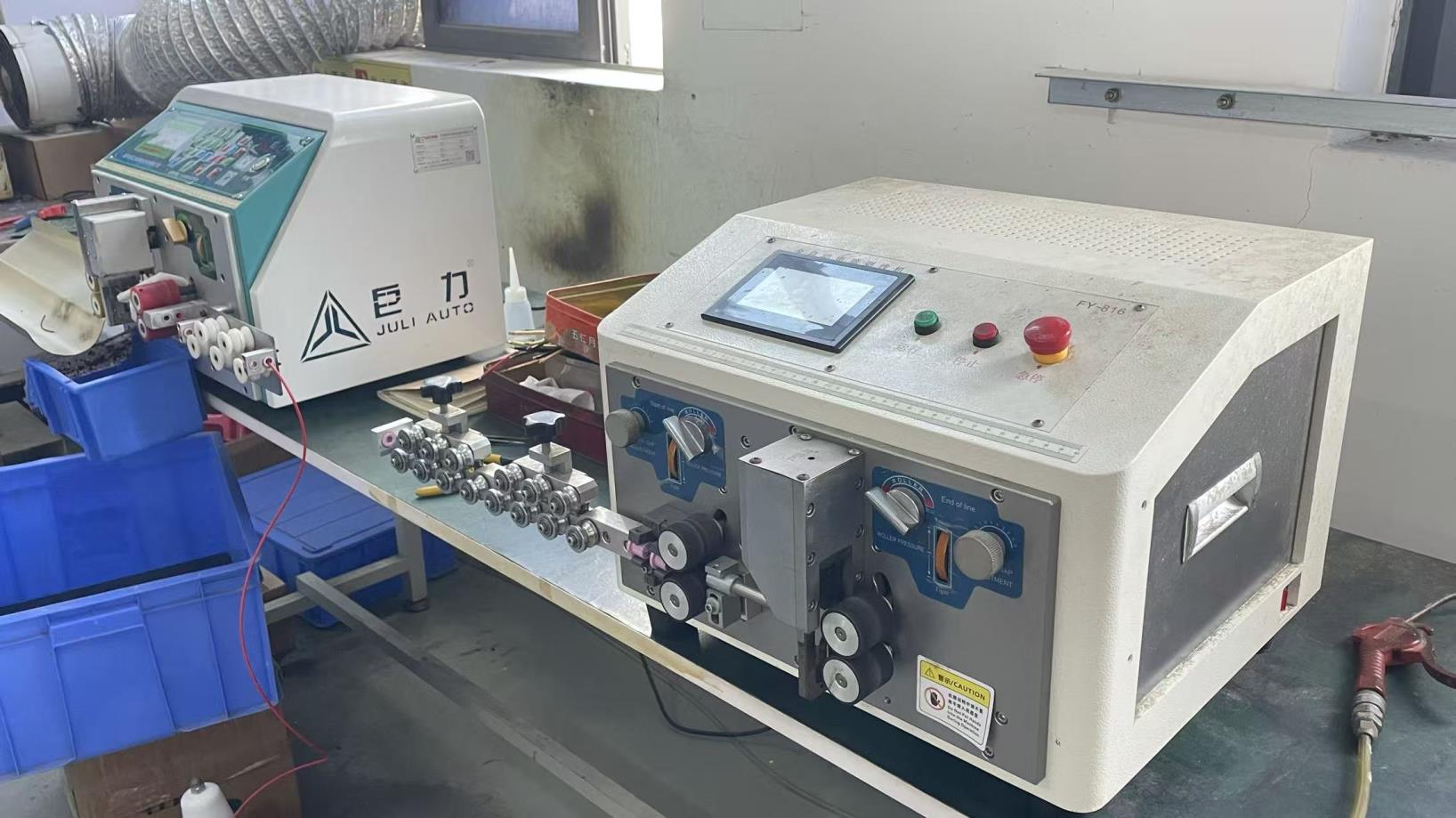
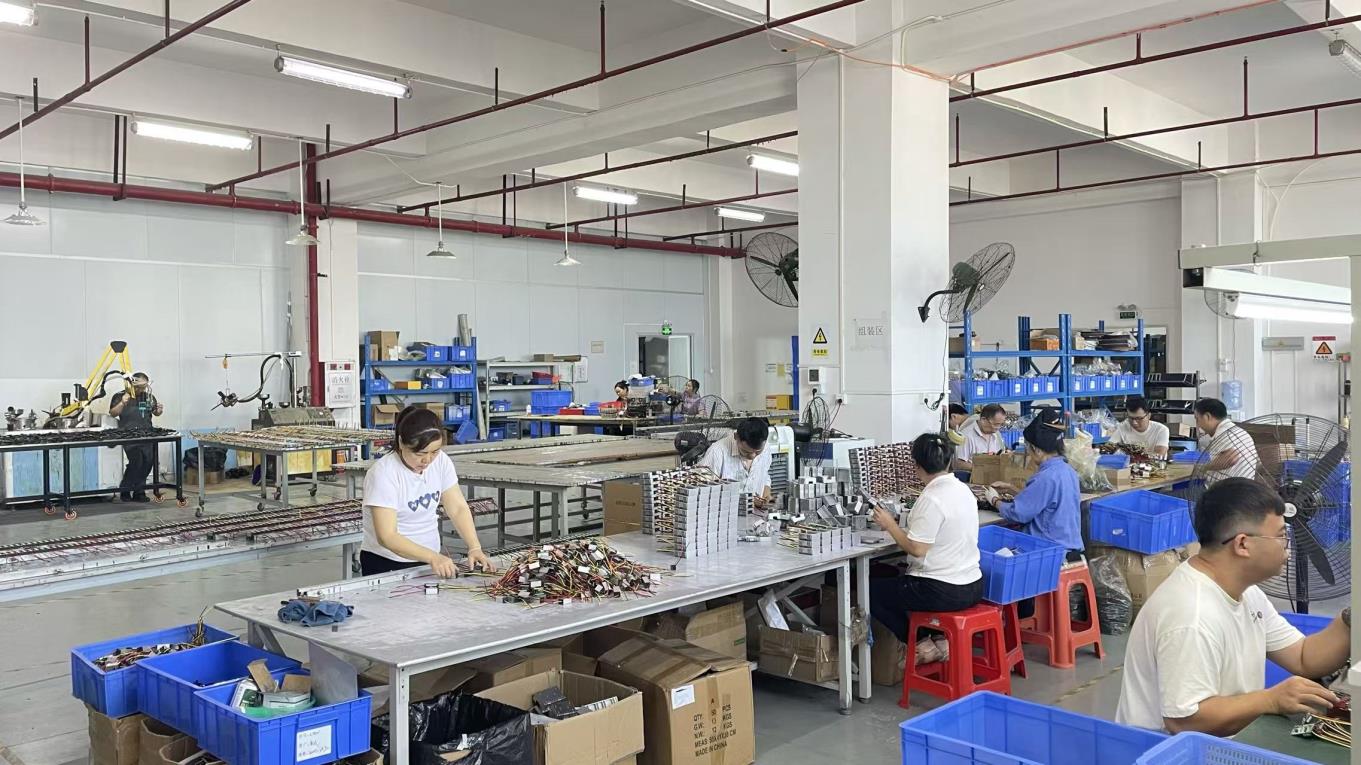

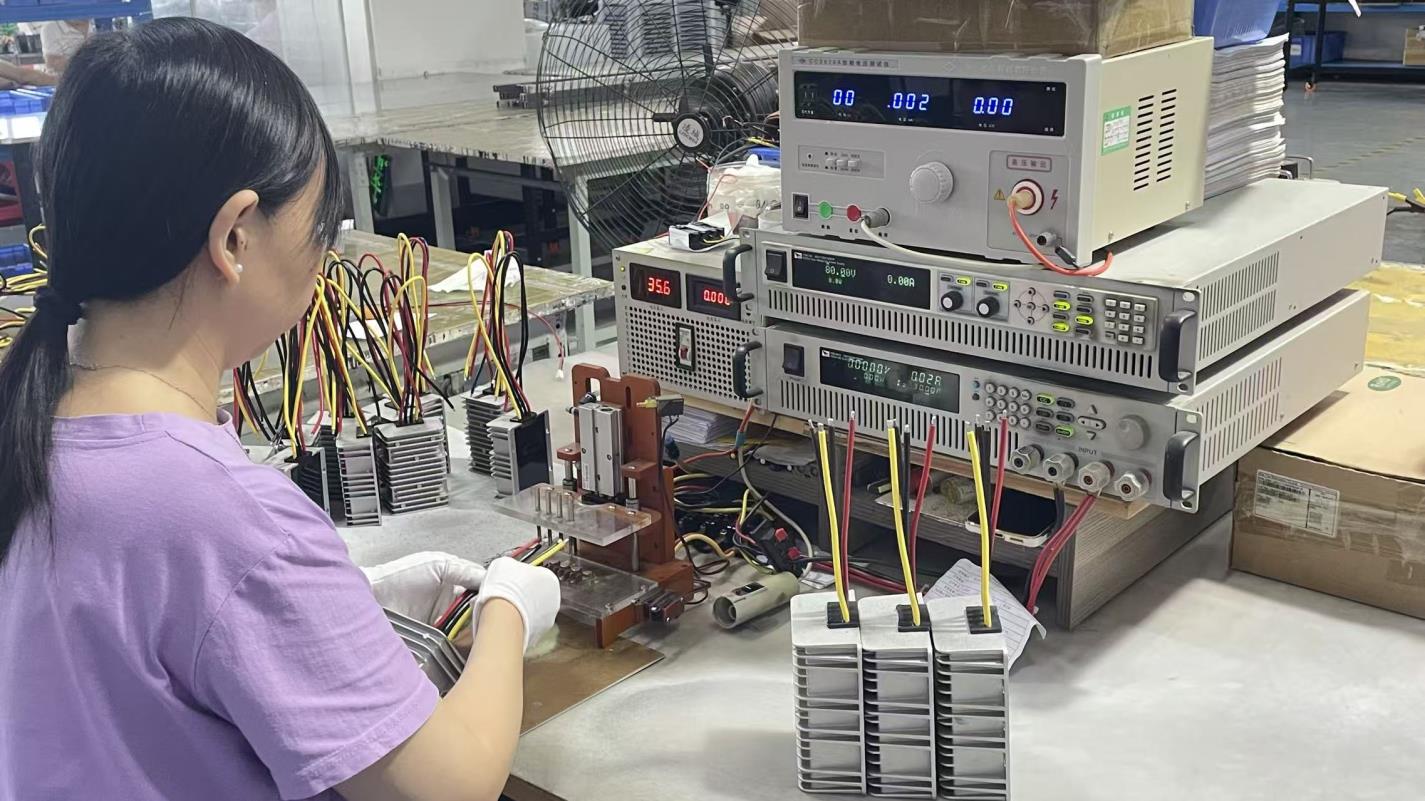
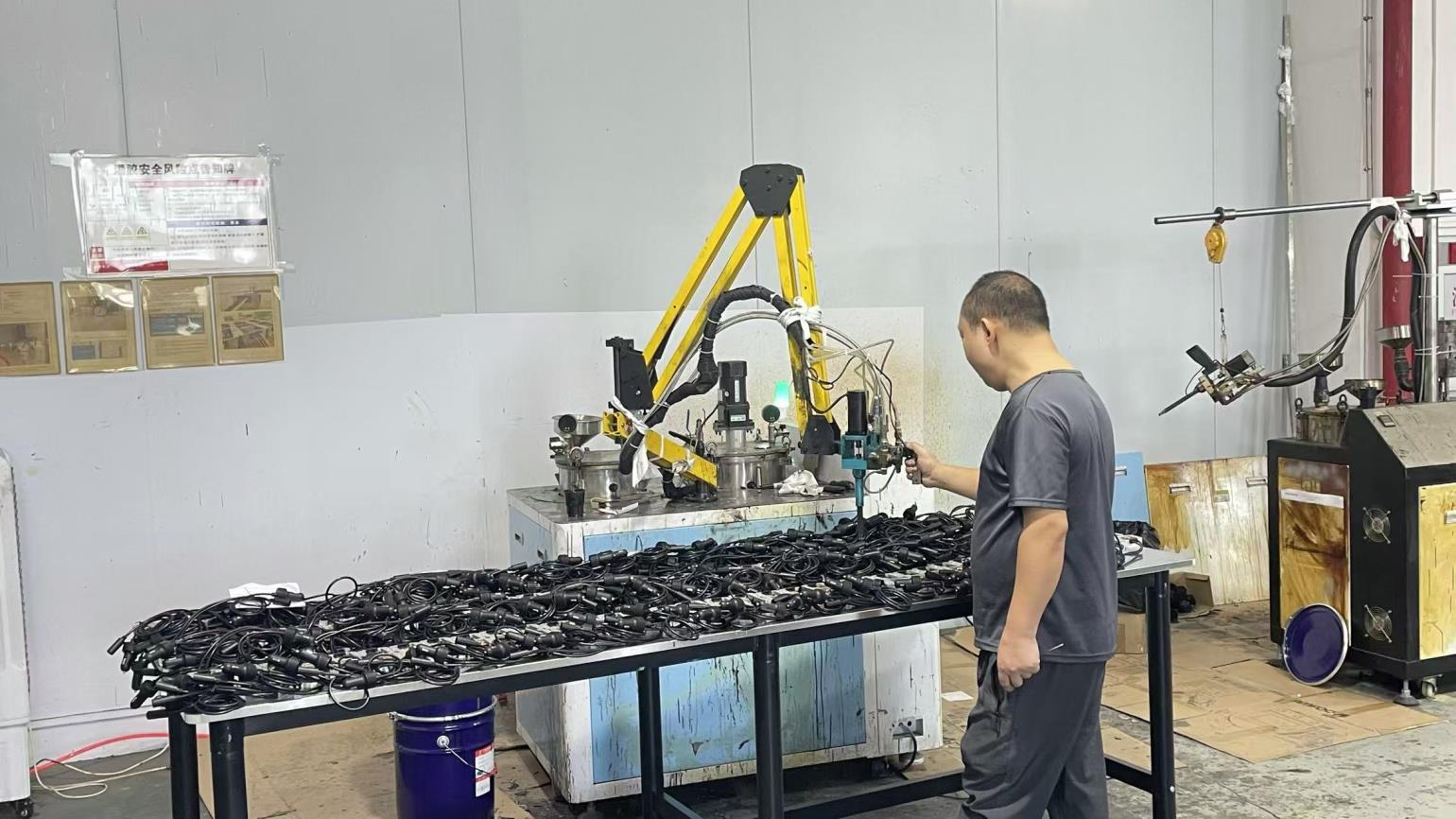
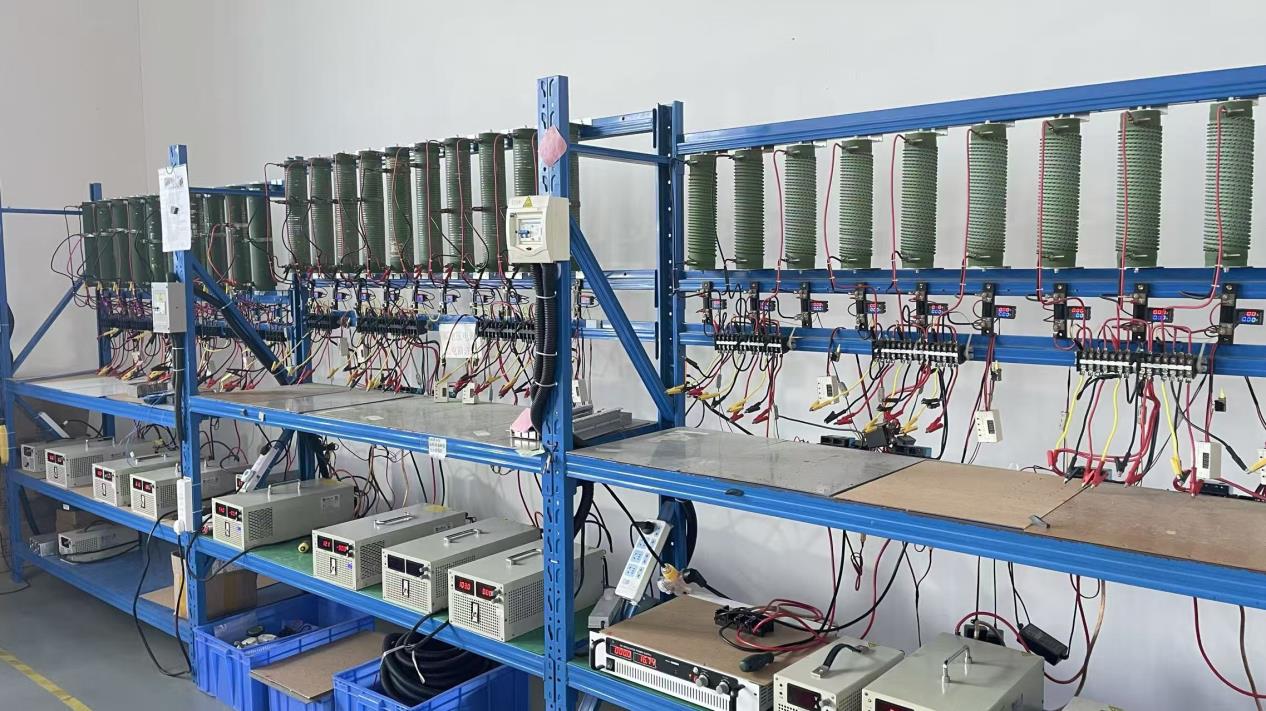

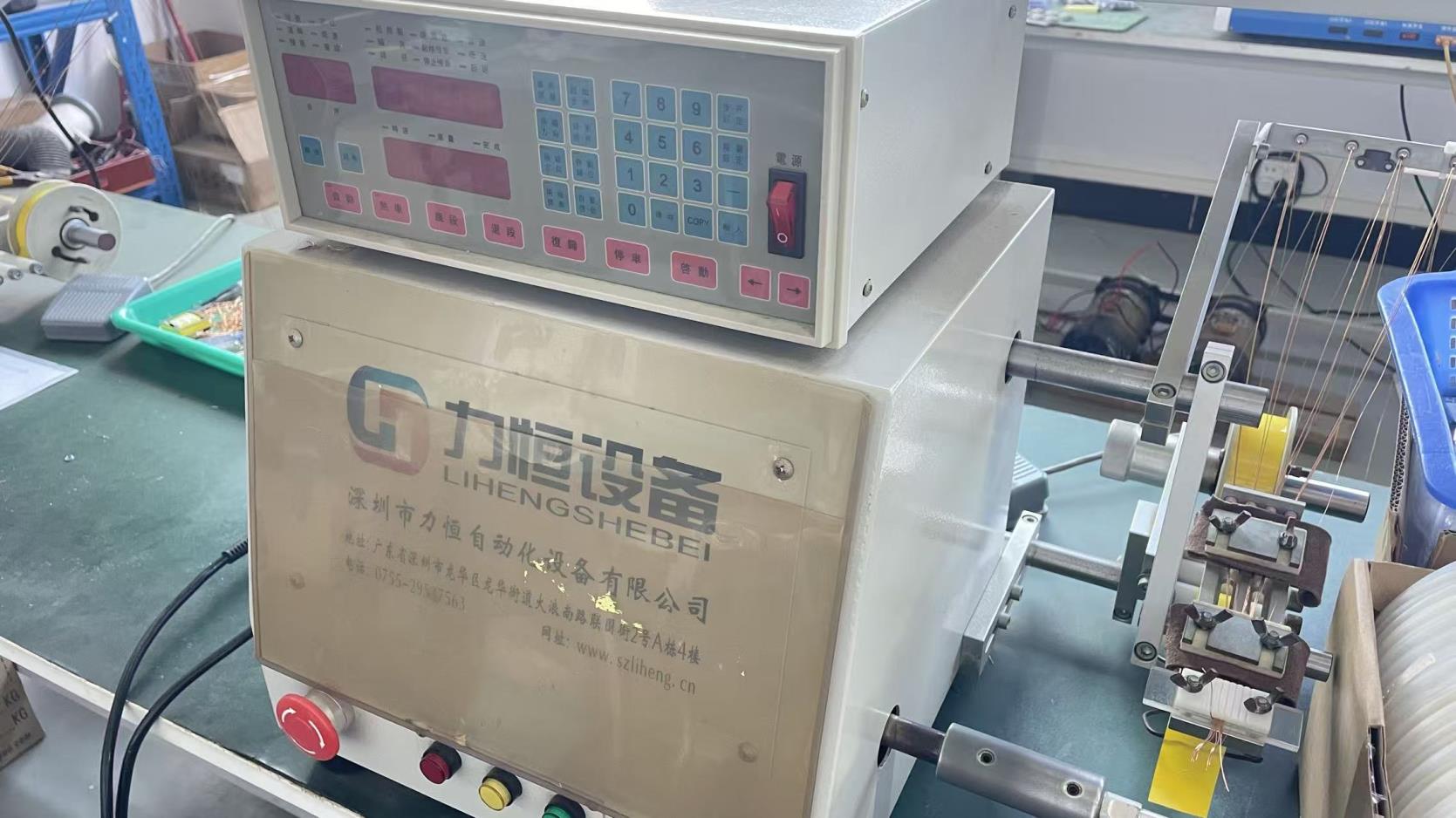
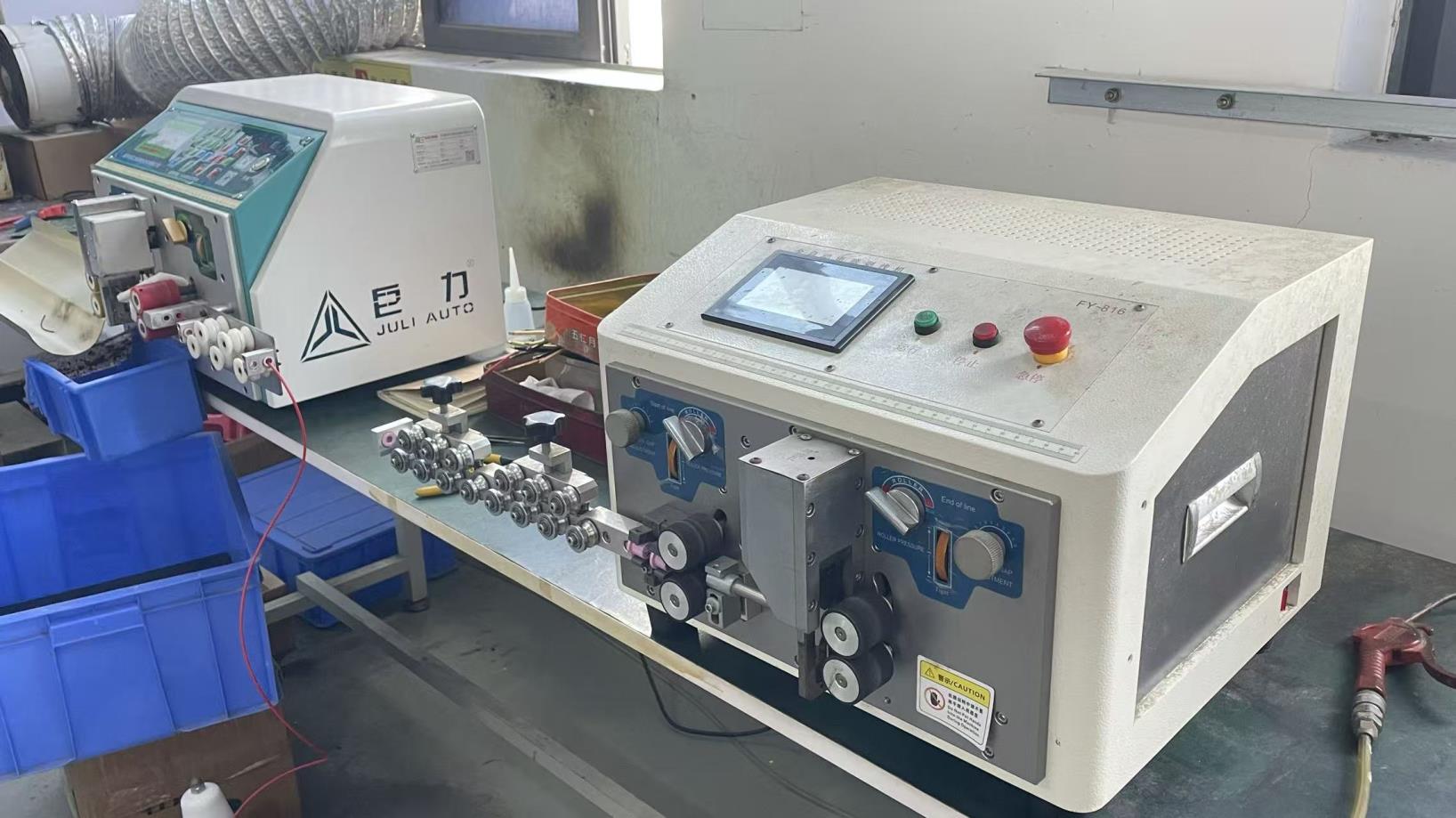


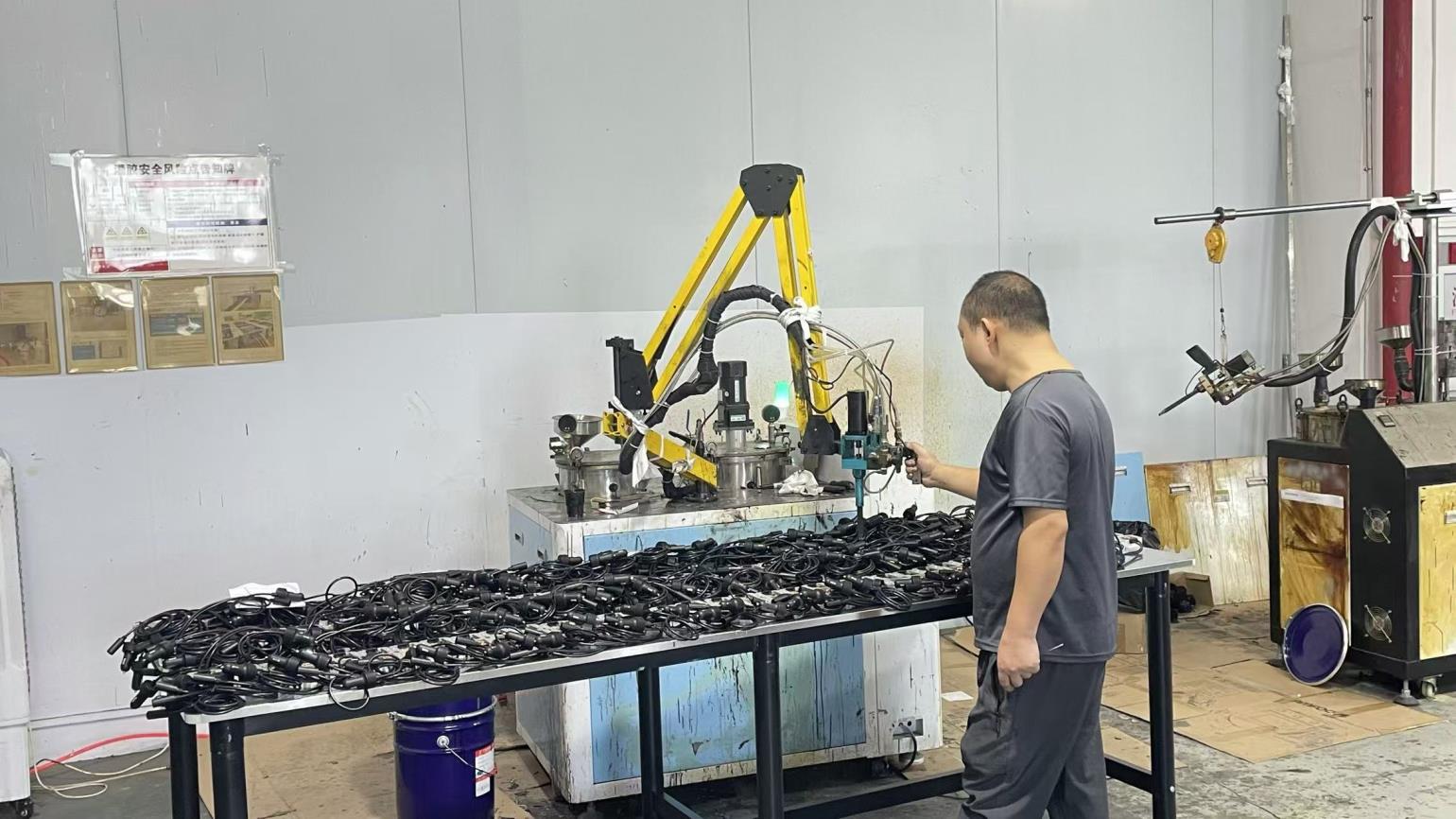

No product leaves our factory without satisfying international tolerance benchmarks.

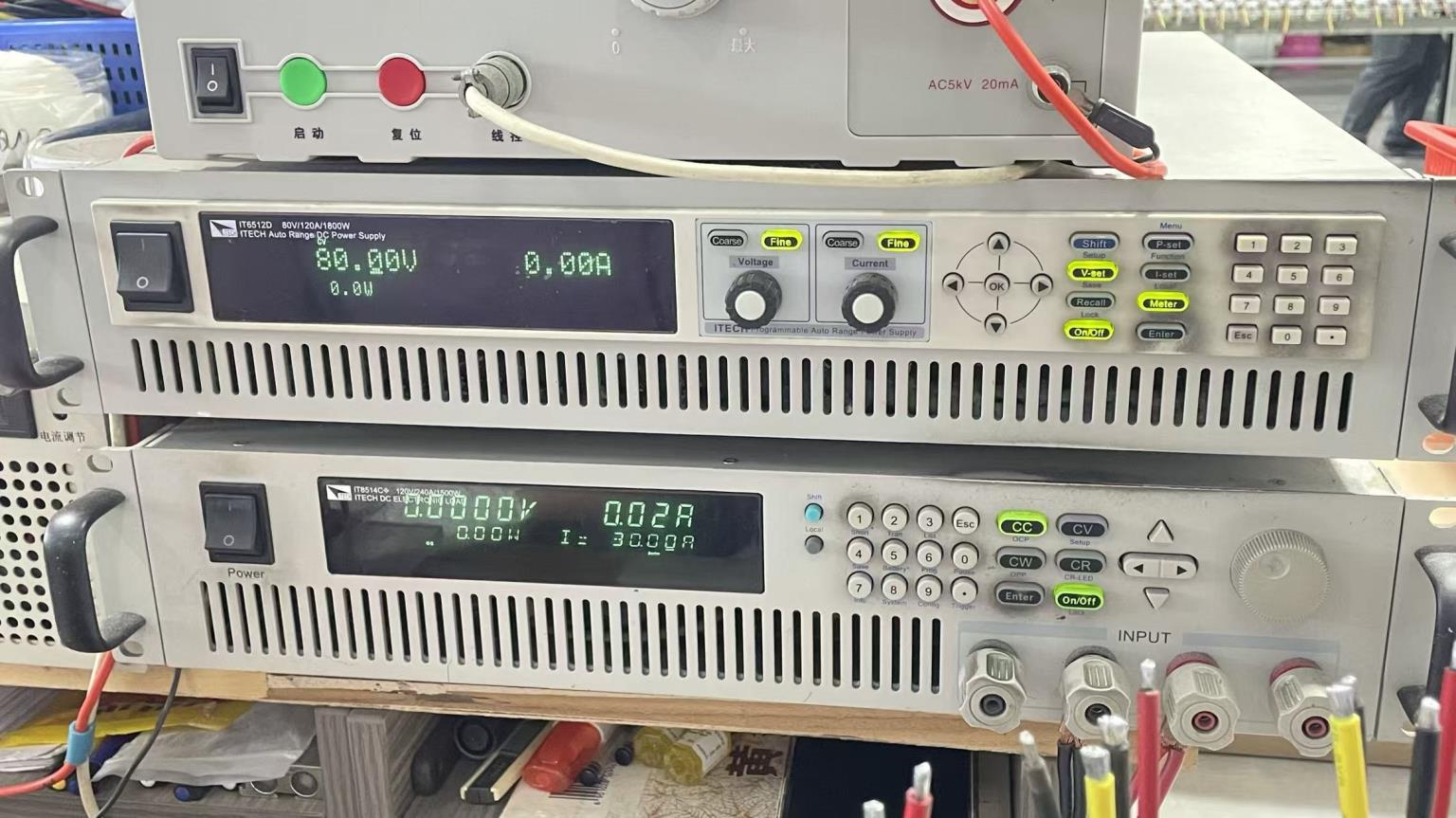
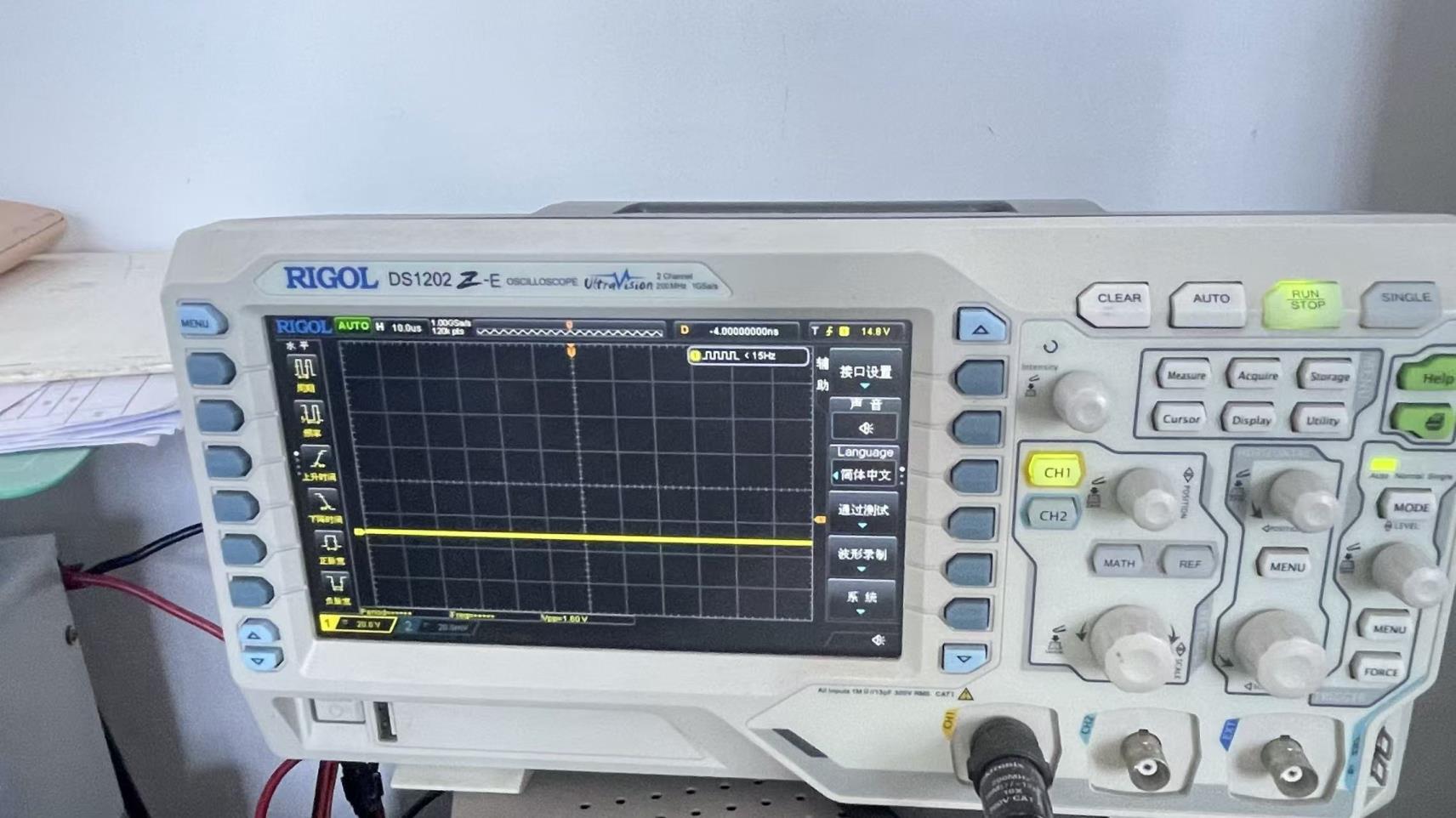

Essential considerations for EPCs, system integrators, and telecom infrastructure buyers.
As cabinet space in data centers and telecom enclosures becomes increasingly expensive, developers demand inverters with high power density. EVS has addressed this requirement by refining its switching topology, enabling output capacities up to 3000W in a compact 1U or 2U structural height. This layout optimizes airflow while leaving ample space for backup batteries and fiber distribution shelves.
Modern remote infrastructure cannot rely on manual physical checkups. Inverters must integrate directly into centralized network operations centers (NOCs). Our units feature advanced SNMP web cards, RS232, and RS485 communication protocols. This allows operators to track input voltages, load profiles, internal temperatures, and alarm logs in real time, enabling predictive maintenance schedules before systems experience downtime.
To guarantee uninterrupted operation, modern inverters utilize a Static Transfer Switch (STS). In the event of battery exhaustion or internal inverter failure, the STS shifts the load to the primary AC grid bypass line within 4 milliseconds. This transition is so rapid that connected IT infrastructure and communication processors experience no operational interruption, maintaining 100% network availability.
Discover our custom multi-voltage and SNMP-integrated rack-mount solutions.
Expert engineering answers to critical sourcing questions.
 EVS Powers