The Switching Mode Power Supply (SMPS) is a cutting-edge technology in power management. It efficiently converts electrical power while minimizing losses. Renowned expert Dr. Alice Harper states, "The transition to SMPS represents a leap towards energy efficiency." Her insight highlights how the industry has evolved to meet modern demands.
SMPS is ubiquitous in various devices, from computers to industrial applications. Its ability to regulate voltage and current while adapting to different loads is remarkable. This adaptability often leads to less heat generation, improving reliability. However, not all designs are flawless. Some SMPS units can introduce electrical noise, which may interfere with sensitive electronics.
Understanding the intricacies of Switching Mode Power Supplies is crucial. From efficiency rates to thermal management, each aspect requires careful consideration. As technology progresses, refining these systems remains a challenge. Continuous improvement is vital for the future of energy-efficient power supplies.
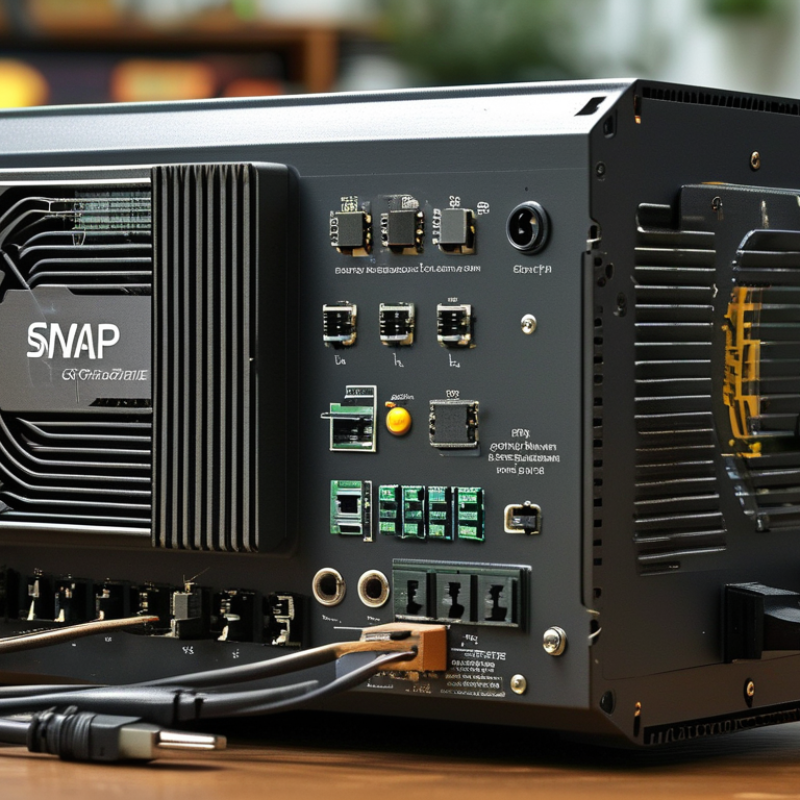
A Switching Mode Power Supply (SMPS) is a vital component in modern electronics. It converts electrical power efficiently from one voltage level to another. Unlike traditional linear power supplies, SMPS operates by rapidly switching the input voltage on and off. This technique reduces energy loss and enhances performance.
The design of an SMPS consists of several key components. These include a transformer, diodes, capacitors, and inductors. The transformer isolates the primary and secondary sides, while diodes rectify the current. Capacitors filter the output, ensuring smooth voltage delivery. The switching frequency can vary, impacting size and efficiency. A higher frequency often leads to smaller components.
Understanding SMPS involves recognizing its advantages and limitations. While highly efficient, thermal management can be challenging. Components may overheat if not properly designed. Additionally, the complexity of the circuitry requires skilled engineering. Ultimately, the effectiveness of an SMPS relies on precise design and implementation. Balancing performance with thermal constraints remains a critical task for engineers.
Switching Mode Power Supplies (SMPS) are crucial in modern electronics. They convert electrical power efficiently. Understanding their key components can enhance your knowledge of how they work.
The input stage of an SMPS usually includes a rectifier and filter. This stage converts AC to DC power. The switching stage employs transistors or MOSFETs, which rapidly switch on and off. This creates a pulsed signal. The transformer then steps down or steps up the voltage as needed. Finally, the output stage smooths the signal and regulates the voltage for the load.
Tips: Ensure you check the specifications of the components you choose. Mismatched components can lead to inefficiencies. Don't forget to monitor heat levels. Overheating can damage the power supply over time. Lastly, always prioritize safety features in your design.
Another important aspect is feedback control. This ensures stability and consistent output voltage across varying loads. Implementing proper feedback techniques is essential for reliable performance. It may take some trial and error to find the right balance. As you experiment, document your findings for future reference. Each attempt can lead to a better understanding of SMPS functionality.
A Switching Mode Power Supply (SMPS) is an efficient method of converting electrical power. Its operation is based on switching elements like transistors and diodes. These components rapidly turn on and off, controlling the flow of energy. This process is what gives SMPS its superiority in energy conversion.
In a typical SMPS, the input voltage passes through a filter and is then converted into a high-frequency AC signal. This signal gets transformed by a transformer to adjust the voltage levels. The output is then rectified and smoothed before reaching the connected device. This method allows for reduced size and weight, making SMPS ideal for compact electronic devices.
However, the technology has its drawbacks. Electromagnetic interference can be an issue with switching frequencies. Additionally, understanding the components and their interactions requires specialized knowledge. Even experienced users can face challenges in troubleshooting. These aspects highlight the complexity behind the seemingly straightforward process of power conversion in SMPS.
| Parameter | Description | Typical Value |
|---|---|---|
| Input Voltage | The voltage supplied to the SMPS | 85-265V AC |
| Output Voltage | The voltage delivered to the load | 3.3V to 48V DC |
| Switching Frequency | Frequency at which the switch operates | 20kHz to 1MHz |
| Efficiency | Ratio of output power to input power | 80% to 95% |
| Load Regulation | Variation in output voltage with different loads | ±1% to ±5% |
| Ripple Voltage | AC voltage variation superimposed on DC output | < 100mV |
| Temperature Range | Operating temperature for the SMPS | -25°C to +85°C |
Switching mode power supplies (SMPS) have gained popularity due to their many advantages. One major benefit is efficiency. They convert electrical power with high efficiency, often exceeding 80%. This means less wasted energy, which is crucial for reducing operating costs in devices. Their compact size also plays a significant role. Smaller components mean more versatile applications, especially in portable devices.
Another important aspect is heat management. SMPS generates less heat than traditional linear power supplies. This lowers cooling requirements, saving space and materials. Less heat also enhances the reliability of electronic components. However, some users might notice noise interference. This can be a concern in sensitive audio equipment.
Durability is another key advantage. SMPS units can handle a wide range of input voltages. This flexibility allows them to be used globally. Yet, their complexity can be a drawback. The intricate design may lead to challenges during repairs. Not all technicians are well-versed in SMPS, and availability of replacement parts can be an issue. Despite these imperfections, the benefits often outweigh the drawbacks, making SMPS a popular choice in modern applications.
Switching Mode Power Supplies (SMPS) are critical in various applications today. They convert electrical power efficiently, addressing the demands of modern electronics. The global SMPS market was valued at over $23 billion in 2021 and is expected to grow due to increased energy efficiency standards.
In industrial settings, SMPS are prevalent, powering machinery and systems like automation equipment. Their compact size and lightweight design make them ideal for applications where space is limited. A report from the International Energy Agency (IEA) highlighted that 30% of energy losses come from traditional power supplies, emphasizing the need for more efficient solutions like SMPS.
Consumer electronics prominently feature SMPS as well. From laptops to smartphones, these power supplies support portable devices that require efficient energy use. Data from Statista indicates that global smartphone shipments alone reached nearly 1.4 billion units in 2020, all powered by advanced SMPS technology. However, despite their advantages, challenges remain, particularly in heat dissipation and electromagnetic interference, leading to ongoing research in the field.
: An SMPS efficiently converts electrical power using switching elements like transistors.
The input stage includes a rectifier and filter, converting AC to DC power.
Transistors rapidly switch on and off, creating pulsed signals for energy flow control.
Feedback control ensures stability and consistent output voltage across varying loads.
Electromagnetic interference and troubleshooting complexities can be significant hurdles.
Overheating can damage the power supply over time, so monitoring heat levels is critical.
Ensure components are matched to avoid inefficiencies and performance issues.
Documenting findings helps understand SMPS functionality and improve future designs.
Yes, SMPS is ideal for compact devices due to reduced size and weight.
Specialized knowledge is required to understand component interactions and troubleshoot issues.
A Switching Mode Power Supply (SMPS) is an efficient power supply design that converts electrical power using high-frequency switching techniques. The key components of an SMPS include a switch, a transformer, a diode, and an output filter. The principle of operation involves converting the input voltage to a high-frequency AC signal, which is then transformed and rectified to produce a stable output voltage.
The advantages of Switching Mode Power Supplies are significant, including higher efficiency, reduced size and weight, and improved thermal performance. This makes them ideal for a wide range of applications, such as in computers, televisions, and industrial equipment. Overall, SMPS technology plays a critical role in modern electronic systems by providing reliable and efficient power conversion.

EVS Powers