In the rapidly evolving world of electronics, the choice of an AC DC converter can significantly impact performance and efficiency. Experts emphasize the need for reliable solutions. Dr. Emily Chang, a renowned electrical engineer, states, "The right AC DC converter ensures optimal power management and device longevity."
Today's market offers a plethora of options catering to diverse needs. Manufacturers strive to meet global demands for energy efficiency and sustainability. However, with so many choices, making an informed decision can be challenging. Factors such as voltage requirements, form factor, and environmental conditions are crucial.
While numerous converters promise superior performance, not all deliver. It's essential to weigh the pros and cons. Each option has unique features that might not suit every application. Buyers must reflect on their specific needs. Evaluating the best AC DC converter requires careful consideration and expert advice.
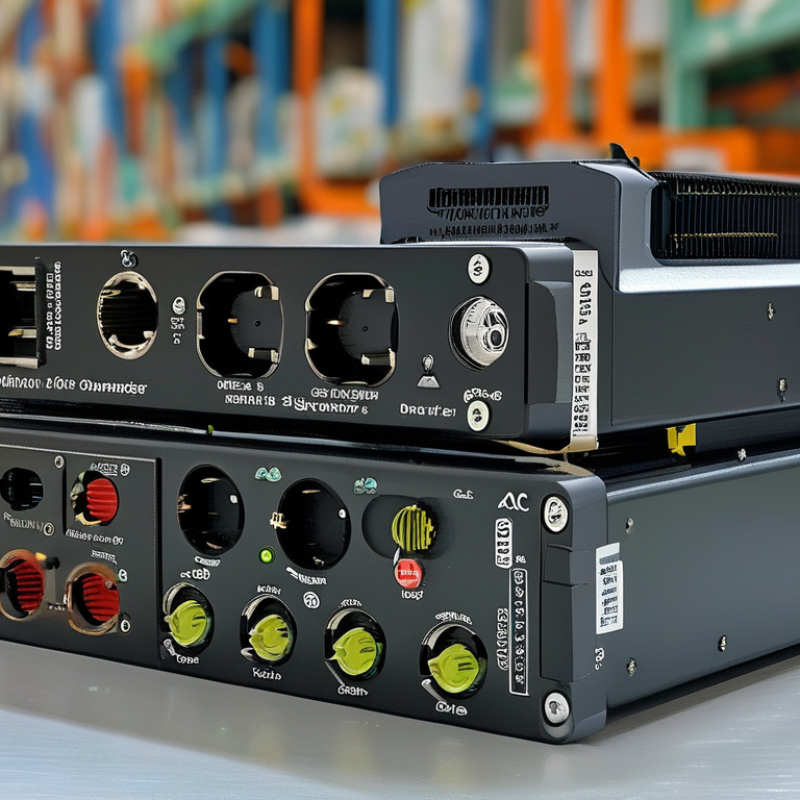
Top 10 AC DC Converter Options for Global Buyers Now
When looking for AC to DC converters, many variables come into play. The right converter can enhance efficiency and durability. It's essential to consider your specific needs. Voltage rating, output current, and efficiency levels require careful assessment. Finding the perfect fit ensures smoother operations.
Global buyers often face challenges. Different regions have unique electrical standards. Adapting to these can be confusing. Some converters may not support local voltages. Understanding power requirements is crucial. Researching options that accommodate your region will save time and frustration.
Some users report unreliable performance. Quality can vary significantly. It's vital to seek products with good reviews. Consulting with professionals can guide you. Awareness of common pitfalls leads to better choices. Mistakes in selection might cause losses or damage. This process needs careful consideration, not hasty decisions.
Understanding AC DC Converters: Types and Functionalities
AC DC converters are vital in modern electronics. They change alternating current (AC) to direct current (DC). This process is essential for various applications, including consumer electronics and industrial equipment. According to a recent market analysis, the global AC DC converter market is projected to reach $40 billion by 2025. Such growth indicates increasing reliance on efficient power conversion technologies.
There are several types of AC DC converters: linear, switch-mode, and isolated. Linear converters are known for low noise levels. However, they are less efficient than switch-mode converters. Research notes that switch-mode converters dominate the market due to their compact size and high efficiency. These converters can achieve efficiencies above 90% in some cases. They are ideal for devices that require reliable power without overheating.
Despite the technological advances, challenges remain. Some converters may suffer from electromagnetic interference. This can impact device performance in sensitive applications. Moreover, the diversity in input and output specifications complicates the selection process. Buyers must consider the specific needs of their applications to choose the right type. Understanding these functionalities helps in making informed decisions.
Key Features to Consider When Selecting an AC DC Converter
When selecting an AC-DC converter, key features play a vital role. Consider input voltage range first. A wide range ensures compatibility with various power sources. Look for converters that accept both low and high voltages. This flexibility is crucial for global use.
Output voltage stability is another critical aspect. You want stable performance, particularly in sensitive applications. Voltage fluctuations can harm electronic devices. A reliable converter minimizes such risks. Additionally, focus on efficiency ratings. Higher efficiency means less energy waste. This factor is particularly important for environmentally conscious buyers.
Size and design are not to be overlooked. A compact, lightweight unit can be beneficial in tight spaces. However, ensure it doesn’t compromise on performance. Durability also matters. Examine the materials used in construction. Quality materials can extend the life of the converter. Overall, these aspects require careful consideration to find the best option for your needs.
The Impact of Efficiency Ratings on AC DC Converter Performance
Efficiency ratings play a crucial role in determining the performance of AC-DC converters. They indicate how well a converter converts AC power to DC power. Higher efficiency ratings result in less energy wasted as heat. Many industry reports show that top-performing models can achieve efficiency ratings of 90% or higher. This significantly affects energy consumption in various applications.
A recent study highlights that poor efficiency can lead to increased operational costs. For instance, converters with a 70% efficiency can waste substantial energy over time. This waste translates to higher electricity bills and increased environmental impact. In contrast, a 90% efficiency model dramatically reduces energy loss, making it a smarter choice for businesses focused on sustainability.
Moreover, the right efficiency rating can enhance device longevity. Lower efficiency often causes overheating, leading to hardware failures. Consequently, choosing a converter with a high efficiency rating can reduce maintenance costs. A report by a leading energy authority emphasizes the ongoing shift toward energy-efficient devices in global markets. As consumer awareness grows, buyers are increasingly prioritizing efficiency in their purchasing decisions.
Price Comparisons: Budget-Friendly vs. Premium AC DC Converters
When it comes to selecting AC DC converters, budget often dictates choices. Many consumers lean towards budget-friendly options, thinking they’ll suffice for personal needs. However, these lower-priced converters sometimes lack durability and efficiency. For instance, they may overheat or produce inconsistent output, leading to device malfunctions.
On the other hand, premium AC DC converters come at a higher price point. They typically offer superior build quality and better performance. Buyers can expect longer lifespans, reliable voltage regulation, and fewer failures. Yet, the high cost can be daunting for some. Are they truly worth the investment? It hinges on usage requirements and frequency of use. Those who rely heavily on these converters for critical devices may find that the premium features justify the expense.
Interestingly, the gap between budget and premium options raises questions about what consumers really need. Some may end up purchasing a more expensive converter just for peace of mind. Others might find that a simpler, budget-friendly option meets their expectations. It’s essential to evaluate personal or professional needs carefully and make informed choices based on both price and performance expectations.
Global Market Trends: The Future of AC DC Converter Technology
The future of AC DC converter technology is promising and dynamic. As global markets evolve, the demand for efficient power conversion increases. Companies strive to create devices that save energy and reduce costs. This trend is evident in smarter designs and advanced materials. Innovations in semiconductor technology are enhancing performance and reliability.
One area of focus is miniaturization. Smaller converters are becoming essential in various applications. They occupy less space and meet modern aesthetic demands. However, there are challenges. Smaller devices can generate more heat. Managing thermal issues is critical. Different cooling techniques are being explored.
Sustainability is another crucial trend. Eco-friendly materials are gaining traction. The need for greener solutions has never been more pressing. Buyers are increasingly aware of environmental impact. They seek products that align with sustainability goals. This movement signals a shift in market priorities. Balancing performance and environmental concerns is a complex task for manufacturers.
Top 10 AC DC Converter Options for Global Buyers Now
| Model |
Input Voltage Range (V) |
Output Voltage (V) |
Output Power (W) |
Efficiency (%) |
Key Features |
| Model A |
85-265 |
5 |
30 |
90 |
Compact design, Overload protection |
| Model B |
100-240 |
12 |
50 |
92 |
LED indicators, Short-circuit protection |
| Model C |
90-265 |
24 |
60 |
88 |
High reliability, Wide operating temperature |
| Model D |
80-270 |
15 |
40 |
91 |
Compact size, High efficiency |
| Model E |
100-240 |
19 |
75 |
93 |
Safety certified, Fast response time |
| Model F |
85-265 |
48 |
100 |
89 |
Built-in cooling, Low noise operation |
| Model G |
90-265 |
36 |
80 |
92 |
Multiple output options, User-friendly design |
| Model H |
100-220 |
30 |
50 |
90 |
Lightweight, Easy installation |
| Model I |
80-260 |
15 |
25 |
94 |
Low power consumption, Minimal heat generation |
| Model J |
85-265 |
24 |
85 |
91 |
Energy efficient, Robust construction |
FAQS
There are three main types: linear, switch-mode, and isolated. Each type has its own advantages and drawbacks.
Switch-mode converters are compact and highly efficient. They can achieve efficiencies above 90%. Linear converters are less efficient.
Many converters suffer from electromagnetic interference. This can affect performance in sensitive applications. Some converters also have complicated specifications.
Key features include input voltage range, output stability, efficiency ratings, size, and durability. Each plays an important role in performance.
While they may save money, budget options often lack durability and efficiency. They can lead to overheating and device malfunctions.
Premium converters generally offer better build quality and reliability. For critical devices, these features may justify the higher price.
Consider your usage frequency and performance expectations. Balance price with features to find what truly meets your requirements.
Some converters are designed for global use, accepting both low and high voltages. Flexibility is essential for compatibility.
A compact design is beneficial for limited spaces. However, ensure that compactness does not compromise performance or durability.
Conclusion
The article "Top 10 AC DC Converter Options for Global Buyers Now" offers a comprehensive overview of the various types and functionalities of AC DC converters, catering to the needs of global buyers. It discusses essential features to consider when selecting an AC DC converter, emphasizing the importance of efficiency ratings that significantly impact overall performance.
Additionally, the article provides a comparative analysis of price ranges, highlighting budget-friendly options alongside premium products, thereby aiding consumers in making informed decisions. Lastly, it explores current global market trends and the future of AC DC converter technology, illustrating how advancements are shaping the industry. Overall, this article serves as a valuable guide for anyone looking to understand and select the best AC DC converter for their specific requirements.

 EVS Powers