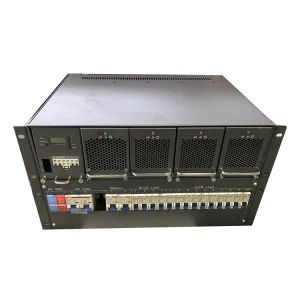
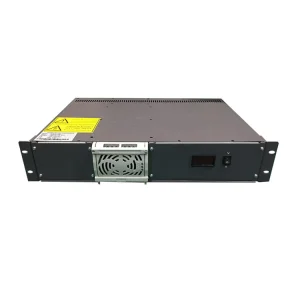
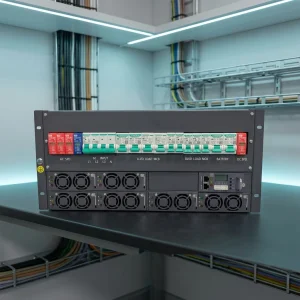
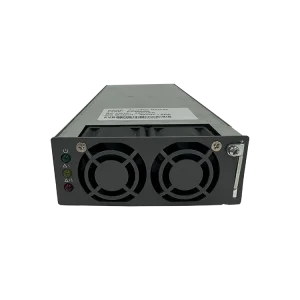
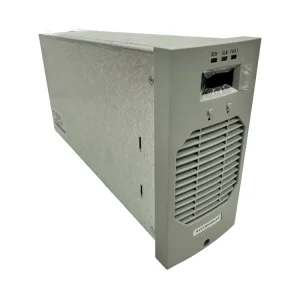
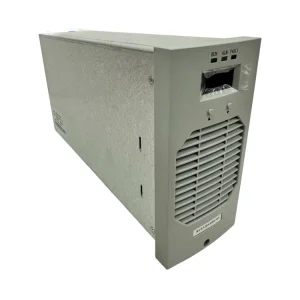
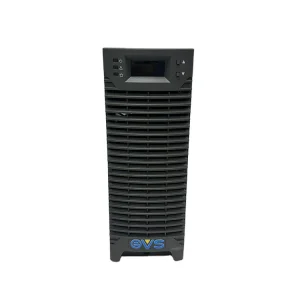
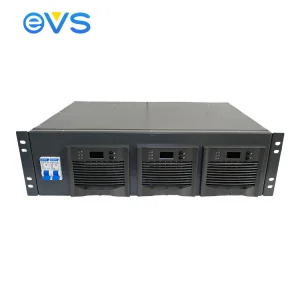
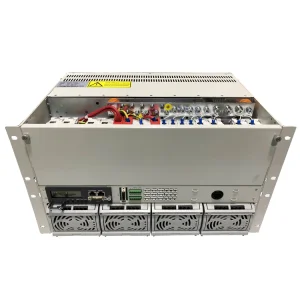
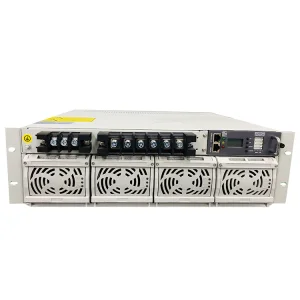
Engineered for high grid reliability, telecommunications infrastructure, and utility substations across Switzerland.
As Switzerland pushes forward with its Energy Strategy 2050, the country is progressively replacing nuclear power with decentralized renewable sources, particularly Alpine photovoltaics and hydropower. This massive structural transition requires an unprecedented level of grid modernization. In centralized and decentralized switchgear, substation control systems, and transmission networks, 110VDC (Direct Current) power systems act as the ultimate line of defense.
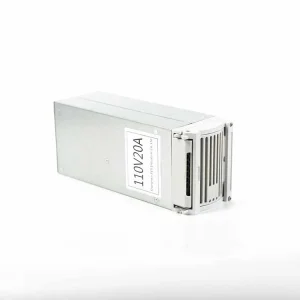
A reliable 110VDC supply is critical because it powers the protective relays, circuit breakers, and SCADA monitoring systems that safeguard high-voltage infrastructure. Should a main AC grid failure occur, the 110VDC rectifiers, integrated with high-capacity battery systems, must transition seamlessly to backup battery power without a single millisecond of interruption. At Guangzhou EVS Powers Co., Ltd., we customize and manufacture industrial-grade 110VDC electric rectifiers that comply fully with Swiss safety regulations, offering Swiss engineers superior efficiency, high MTBF, and advanced digital integration.
Swiss electrical infrastructure operates in some of the world's most demanding physical terrains, including deep sub-surface railway tunnels, high-altitude alpine dams, and high-density financial data centers in Zurich and Geneva. These installations demand:
Empirical data highlighting our manufacturing standards, efficiency levels, and global deployment metrics.
Across the globe, industrial facilities are moving away from traditional thyristor-based analog rectifiers toward high-frequency switch-mode power supply (SMPS) systems. Modern SMPS systems, particularly those operating on Texas Instruments' digital signal processing (DSP) control loops, offer significant advantages:
Traditional analog systems suffer from component aging drift. DSP systems rely on high-speed microcontroller computations, adjusting duty cycles dynamically in real time to stabilize voltage and mitigate harmonics.
By implementing Resonant Soft-Switching (LLC topology), switching losses are reduced to near zero. Under Swiss carbon-tax guidelines, upgrading to 95% efficiency yields substantial operational cost savings.
Maintenance windows in critical utilities are non-existent. Redundant N+1 modular systems allow technicians to swap faulty rectifier modules without shutting down the system or dropping the load.
1. Alpine Hydropower Generation: Hydro installations require robust control circuitry. Our 110VDC rectifiers are sealed and conformally coated (using automated glue-filling machines) to resist high ambient moisture, condensation, and temperature swings (-20°C to +60°C).
2. Swiss Railway & Rolling Stock Grid Protection: SBB railway substations deploy 16.7 Hz and 50 Hz AC feeds. Our rectifier modules handle wide input voltage variations (typically 180V AC to 400V AC or three-phase configurations) and convert it into low-ripple 110VDC to protect signal installations.
3. Smart Grid Substation Integration: Built-in SNMP v2/v3 and RS485 Modbus communications enable seamless telemetry links back to Swiss power distribution operation centers, reducing the need for costly physical site inspections.
Located in the international trade hub of Guangzhou, China, EVS Powers leverages the world's most integrated electronics supply chain. By pairing this geographical advantage with our strict manufacturing processes, we deliver Swiss-tier quality at highly competitive global price points.
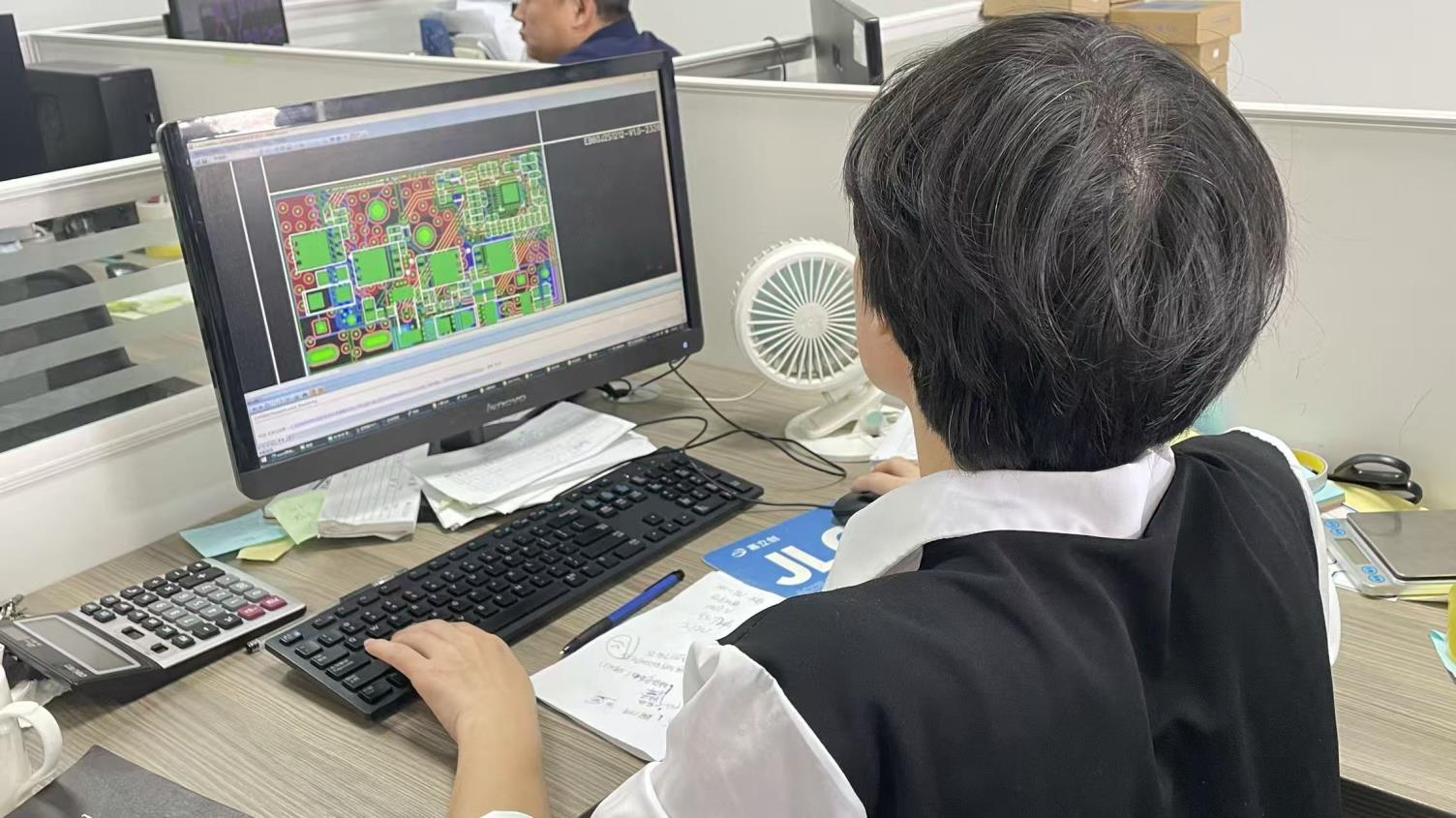
Our facility implements advanced automation at every level, from automated winding machines to precision laser engraving and high-throughput robotic assembly lines. Every rectifier unit leaving our factory undergoes a rigorous quality control path: automated plug-in check, wave soldering inspection, dual-stage functional testing, protective glue filling, and an extended 72-hour full-load thermal burn-in test.
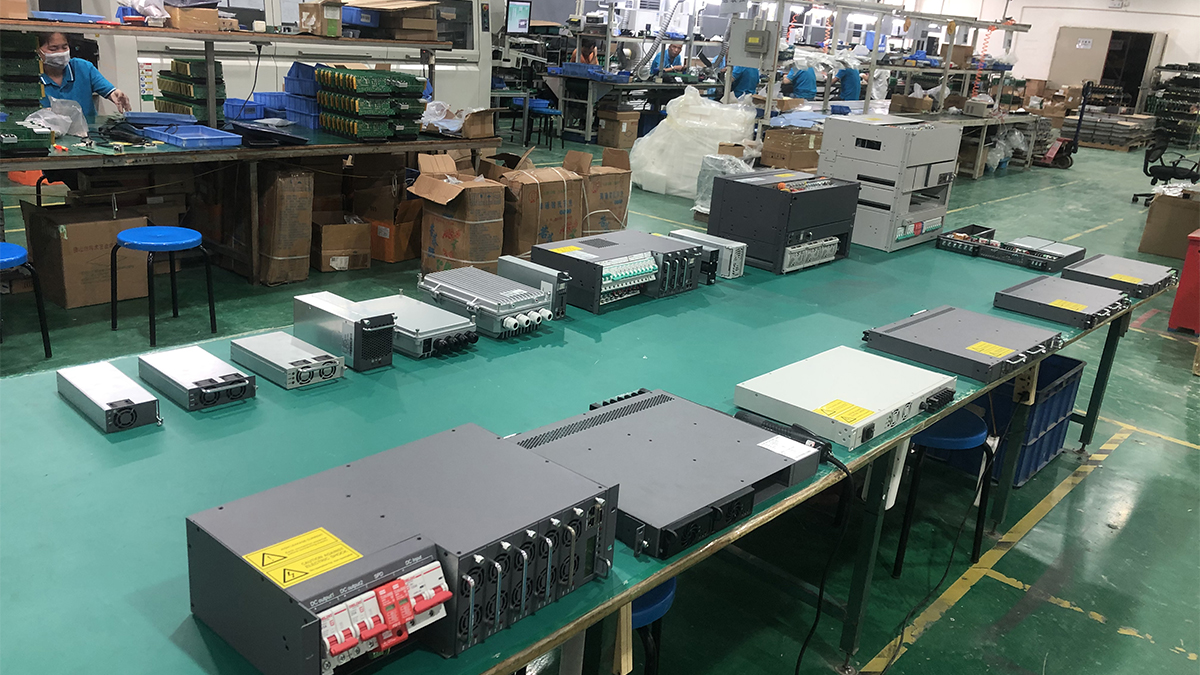
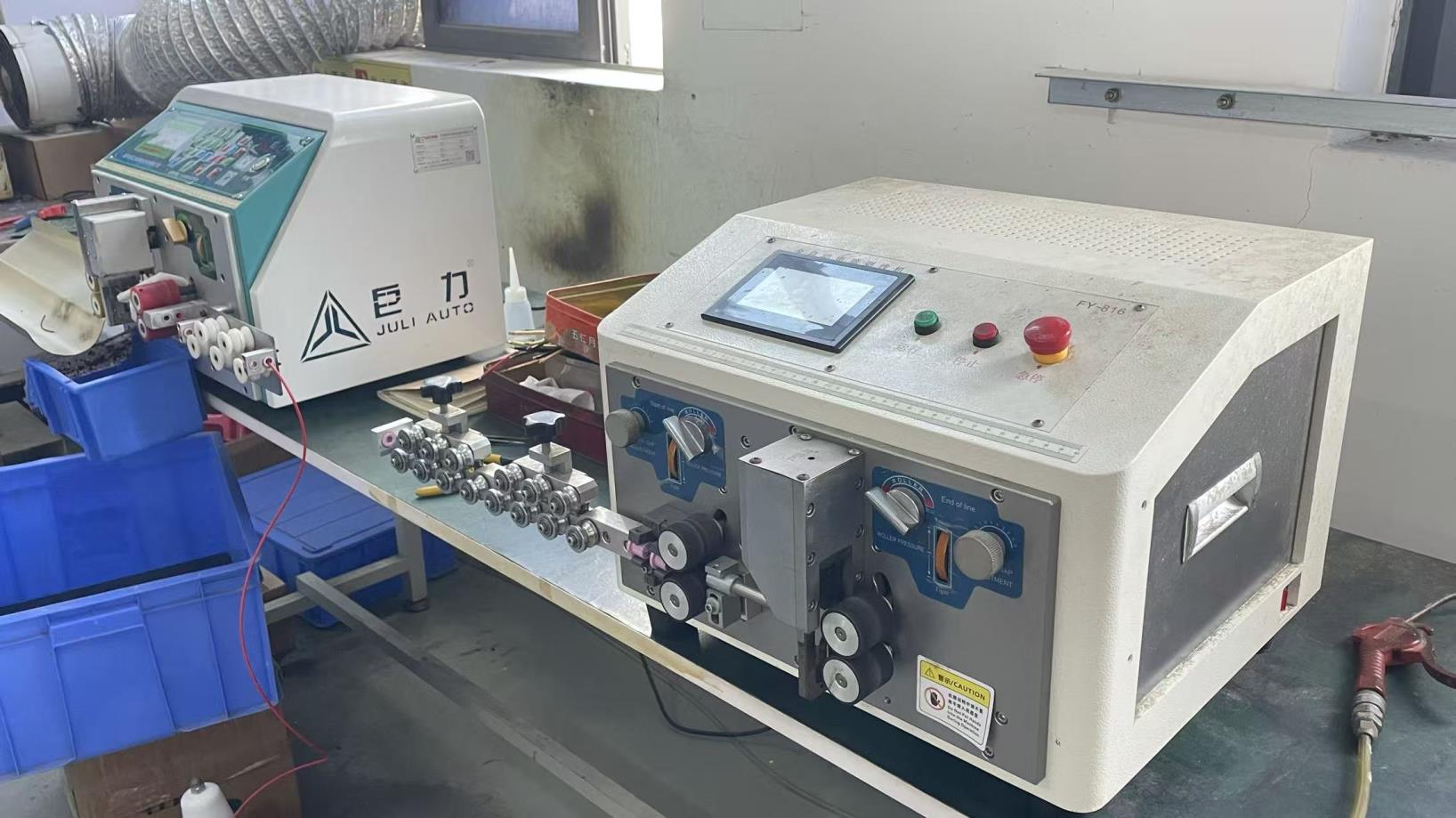
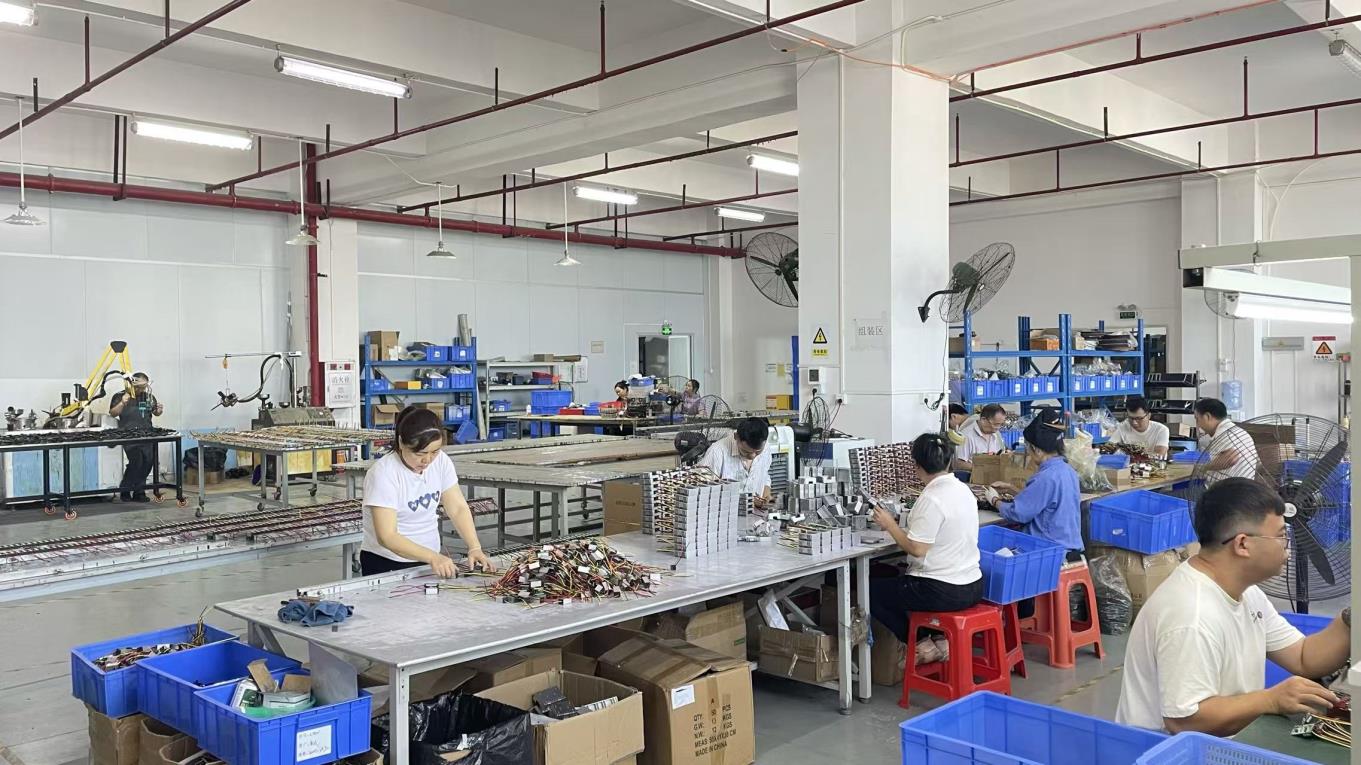

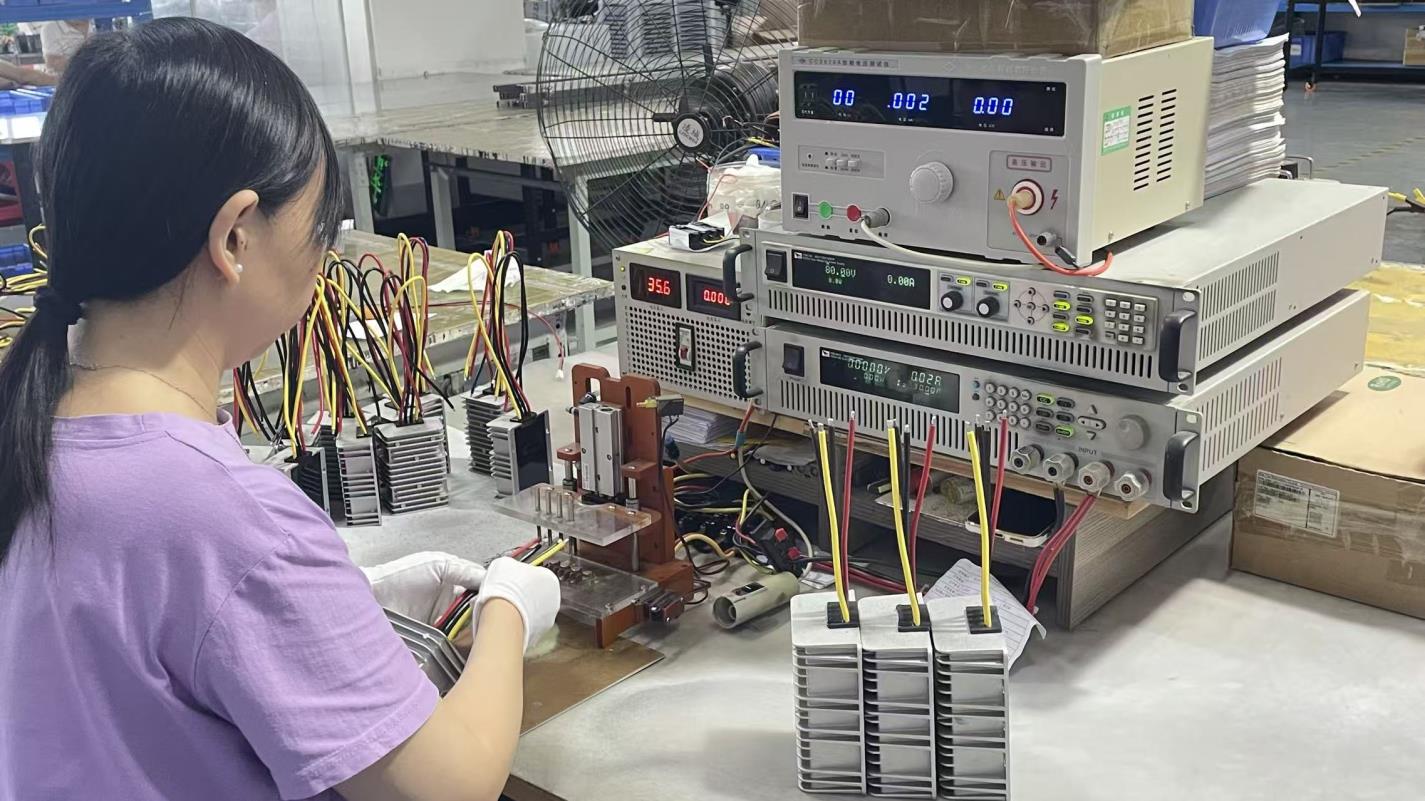
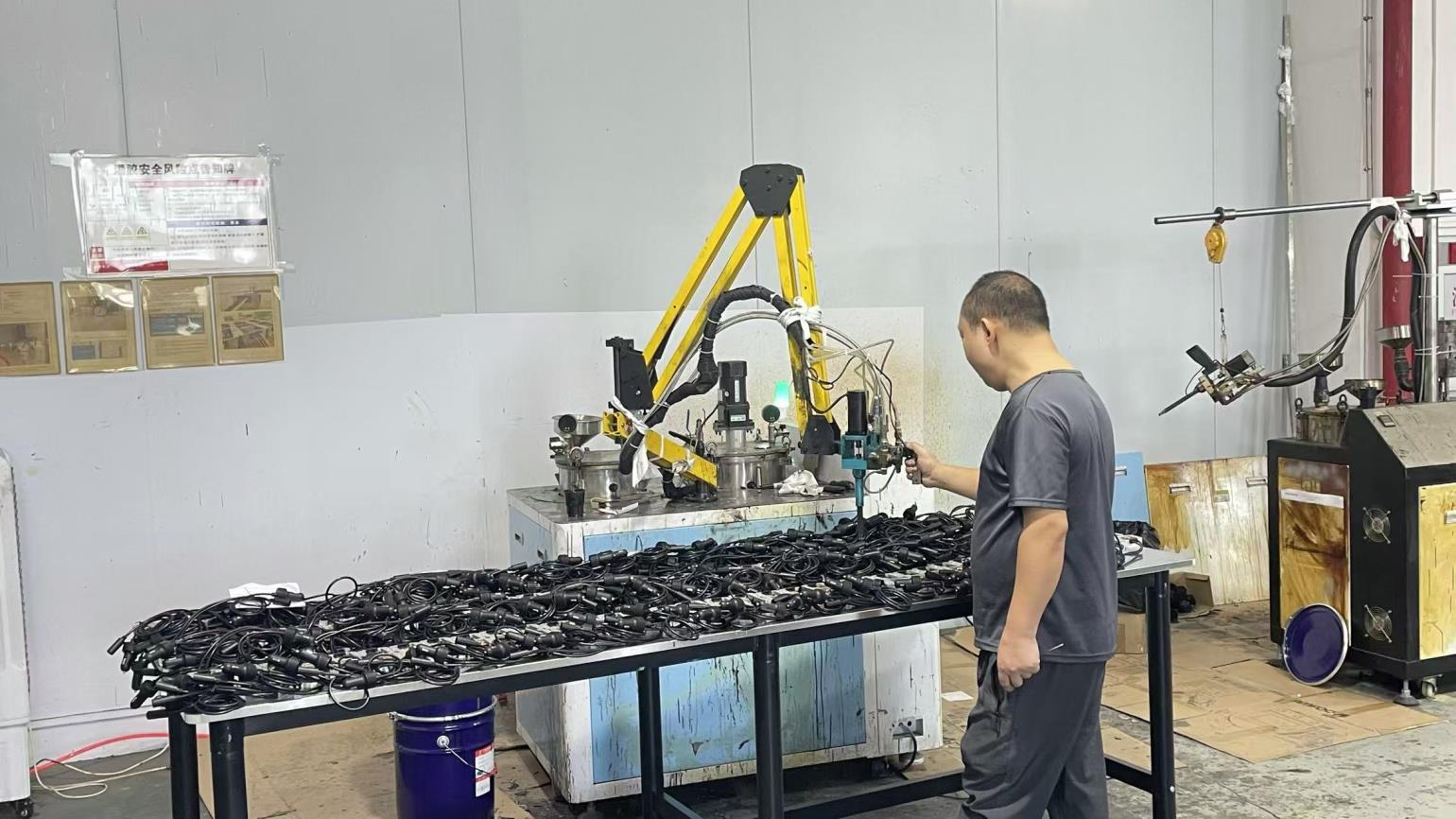
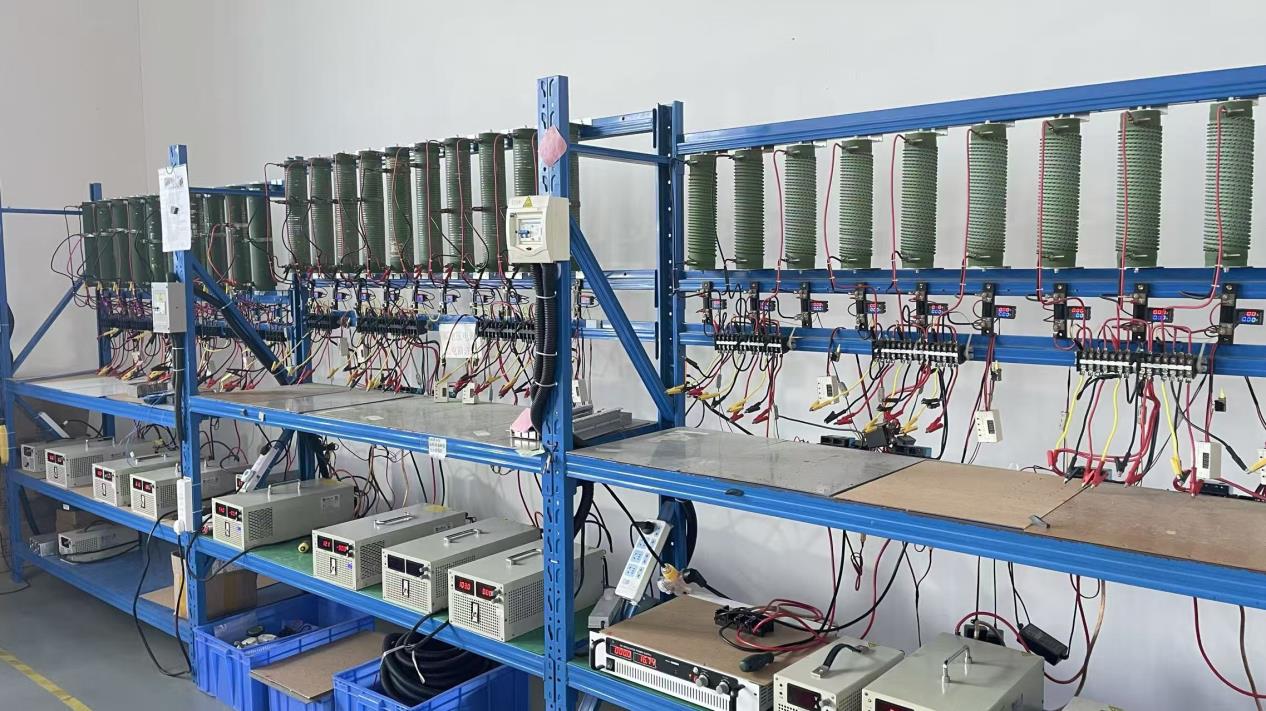
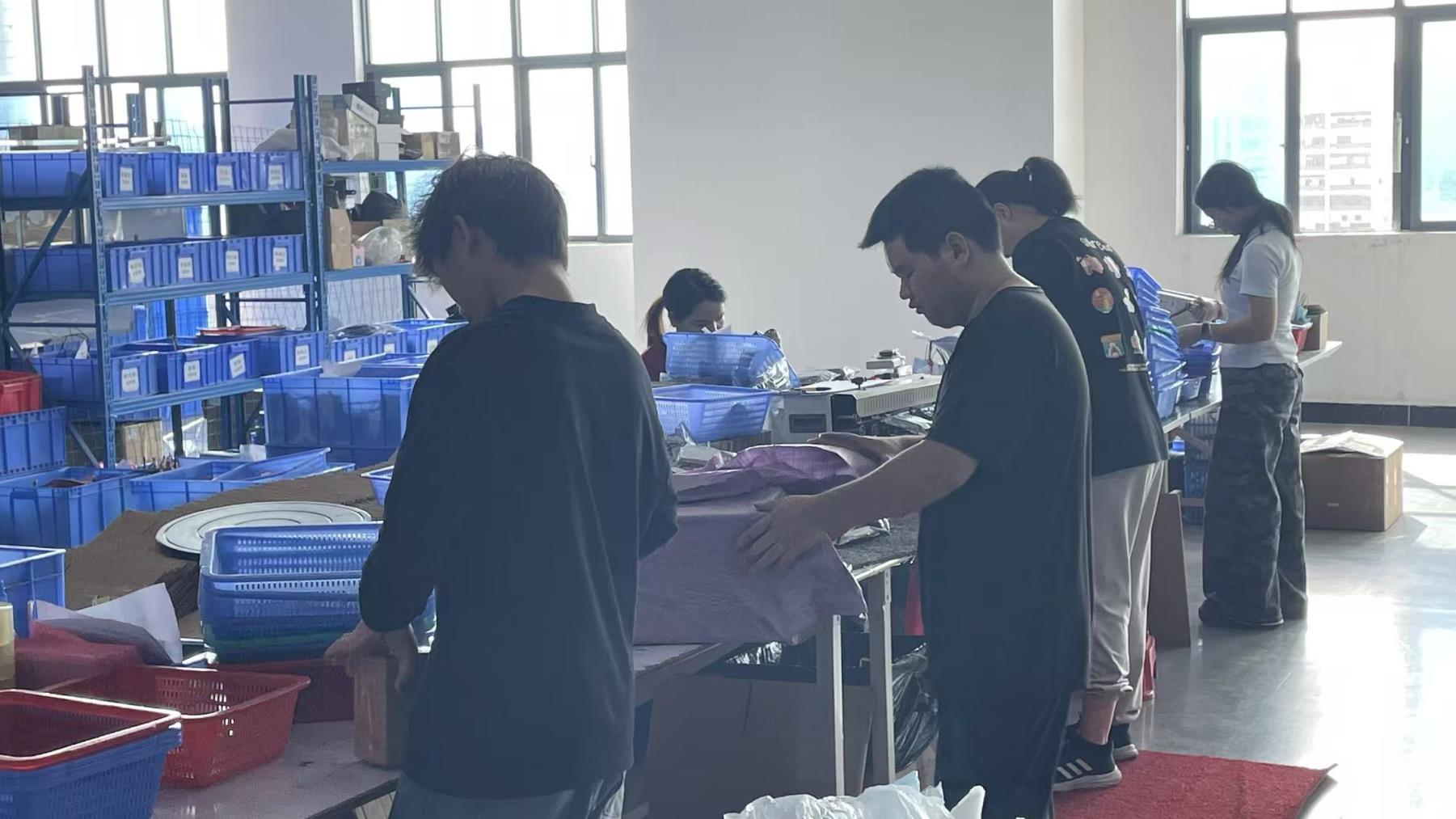
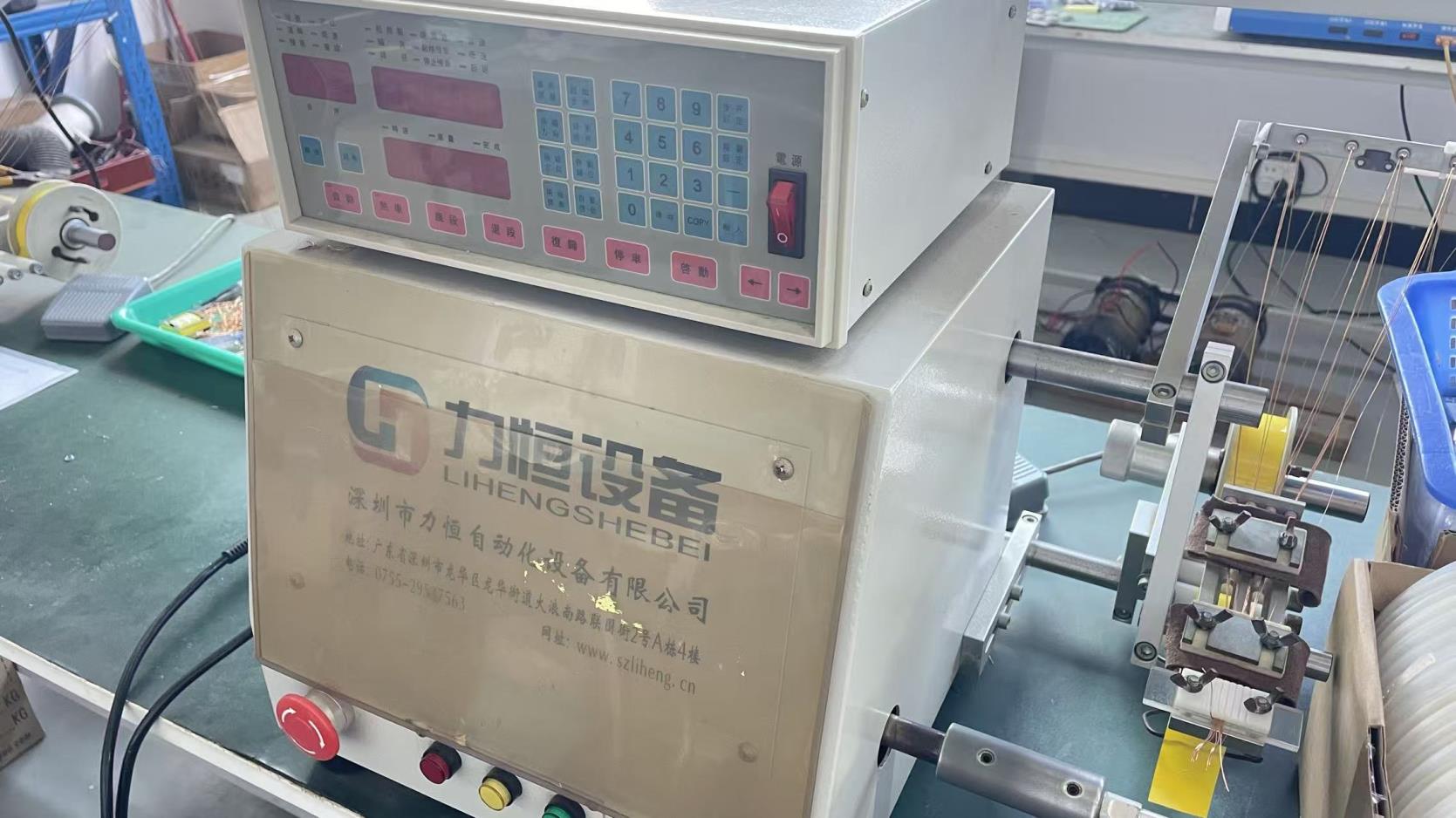
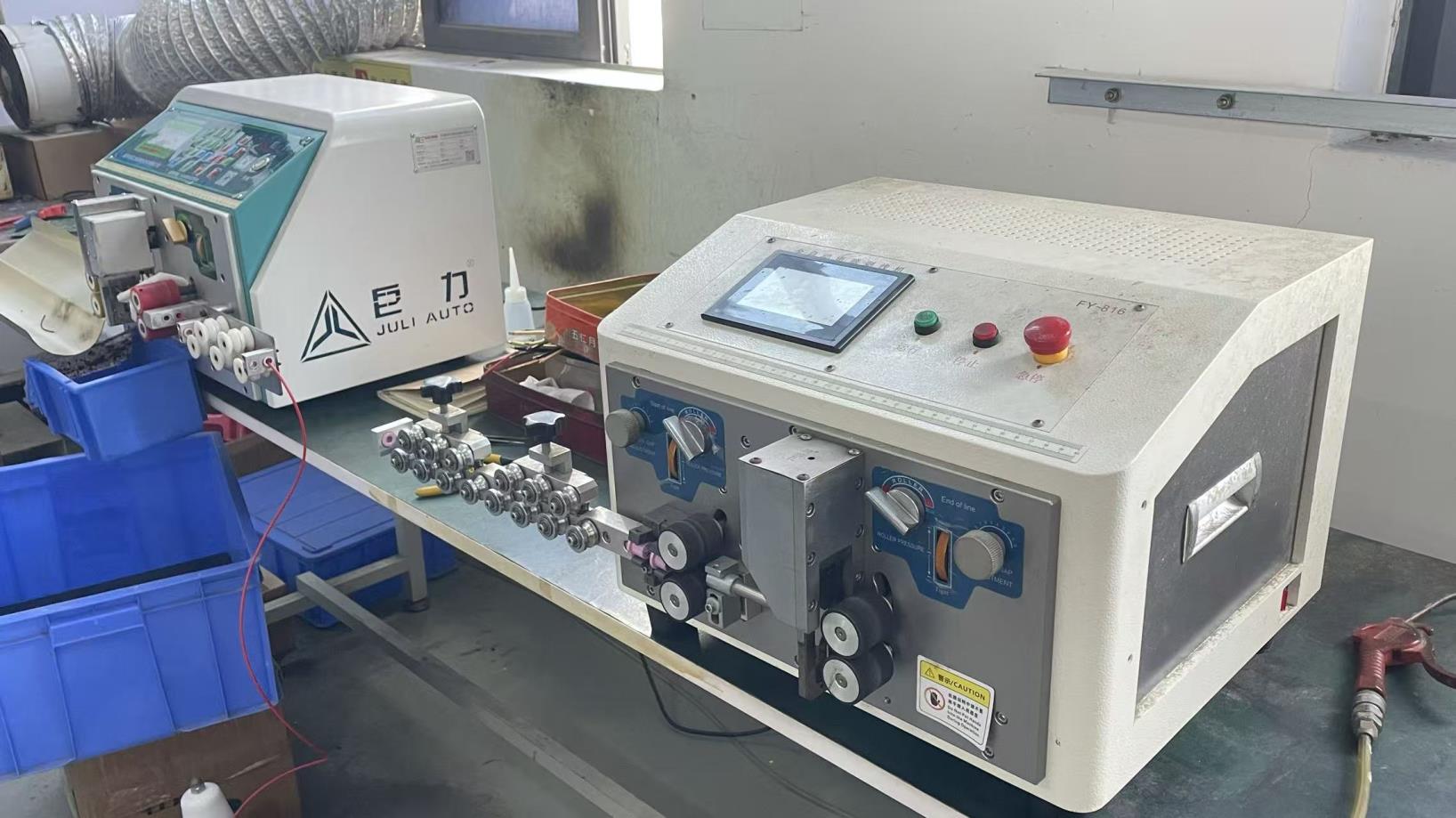


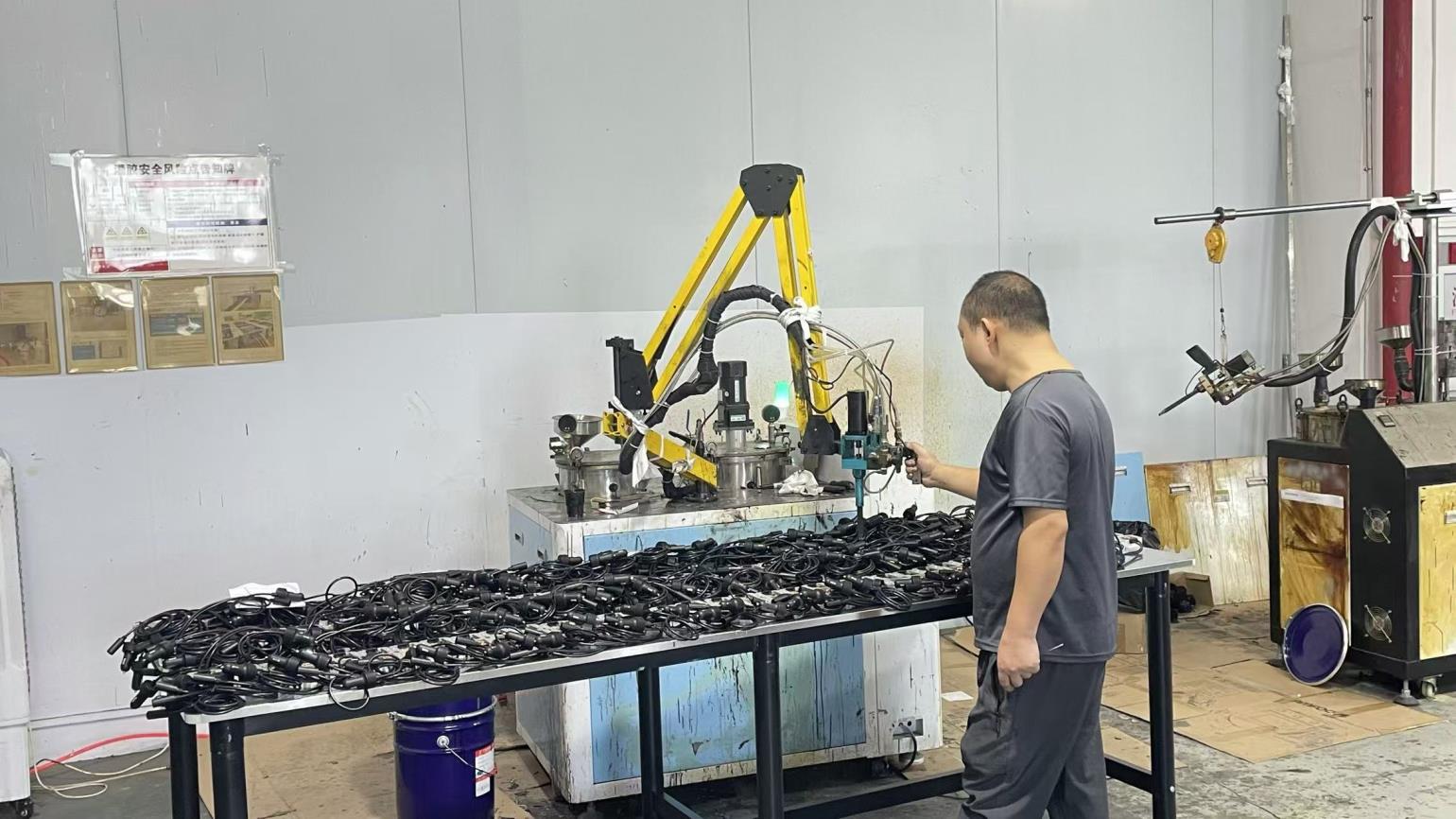
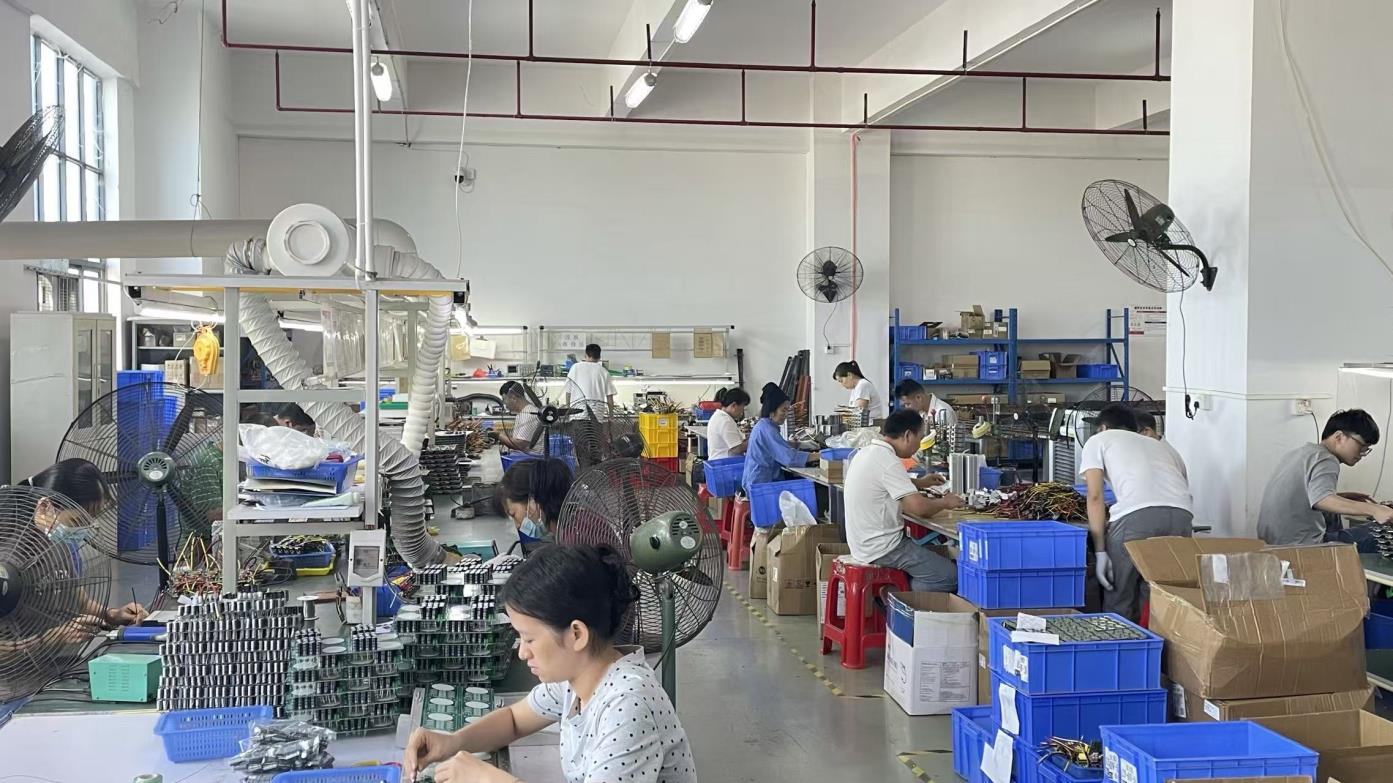
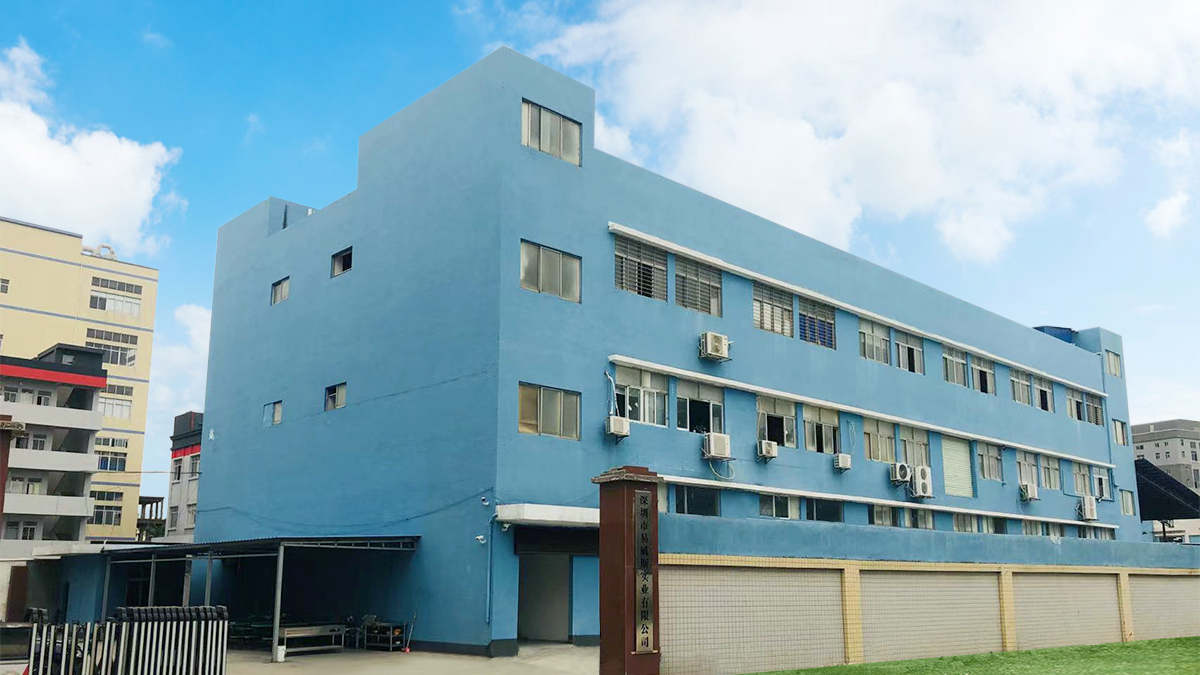
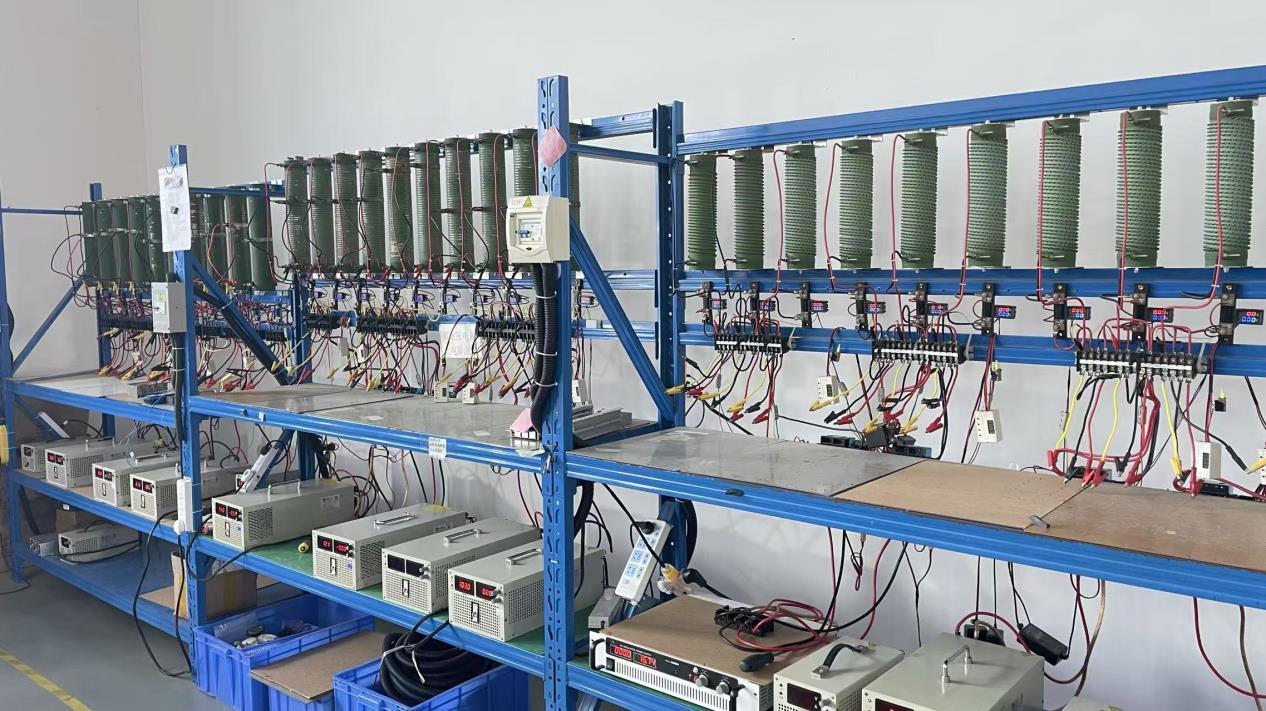
Reliability is not claimed; it is verified. At Guangzhou EVS Powers Co., Ltd., we have established a testing laboratory containing state-of-the-art diagnostic equipment. This enables our design and quality assurance teams to subject our 110VDC rectifiers to test regimes simulating severe field faults, thermal extremes, and mains fluctuations.
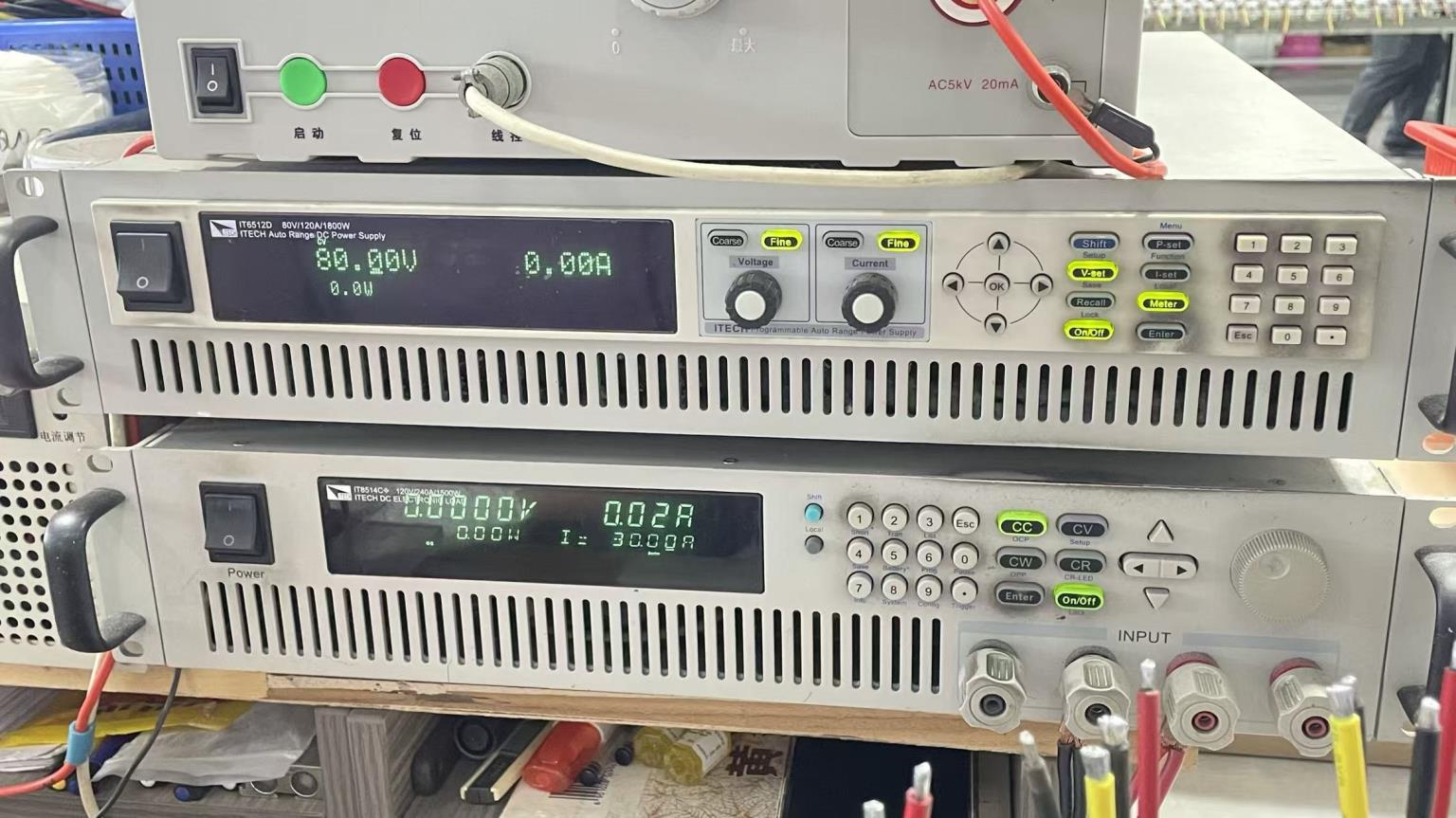
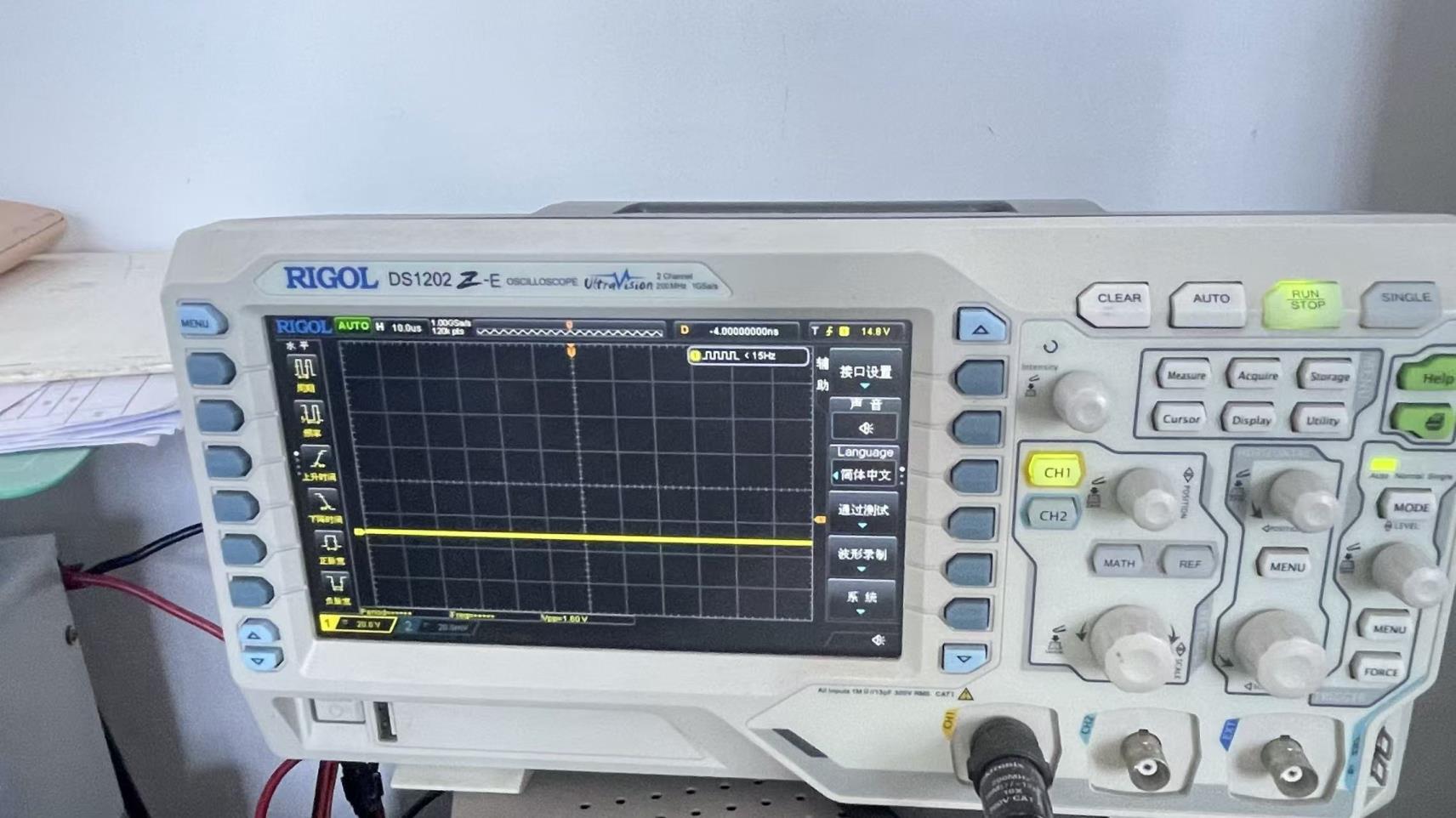
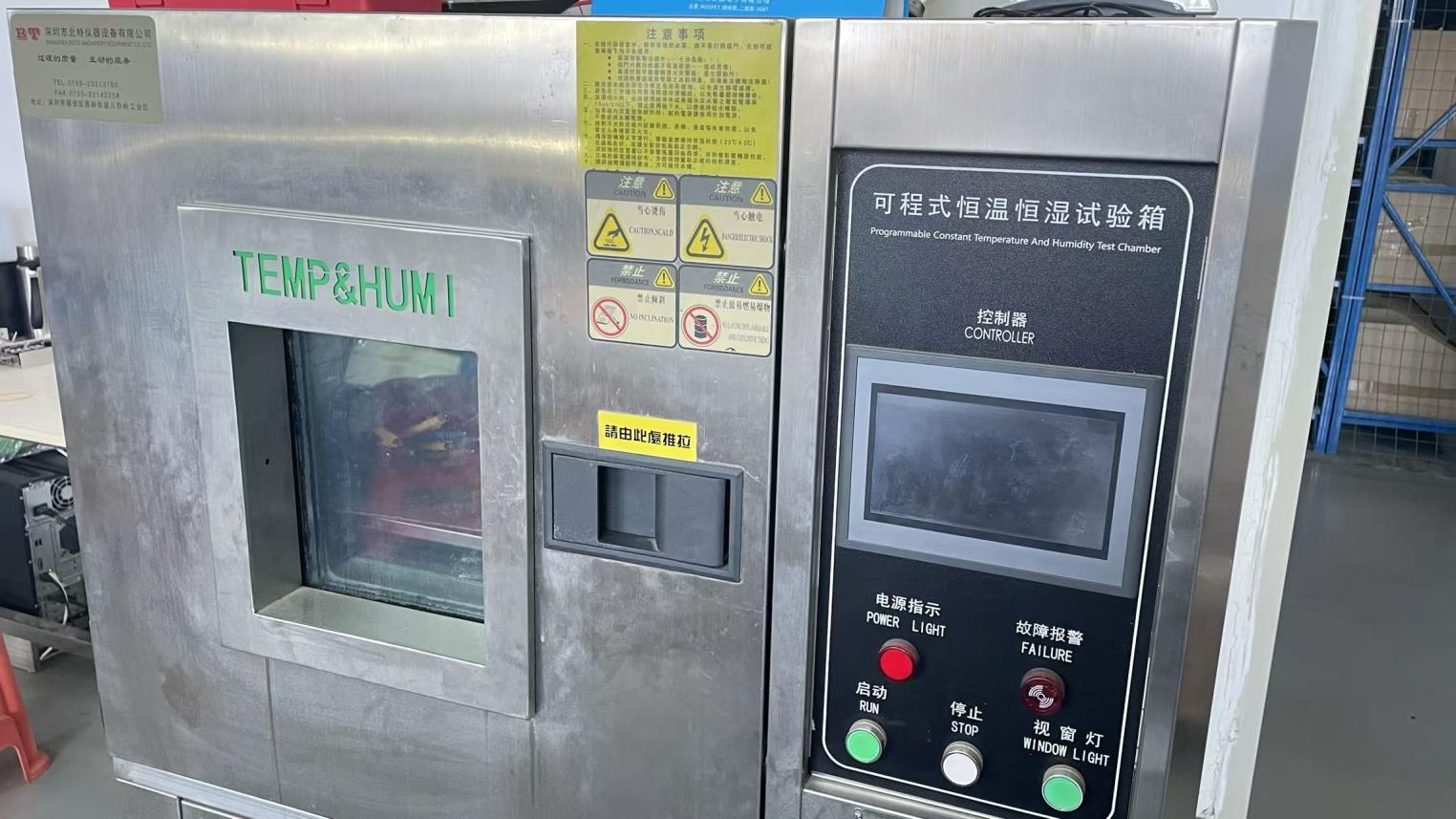
This comparison shows how modern DSP-controlled high-frequency switching technology compares with older industrial thyristor models.
| Parameters & Features | EVS High-Frequency Modular Rectifier | Legacy Thyristor (SCR) Rectifier | Swiss Market Benefit |
|---|---|---|---|
| Electrical Conversion Efficiency | 93.2% - 95.5% | 80% - 85% | Reduces auxiliary power costs in Swiss datacenters |
| Output DC Ripple | < 0.5% RMS (V/V) | > 2.0% RMS | Protects sensitive electronic relays and SCADA boards |
| Response Time | < 2 milliseconds (dynamic response) | 100 - 200 milliseconds | Prevents relay tripping during sudden grid drops |
| Maintenance Architecture | Modular (Hot-Swappable) | Monolithic (Requires downtime) | Allows 24/7 continuous operations with zero downtime |
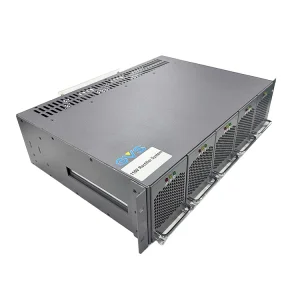
| Weight and Dimension Footprint | 1U/2U Rack Mount, Lightweight | Heavy, bulky cabinet systems | Saves space in space-constrained Alpine power stations |
Explore our highly integrated range of battery chargers, power supply cabinets, and customizable converters.
Direct technical answers to questions frequently asked by electrical design engineers, procurement heads, and plant operators.
110VDC is chosen primarily due to the physical distance between the central battery room and remote switchyard circuit breakers. High-voltage breakers require massive surge currents to trip safely. Under lower voltages (like 24VDC or 48VDC), voltage drop along long cables would reduce the terminal voltage at the tripping coil, risking failure to trip. 110VDC balances safety, cable cost, and minimal voltage drop while lowering current requirements for equivalent power delivery.
Our rectifiers are designed in compliance with CE directives and EN standards (specifically EN 61000-6-2 for industrial immunity and EN 61000-6-4 for industrial emissions). We integrate multi-stage EMI filters on both the input AC and output DC stages to prevent high-frequency noise from feeding back into the Swiss grid or interfering with nearby communication links.
For cold, high-condensation alpine environments, we utilize automated glue-filling processes to apply protective conformal coatings to the PCB assemblies. Thermal management is handled by speed-controlled, ball-bearing fans that adjust cooling airflow according to load and internal heat dissipation. This prevents freezing at low loads and overheating at full capacities.
Yes. Our digital control boards support Modbus RTU via RS485 and SNMP (v1/v2c/v3) via Ethernet ports. This dual interface allows compatibility with older serial-line RTUs (Remote Terminal Units) and modern TCP/IP network interfaces without external converters.
We provide full design customization. This includes custom cabinet layouts, non-standard output voltages (such as 125VDC or 150VDC), specific battery temperature compensation curves, and integrated distribution panels featuring custom circuit breakers. Please contact our engineering division via our inquiry channel with your specifications.
Request pricing, custom dimensions, or dynamic test reports for Swiss compliance validation.
Send Inquiry Now EVS Powers