EVS Powers
1 / 5


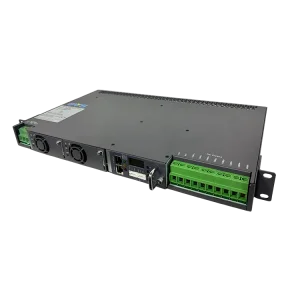
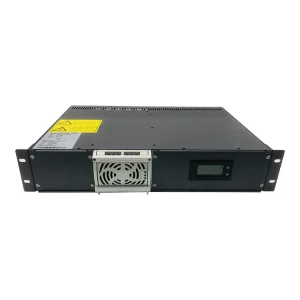
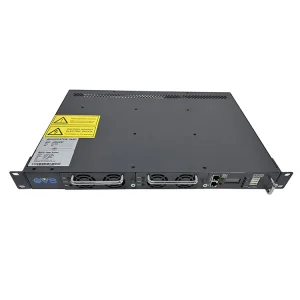
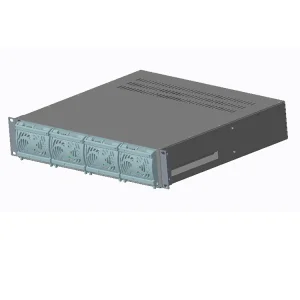
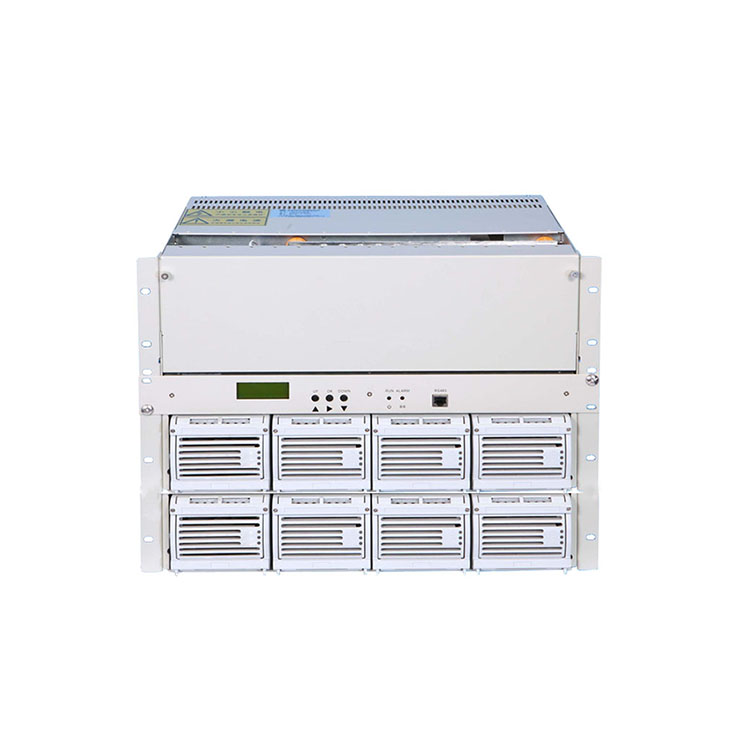
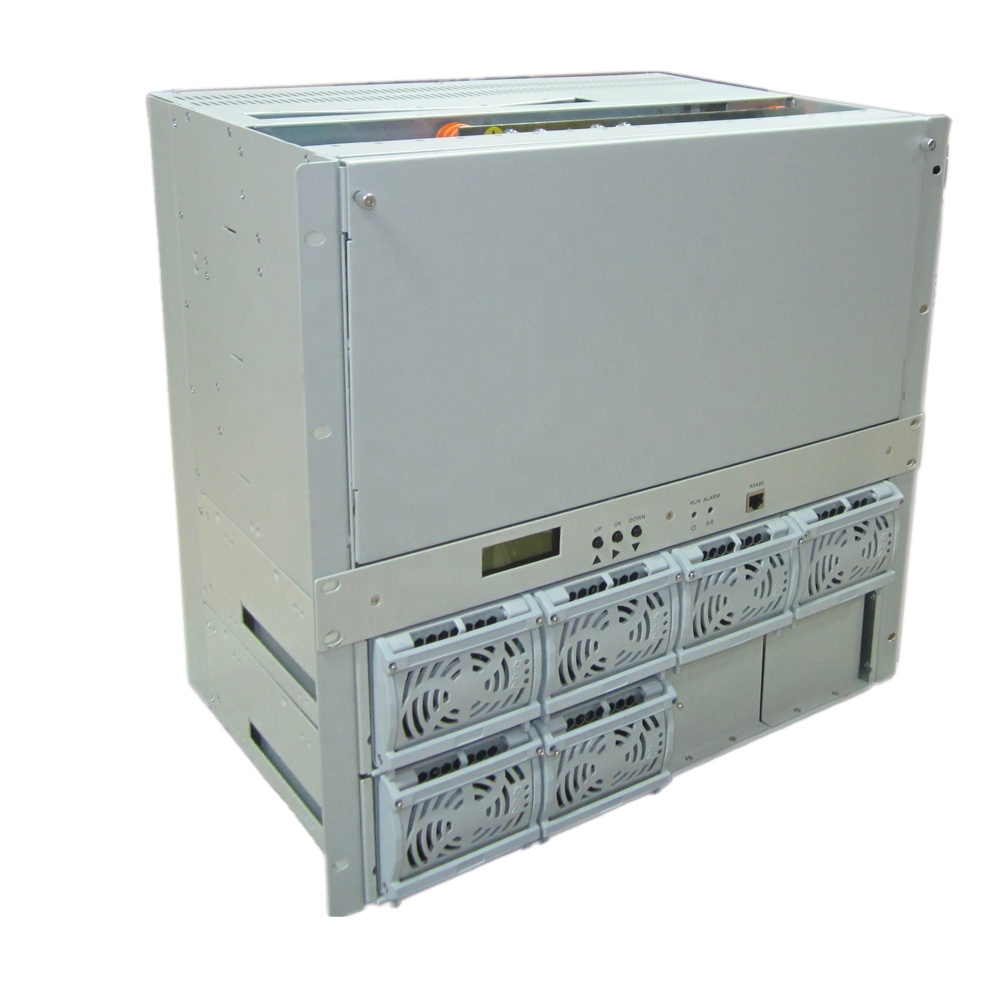
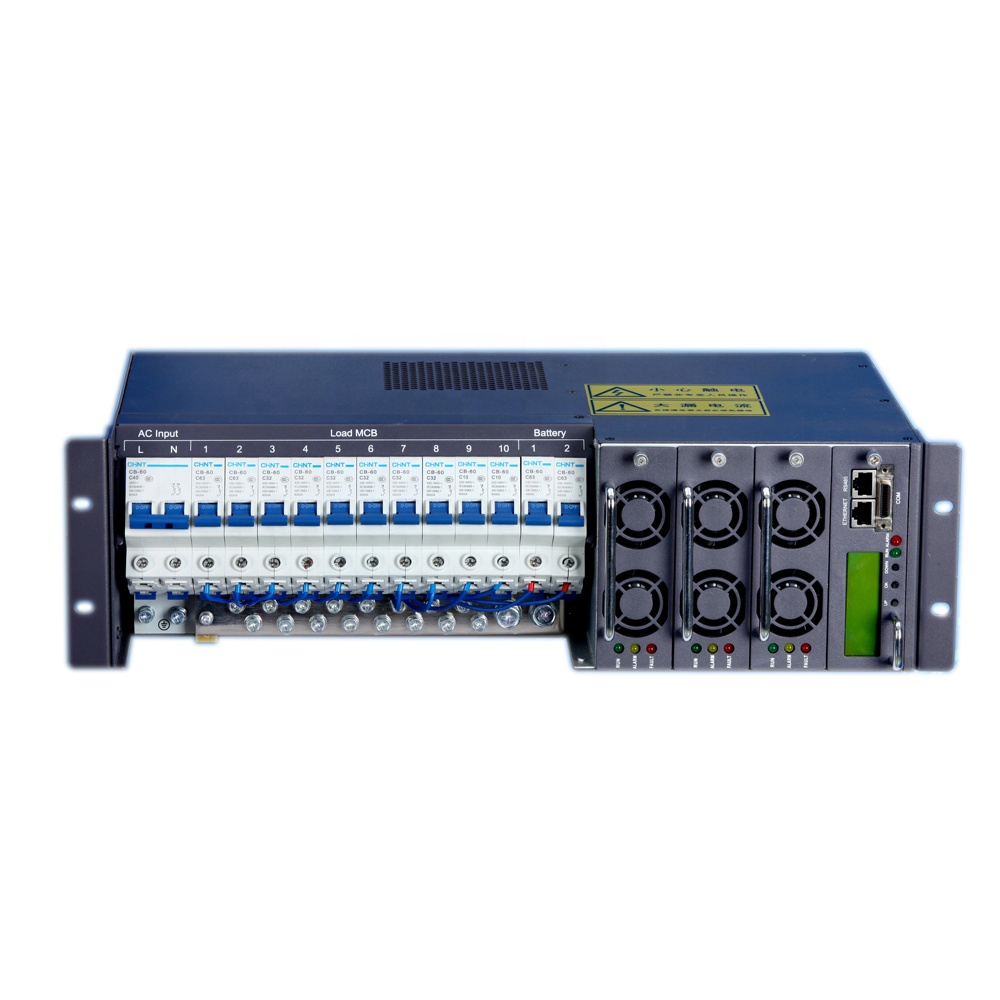
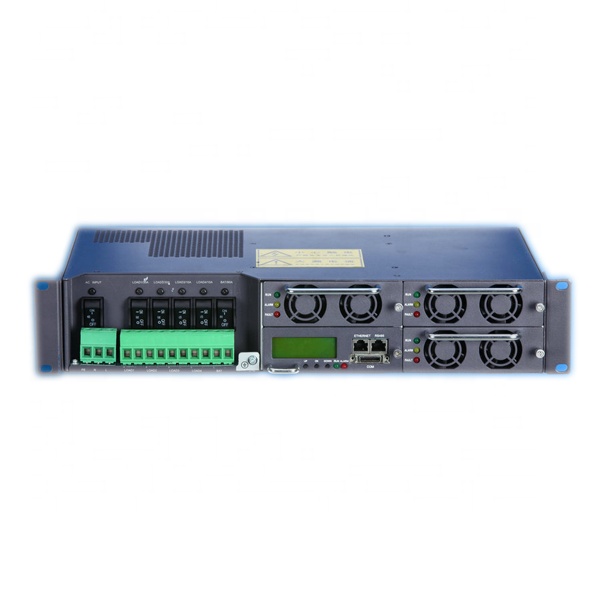
Intelligent high-frequency switching power supplies, as relay protection devices and control circuit devices, provide strong guarantees for the reliability of power supply in daily life and production. They can also serve as backup power when the mains power supply is interrupted, making them a crucial component for ensuring power quality. They feature highly flexible combination and autonomous monitoring, and also boast advantages such as high reliability, good stability, small size, low noise, energy efficiency, and convenient maintenance.
Intelligent high-frequency switching power supplies are high-tech products integrating computer technology, control technology, and communication technology, enabling automatic system diagnosis, automatic testing, and automatic control. This article mainly describes the design scheme of the rectifier module of an intelligent high-frequency switching power supply.
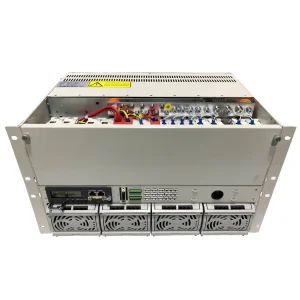
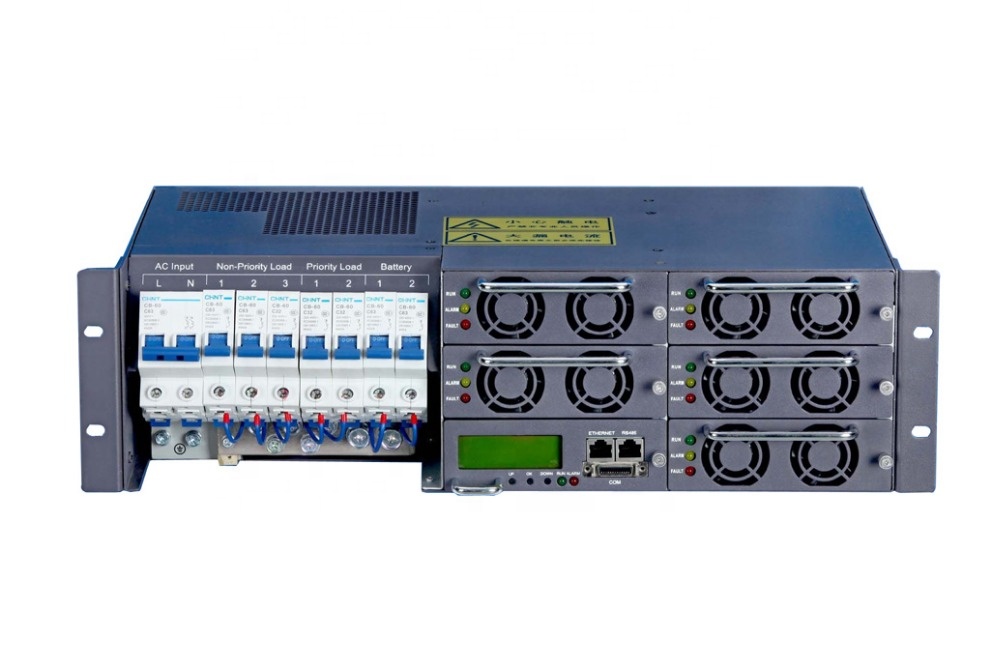
The overall structure of the intelligent high-frequency switching power supply system mainly consists of a main monitoring unit, a power distribution module, an AC power distribution unit, and a rectifier module. The overall system structure diagram is shown in Figure 1. Each monitoring unit in the system is managed and controlled by the main monitoring unit, and the information collected by each monitoring unit is sent to the main monitoring unit for unified management via communication lines. The main monitoring unit displays various DC system information, and users can also query information and operate the system via a touch screen. System information can also be connected to a remote monitoring system. In addition to basic units such as AC monitoring, DC monitoring, and switch quantity monitoring, the system is also equipped with functional units such as insulation monitoring, voltage reduction devices, and battery inspection to achieve comprehensive monitoring of the DC system.
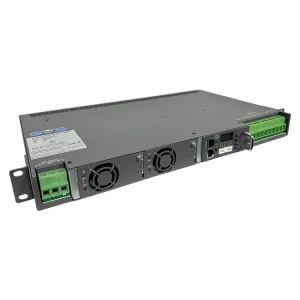
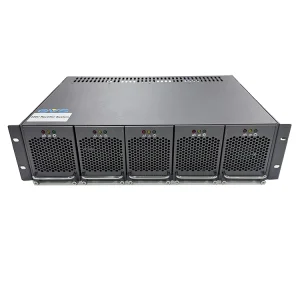
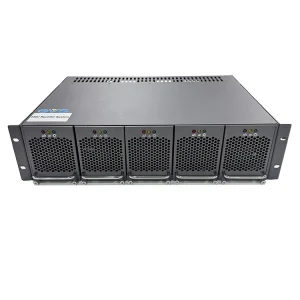
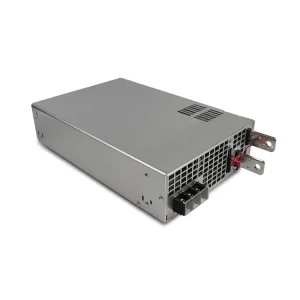
The rectifier module is a crucial component of the intelligent high-frequency switching power supply system, affecting the system's DC voltage output and its stability during operation. This paper focuses on improving and refining the module's rectification principle. Utilizing the principles of passive PFC and DC/DC converters, the improved module effectively performs rectification.
During operation, the rectifier module first processes the input three-phase AC through lightning protection and filtering to ensure the safety of subsequent circuits. After rectification and passive PFC, the three-phase AC is converted into high-voltage DC. This high-voltage DC is then converted again into a variable DC voltage output by a DC/DC converter. Furthermore, the module's control section is responsible for overvoltage, overcurrent, and short-circuit protection to ensure output voltage stability and protect various components of the module. The module also provides four remote interfaces (remote control, remote adjustment, remote measurement, and remote signaling) for remote monitoring.
| Optional configuration | Rectifier module | Module maximum number of optional | Distribution | Monitoring module | Remark |
|---|---|---|---|---|---|
| Configuration | 30A or 50A | 1-8pcs | AC distribution: AC220V 380V input, Load output:30A-400A |
Monitor | Specific index refer to module specif |