EVS Powers
1 / 5
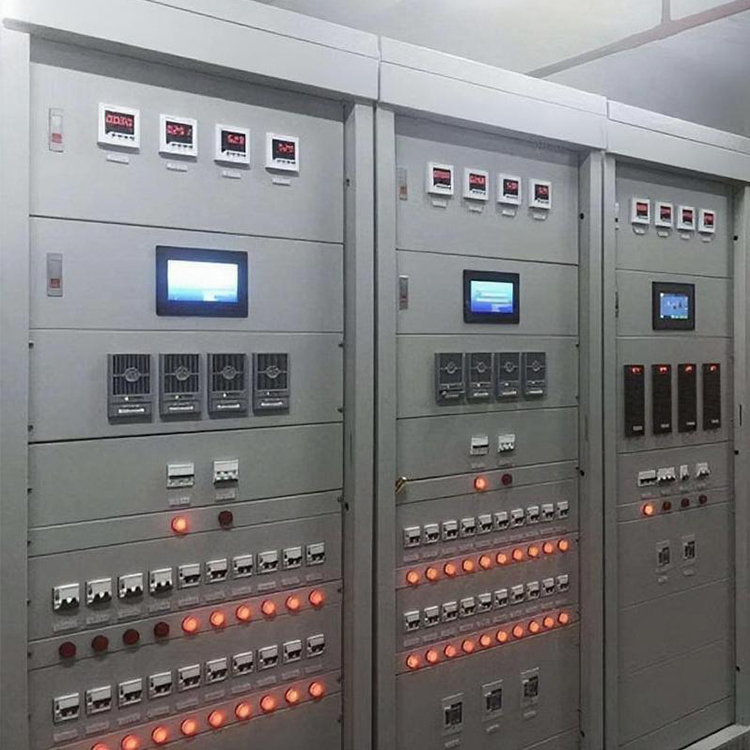
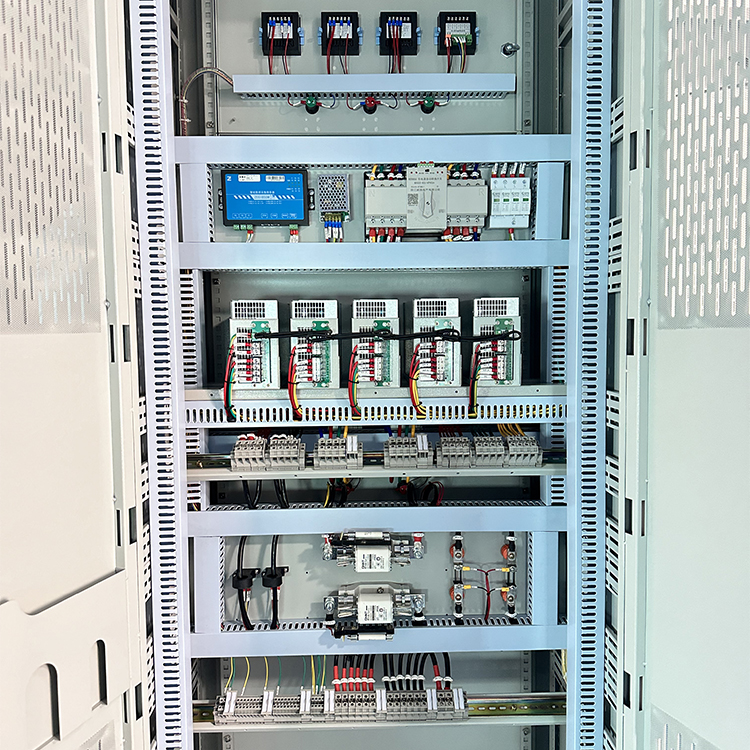
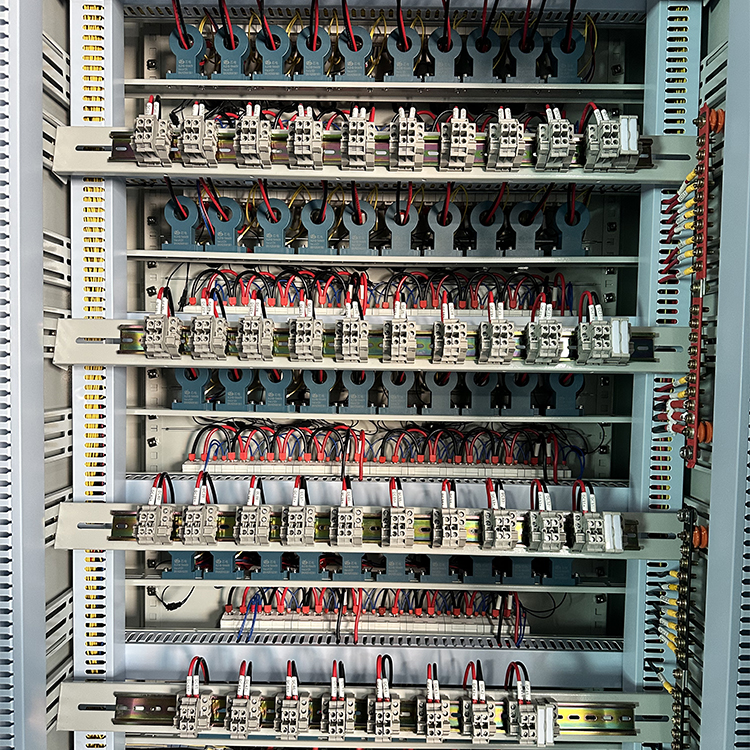
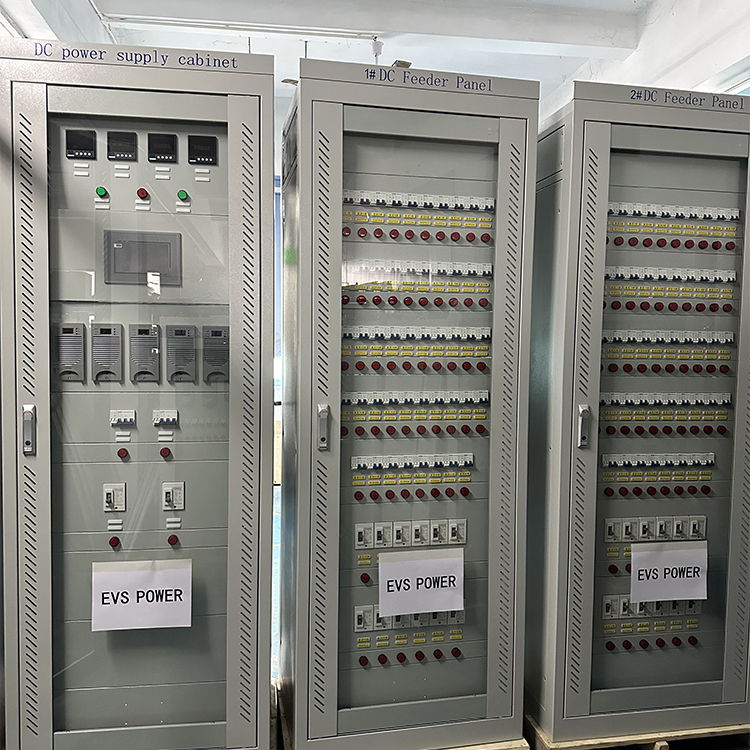
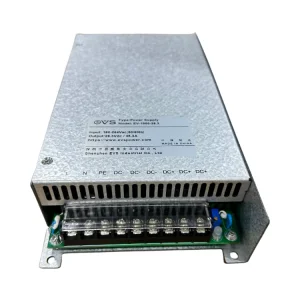
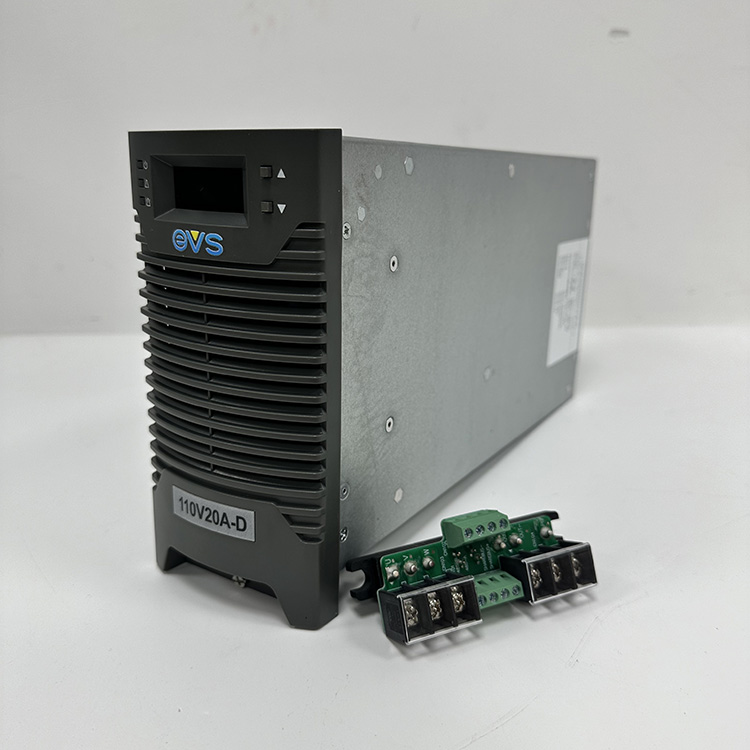
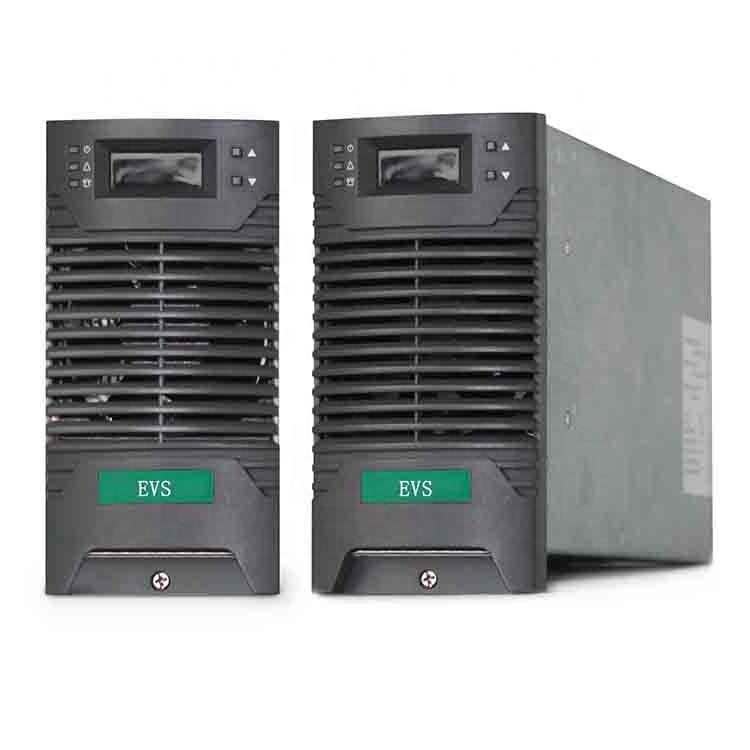
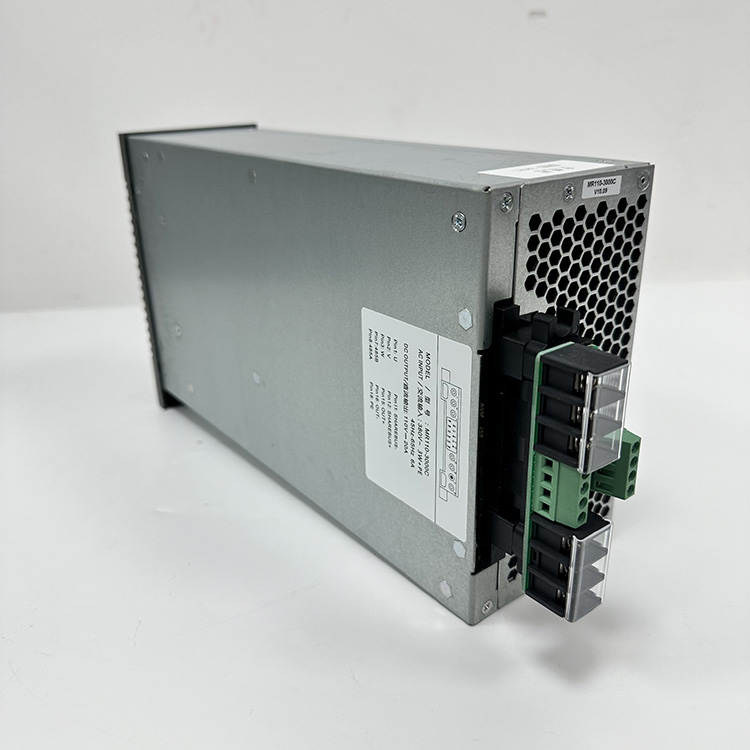
The power operation power sources used in power plants and substations are currently DC power sources, which provide power for controlling loads, power loads, and DC emergency lighting loads, and are the foundation of contemporary power system control and protection. The DC screen consists of an AC distribution unit, a charging module unit, a step-down silicon chain unit, a DC feeding unit, a distribution monitoring unit, a monitoring module unit, and an insulation monitoring unit.
It is mainly used in small and medium-sized power plants, hydropower stations, various substations, and other users who use DC equipment (such as petrochemicals, mines, railways, etc.) in the power system. It is suitable for switch opening and closing, as well as instruments, meters, relay protection, and fault lighting in secondary circuits. DC screen is a new type of digital control, protection, management, and measurement DC system.
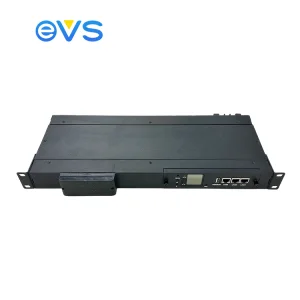
The monitoring host is highly integrated and adopts a single board structure (All in one), which includes functions such as insulation monitoring, battery inspection, grounding line selection, battery activation, silicon chain voltage stabilization, and microcomputer central signal. The host is equipped with a large LCD touch screen, and various operating states and parameters are displayed. The overall design is convenient and simple, with a user-friendly interface that conforms to user habits. The DC screen system provides powerful functions for remote detection and control, and has remote control, remote adjustment, telemetry, remote signaling functions, and remote communication interfaces.
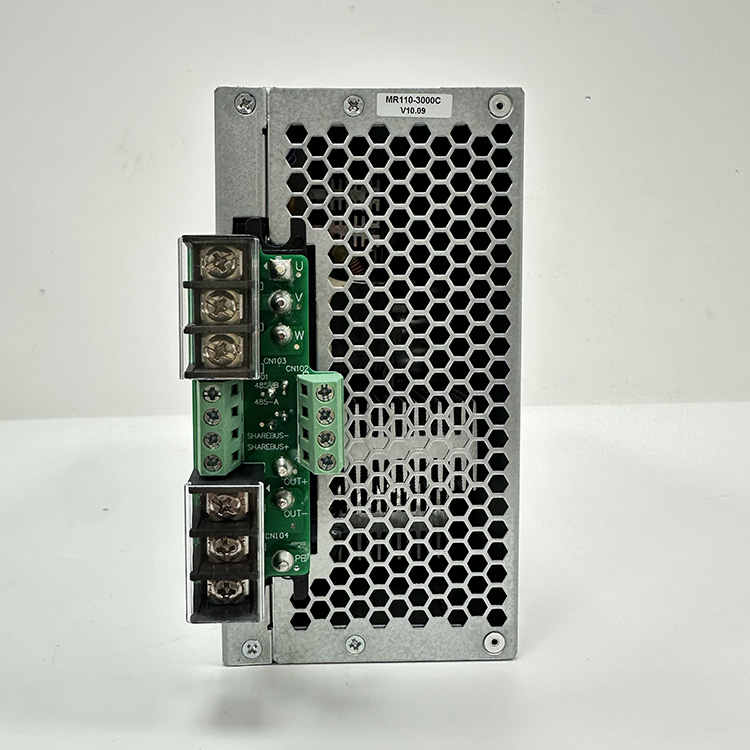
Through a remote communication interface, the operating parameters of the DC power system can be obtained remotely, and the operating status and settings can also be set and modified through this interface to meet the requirements of power automation and unmanned substations in the power system; Equipped with standard RS232/485 serial interface and Ethernet interface, it can be easily integrated into the power station automation system.
| Item | Index | Test condition | ||
|---|---|---|---|---|
| Minimum value | Typical value | Maximum value | ||
| Input voltage range (VAC) | 300 | 380 | 485 | Output 240VDC, full load |
| Output adjustable range (VDC) | 176 | 230 | 300 | Input 380VAC, full load |
| Stabilized voltage precision | - | 0.01% | 0.5% | Output 198~286VDC, 20~100% load, input 300~485VAC |
| Stabilized current precision | - | 0.08% | 0.5% | Output 198~286VDC, 20~100% load, input 300~485VAC |
| Dynamic response | 100uS | 150uS | 200uS | Rated output 20~75% load jumps |
| Charging efficiency | 90% | 92% | 93% | Output 240V, 5A, 10A, 20A |
| Maximum audible noise (dB) | - | 45 | 50 | Full load, environmental noise 40dB |
| Storage temperature (℃) | -40 | 25 | 60 | - |
| Working environment temperature (℃) | -10 | 25 | 45 | Output 240V, 5A, 10A, 20A |
| Broadband noise (mV) | 18 | 25 | 40 | Rated input and output, resistive load |
| Peak-to-peak noise (mV) | 100 | 300 | 400 | Rated input and output, resistive load |
| Un-equalizing current degree of parallel machine | ±0.5% | ±2% | ±5% | Rated input and output, monitor equilibrium flow |
| Start-up delay (s) | 3 | 5 | 8 | - |
| Ripple factor | 0.01%~0.1% | 0~20MHz bandwidth | ||
| Dielectric strength | 2000VAC 50Hz | Time is 1 minute, leak current is 10mA | ||
| Load grade | Grade I (100%) rated output current works continuously | In the range of float charging voltage | ||
| Automatic current limiting characteristic | The output current exceeds 110% of rated current | For the constant power protection, the output current shall not increase, and DC voltage shall drop | ||
| Input overvoltage/low-voltage protection | The module is with overvoltage/low-voltage input protection function. When the input voltage is less than 313±10Vac or greater than 485±10Vac, the module shall protect, no DC output, and the protection indicator light (yellow) shall be on. | After restoring the voltage to 335±10Vac~460±15Vac, the module shall work automatically. | ||
| Input phase loss protection | When the input is lack of phase, the module shall limit the power output. When the output voltage is 260V, 5A current is output. | After fault clearance, it shall work automatically and normally | ||
| Output overvoltage protection | The output shall stop automatically if the output voltage is more than 293±6VDC, in case of damaging the equipment | The module cannot recover automatically, switch on the module again after switching off it. | ||
| Output low-voltage alarm | When the output voltage is less than 198±1Vdc, the module shall alarm, there is DC output, and the protection indicator light (yellow) shall be on. | After the voltage is recovered, the module output low-voltage alarm shall disappear. | ||
| Output short circuit retraction function | When the module output is short out, the output current should not be greater than 40% of rated current. | After fault clearance, it shall work automatically and normally | ||
| Over-temperature protection | If the temperature inside the module is higher than the set value, the module over-temperature protection function shall start, the protection indicator light (yellow) of the module panel shall be on, and the module has no voltage output. | After the abnormal condition is removed and the temperature inside the module is normal, the module shall work automatically and normally | ||