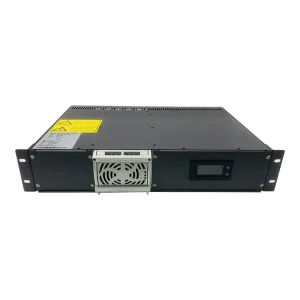
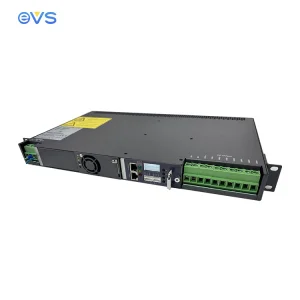
Highly engineered rectifiers, inverters, and power distribution systems designed for robust operational stability.
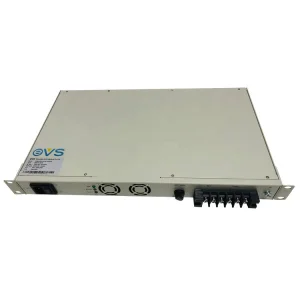
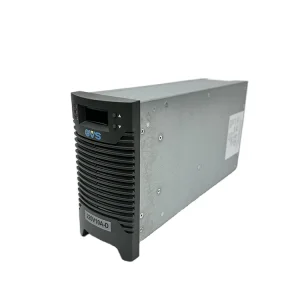

A professional overview of market transitions towards high power density, digital integration, and green grid compliance.
Modern electrical grids and telecommunication networks demand absolute efficiency to reduce systemic line losses and thermal degradation. Industry transitions away from traditional hard-switching topologies have accelerated the development of LLC resonant converters and phase-shifted full-bridge topologies. By achieving Zero Voltage Switching (ZVS) and Zero Current Switching (ZCS), modern rectifiers reach power conversion efficiencies exceeding 95%.
To operate at elevated frequencies without amplifying switching losses, the power electronics landscape is pivoting to Wide Bandgap (WBG) materials. Silicon Carbide (SiC) and Gallium Nitride (GaN) semiconductors facilitate higher breakdown voltages, faster switching rates, and minimized die dimensions, leading to a substantial decrease in the footprint of telecom racks and utility-scale switchgear.
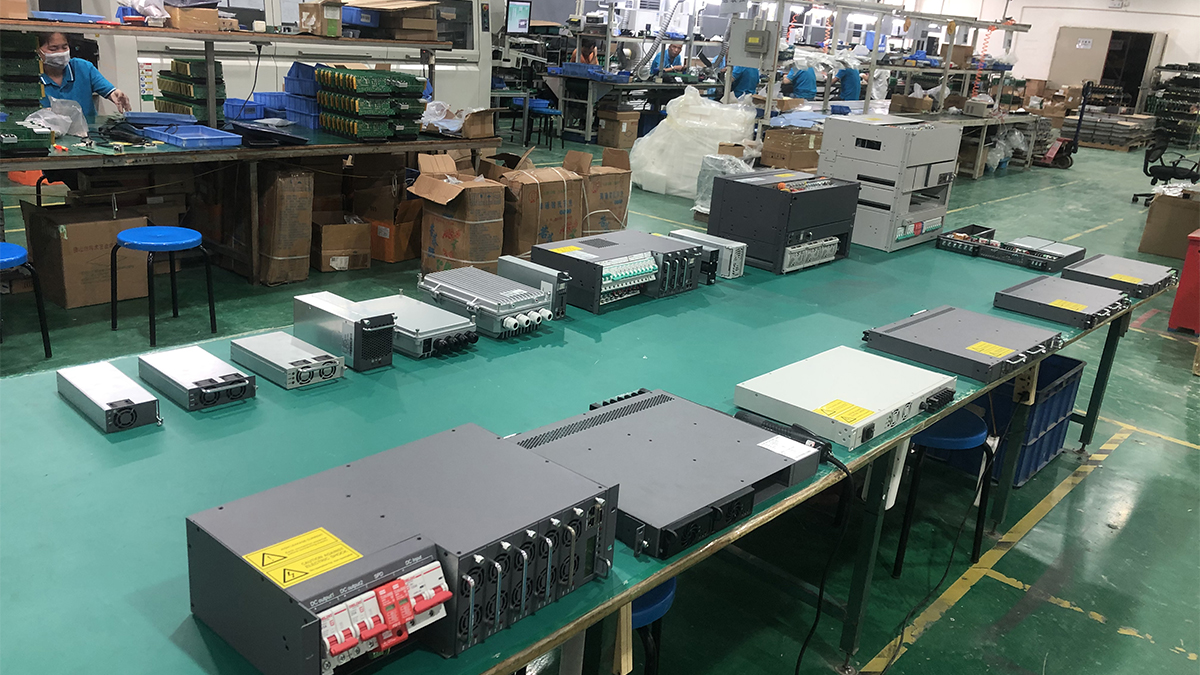
Understanding key engineering metrics expected by procurement departments across major trade regions.
Industrial applications demand a Mean Time Between Failures (MTBF) exceeding 300,000 hours. Active thermal management, ruggedized PCB trace geometries, and high-temperature electrolytic capacitor selection directly safeguard mission-critical networks.
Digital Signal Processors (DSP) control critical system loops, allowing for real-time telemetry output via CAN Bus, Modbus, or RS485 interfaces. Remote monitoring allows facilities to anticipate anomalies and carry out predictive maintenance cycles.
International electromagnetic standards require minimal Total Harmonic Distortion (THD < 5%) and robust Power Factor Correction (PFC > 0.98). Suppressing interference shields surrounding instrumentation from electrical crosstalk.
Guangzhou EVS Powers Co., Ltd. integrates vertical design, component assembly, and multi-tier testing parameters to support global export standards.
Operating out of the global logistics and trade gateway of Guangzhou, Guangzhou EVS Powers Co., Ltd. stands as a premier manufacturer specializing in high-performance switching power supplies, DC power systems, custom DC-DC converters, and pure sine wave inverters. Our engineering ethos revolves around customer satisfaction, robust design principles, and comprehensive cost-efficiency. Our manufacturing lines use automated assembly techniques alongside strict manual inspection stations, delivering customized hardware systems to clients across Europe, North and South America, Australia, the Middle East, and Southeast Asia.
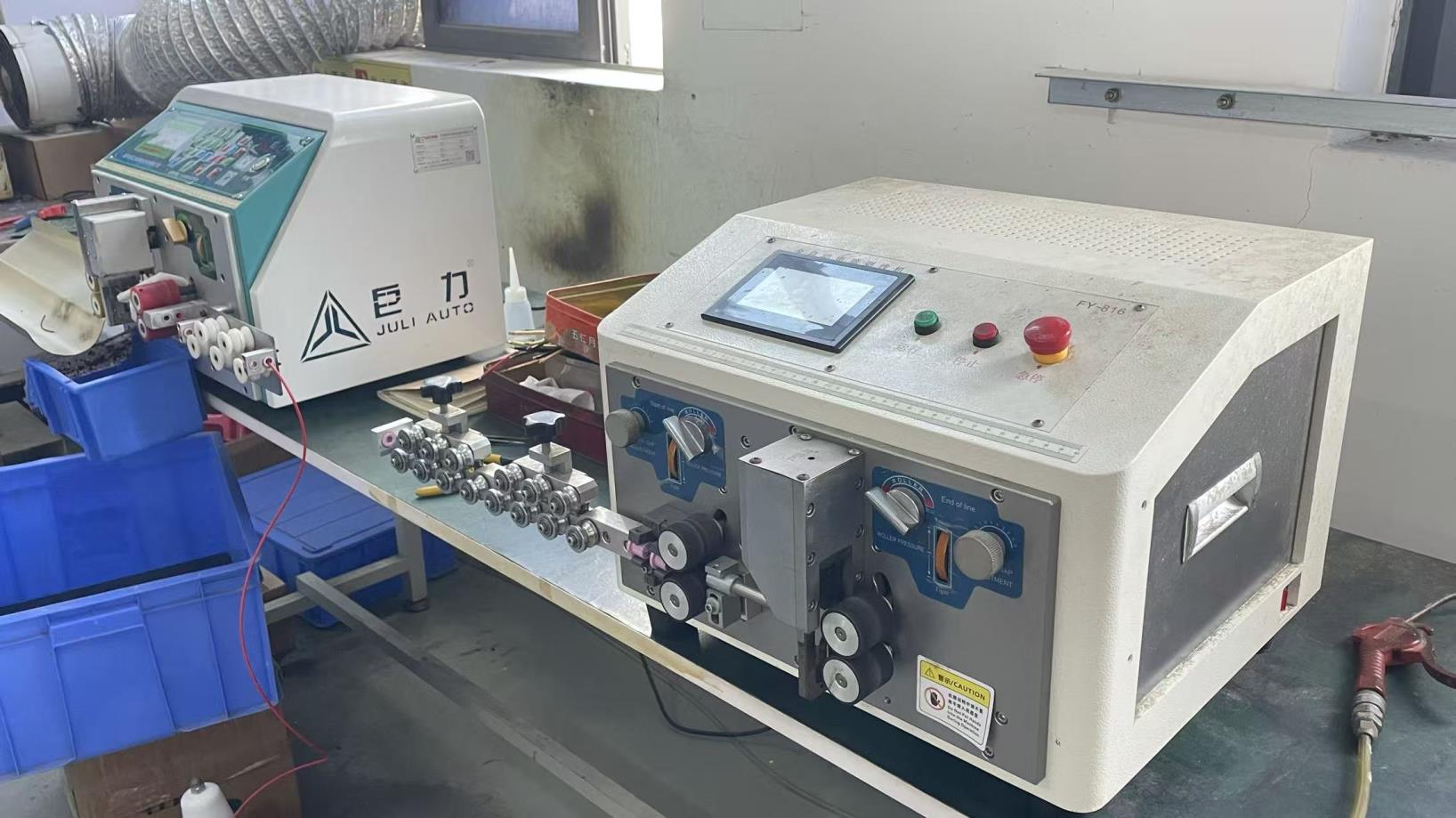 Wire Cutting
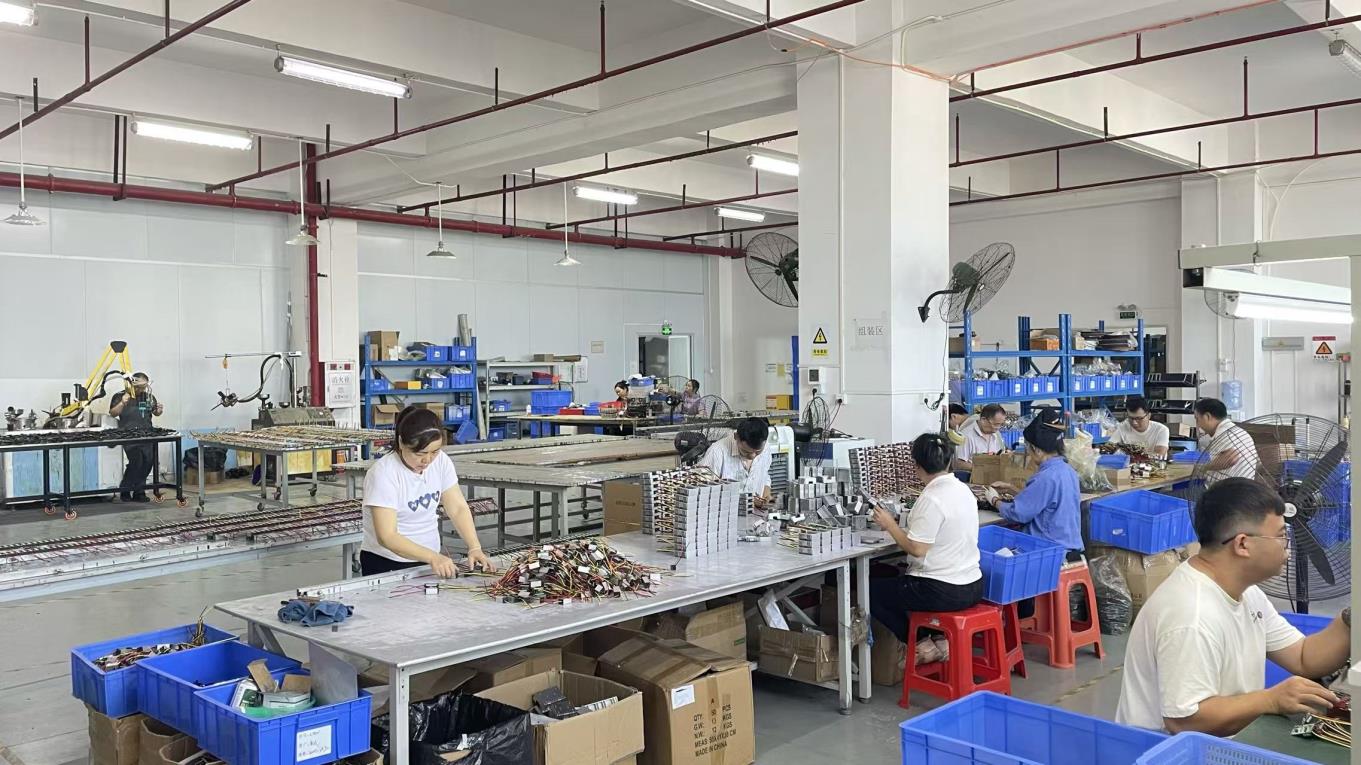 Plug-In
 Soldering Tin
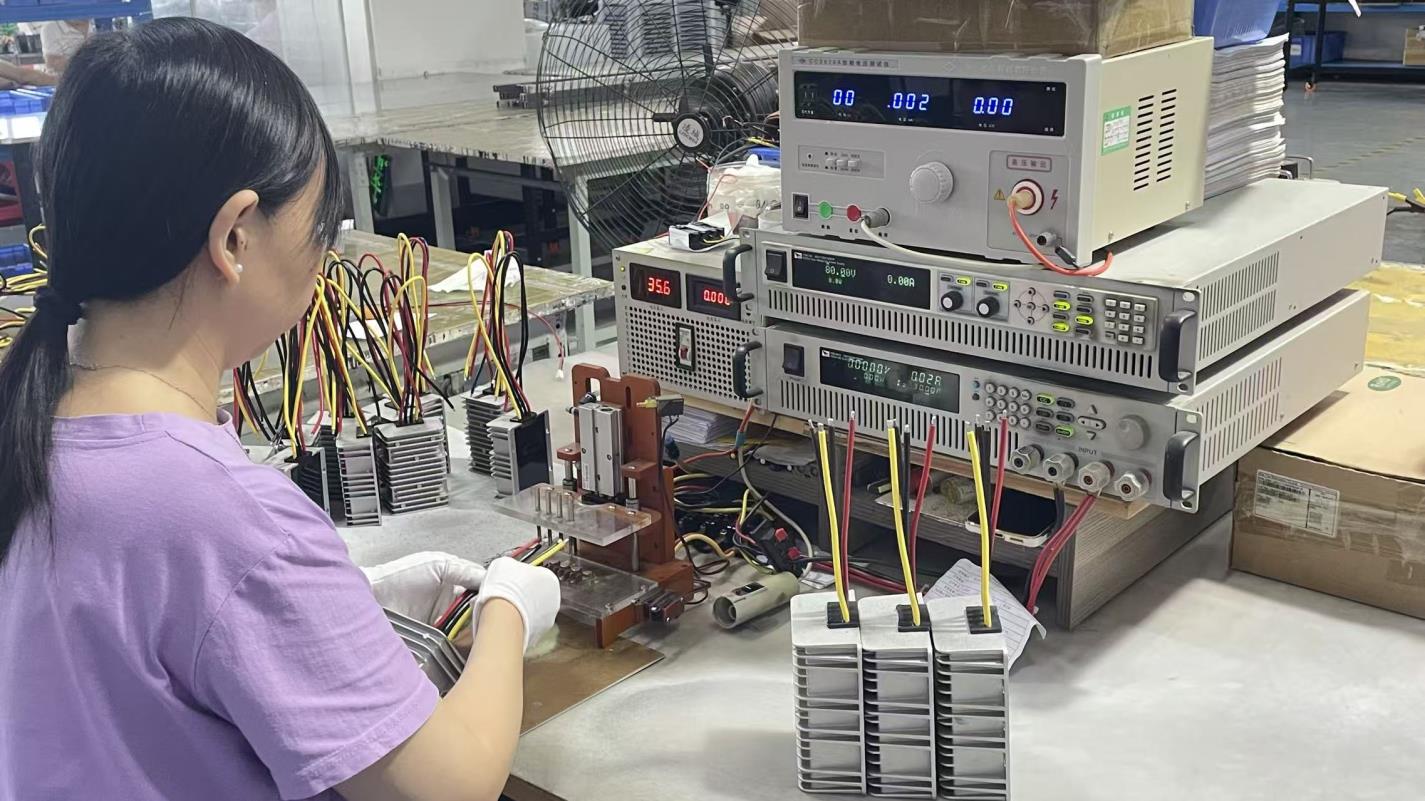 Test
Test
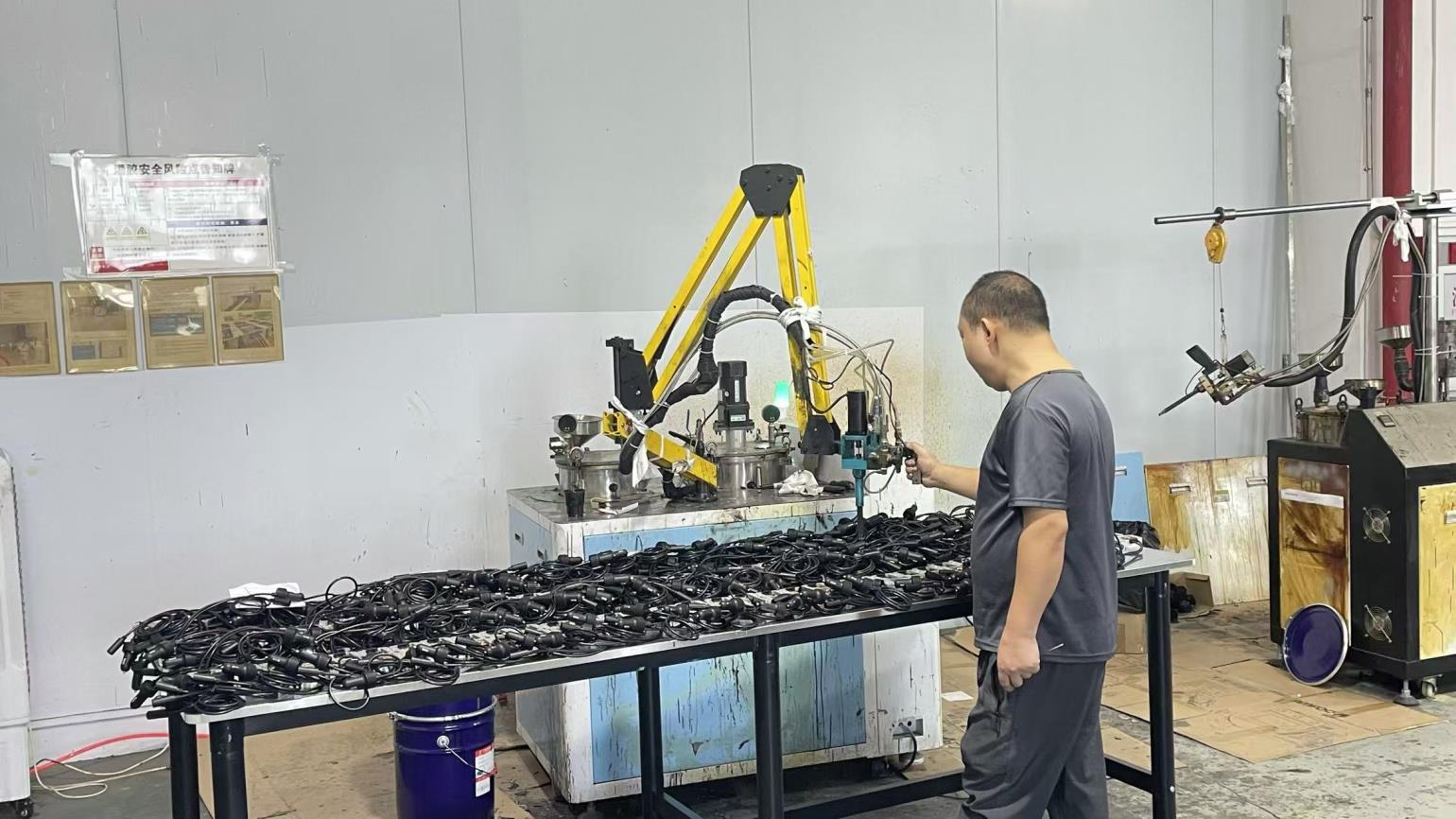 Glue Filling
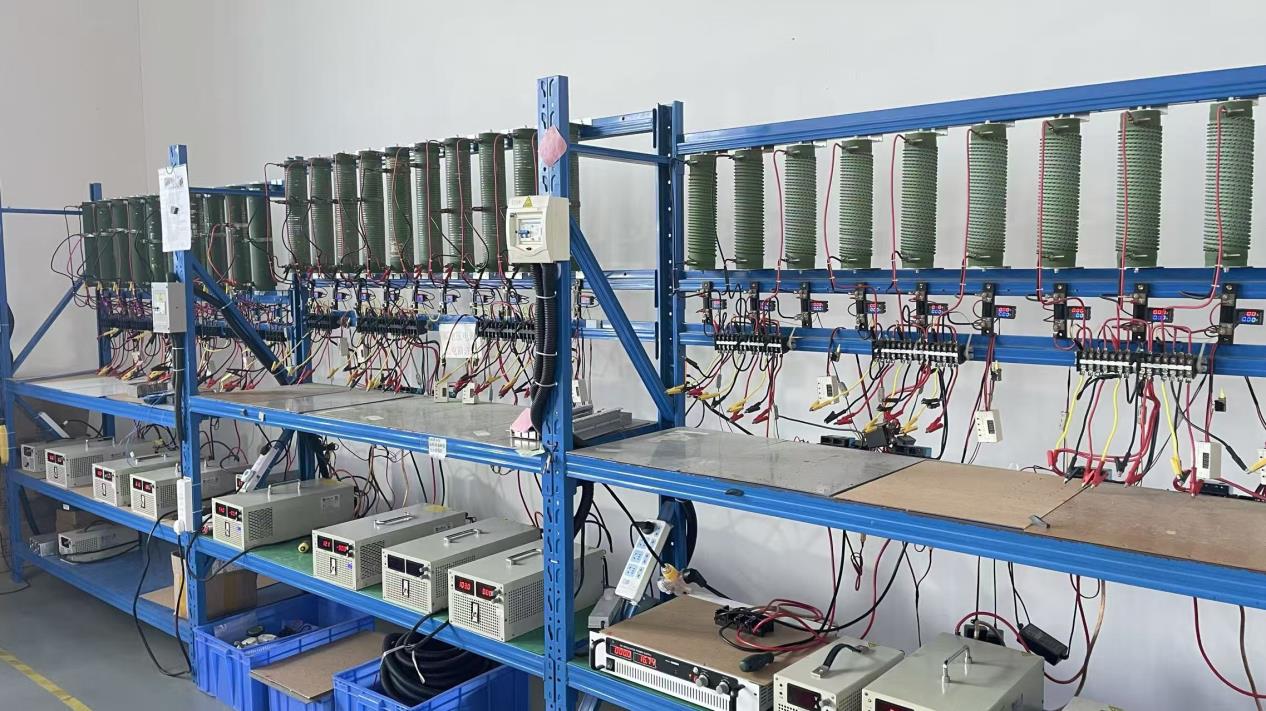 Burn-In Test
 Packaging
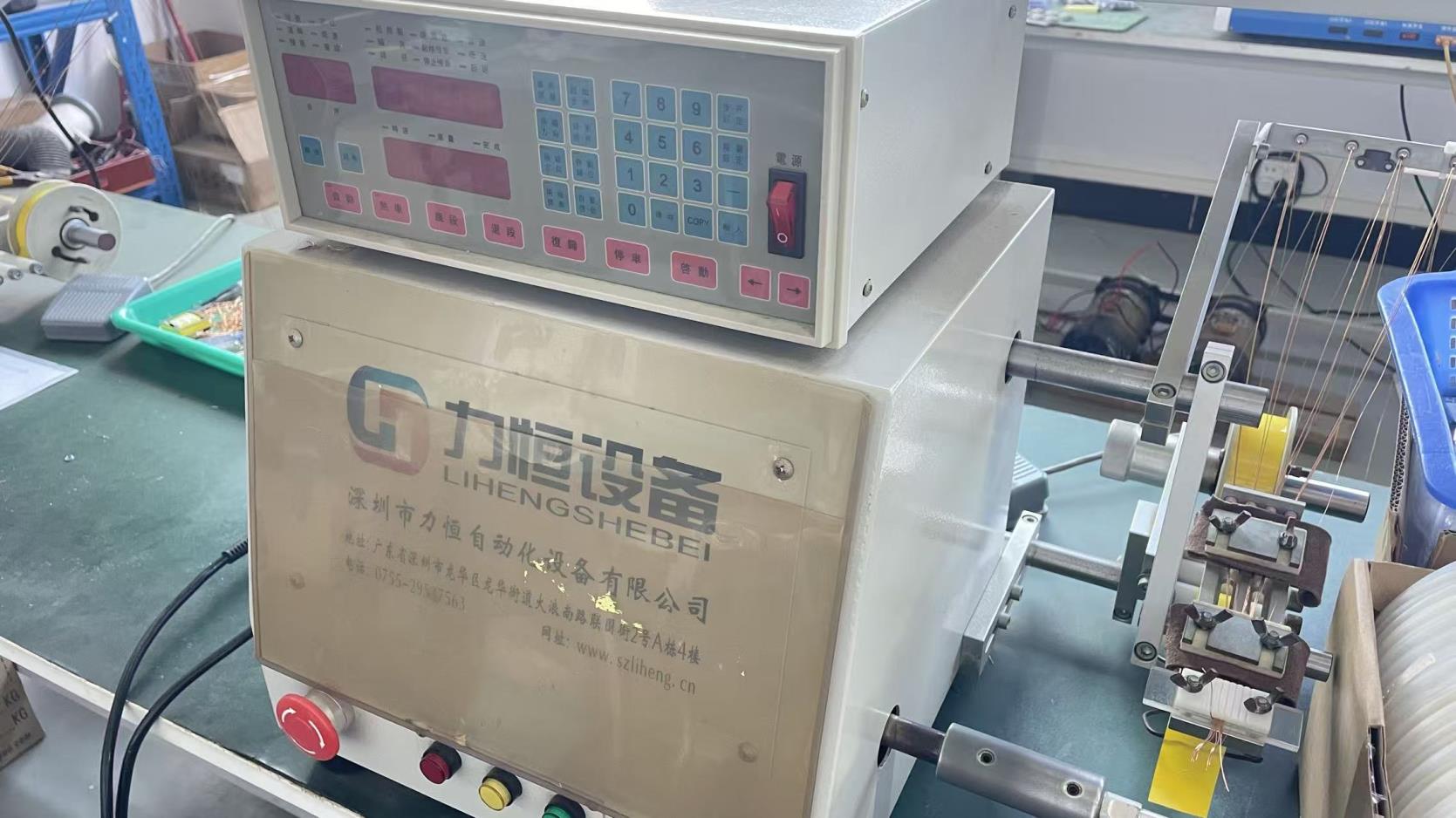 Winding Machine
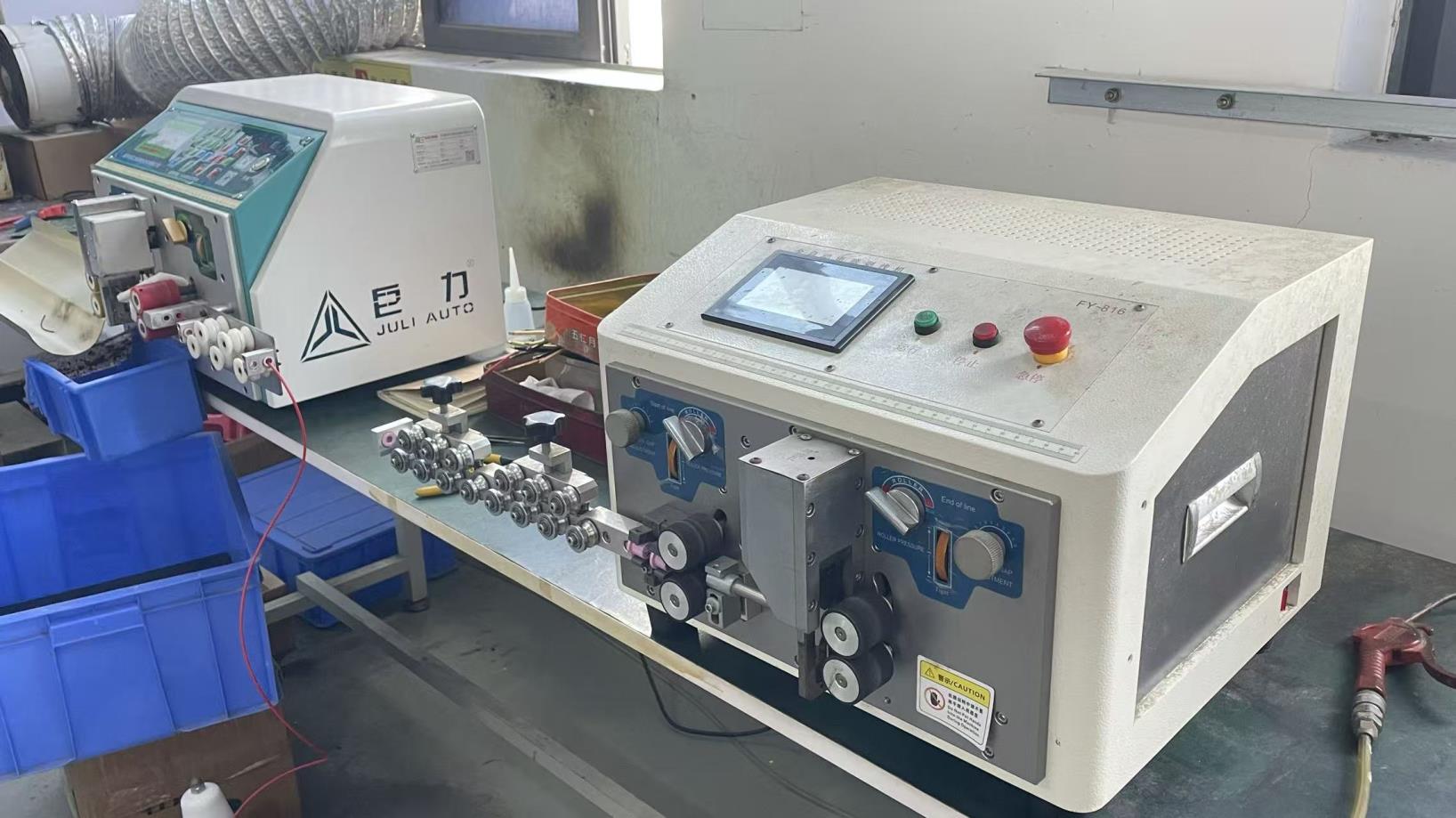 Wire Cutting Machine
 Automatic Soldering Machine
 Laser Engraving Machine
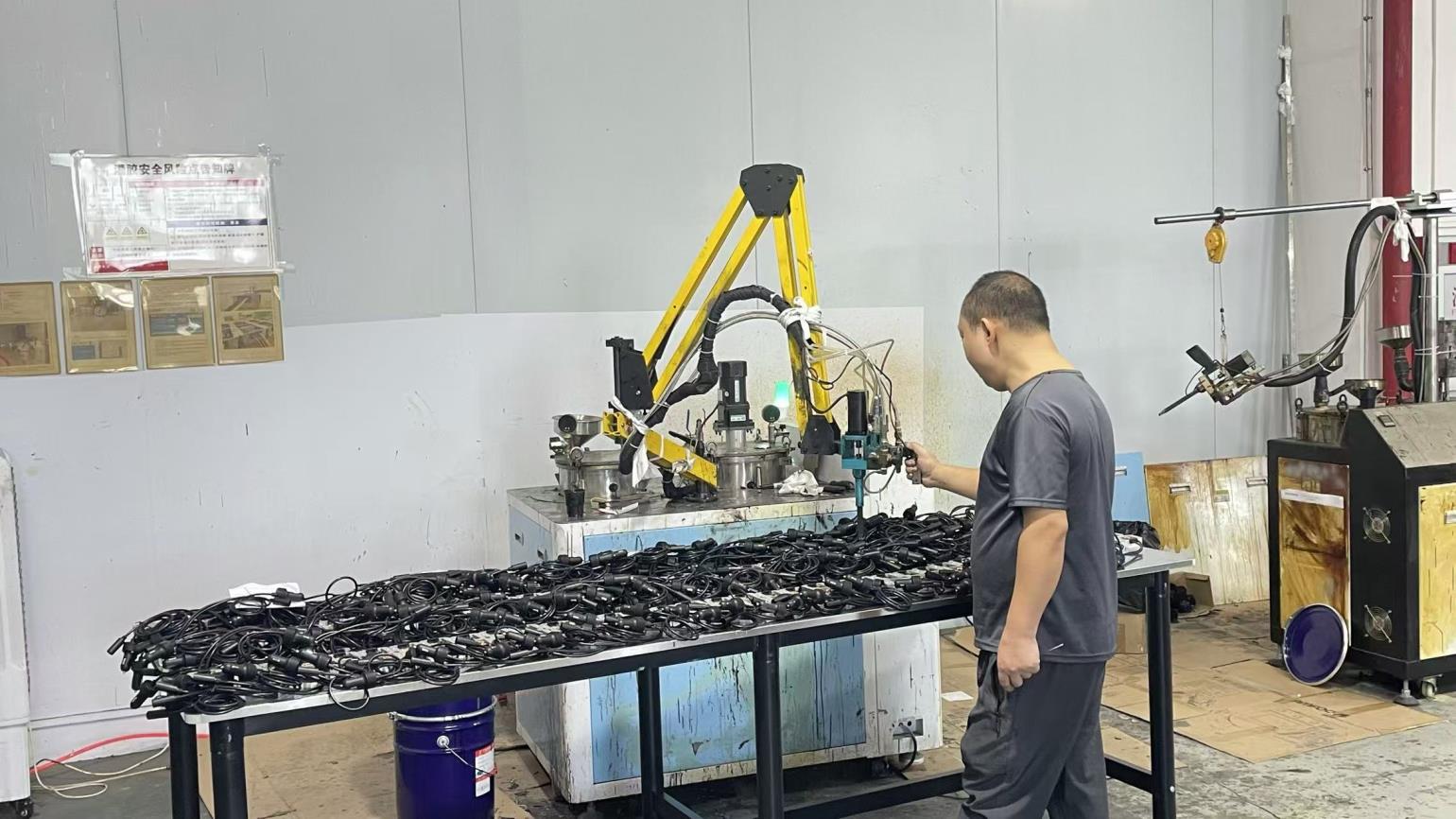 Canning machine
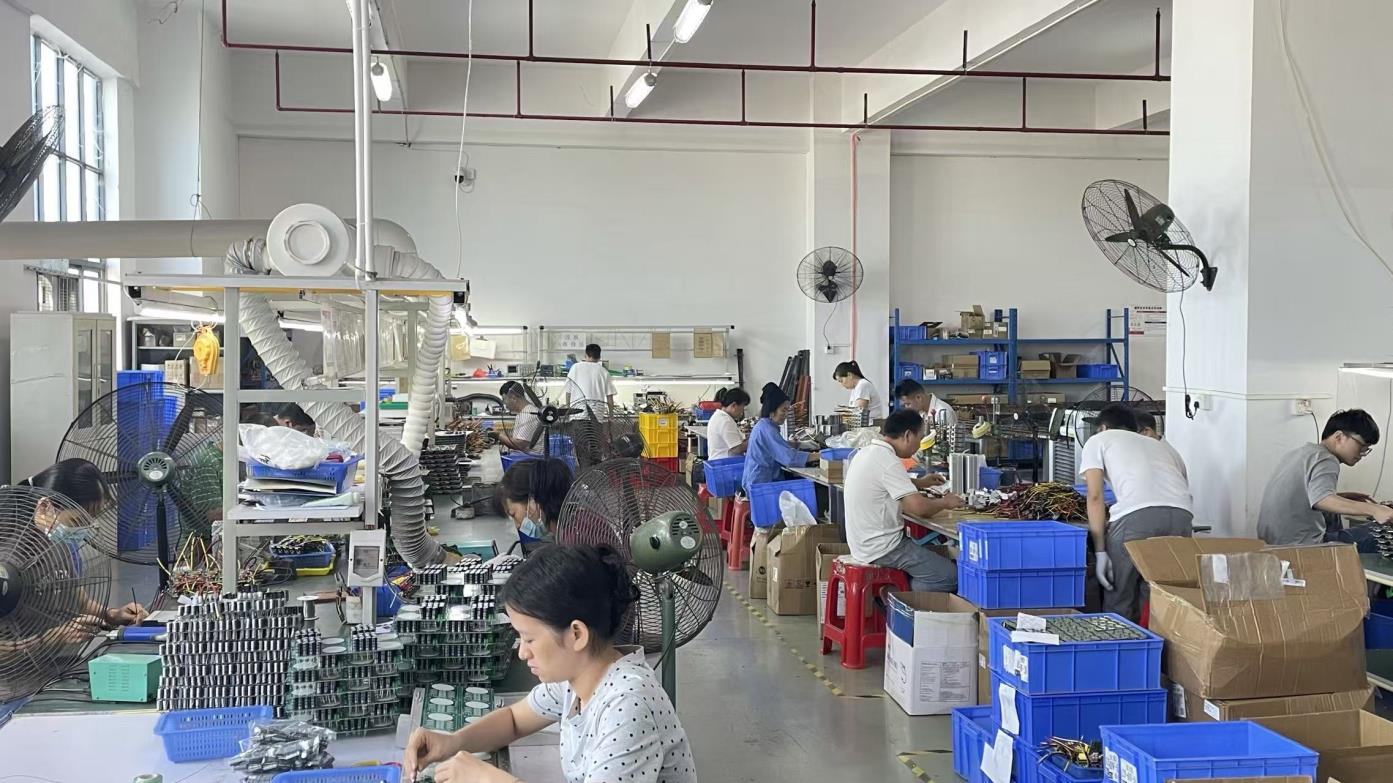 Assembly Line
Every EVS Powers module undergoes verification steps to guarantee long-term field stability under extreme thermal loads.

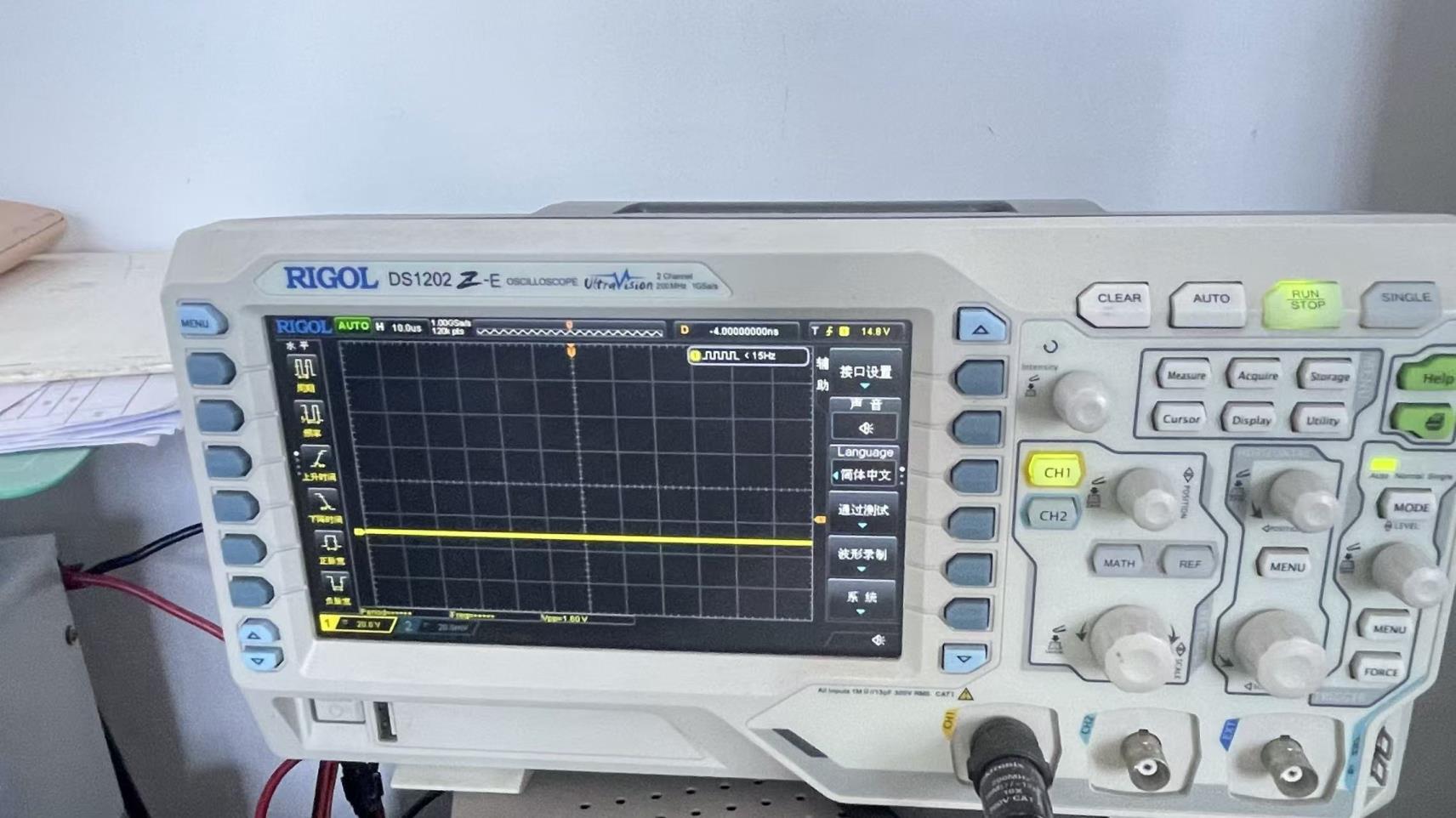
Our quality verification starts before final product assembly. Using high-precision DC Power Supply Testers and automated AC Withstand Voltage Testers, we screen magnetic cores and switching systems under electrical stresses that exceed standard operational guidelines. This prevents dielectric breakdowns and insulates the system against unexpected high-energy line surges.
To predict operational aging in tropical or marine conditions, components undergo testing inside a Constant Temperature and Humidity Chamber. Joint and trace geometry integrity is audited using optical microscopes, which identify structural surface anomalies prior to the extensive burn-in testing cycle. Our proactive QA measures help maintain field return rates of under 0.2%.
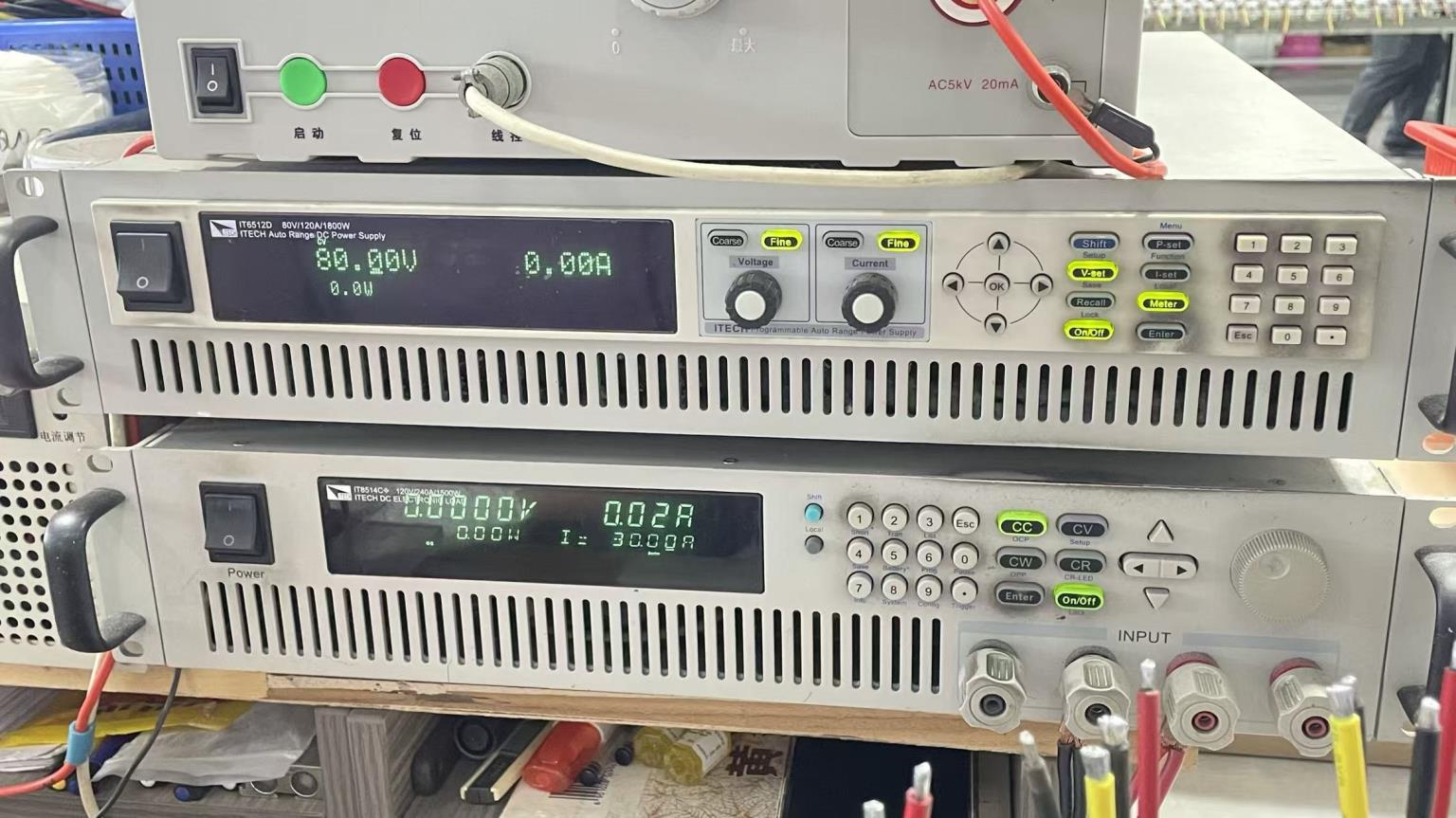 DC Power Supply Tester
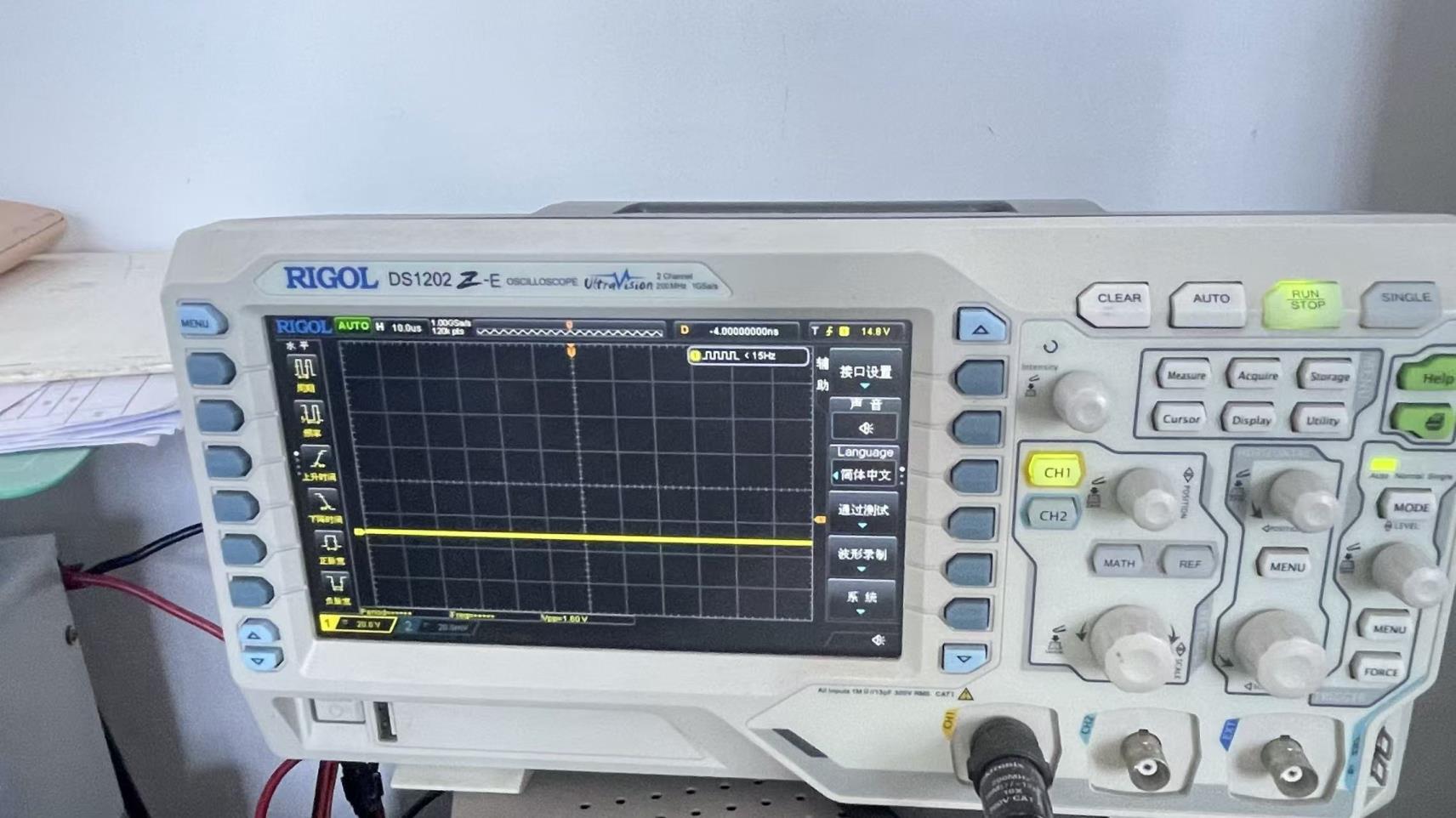 AC Withstand Voltage Tester
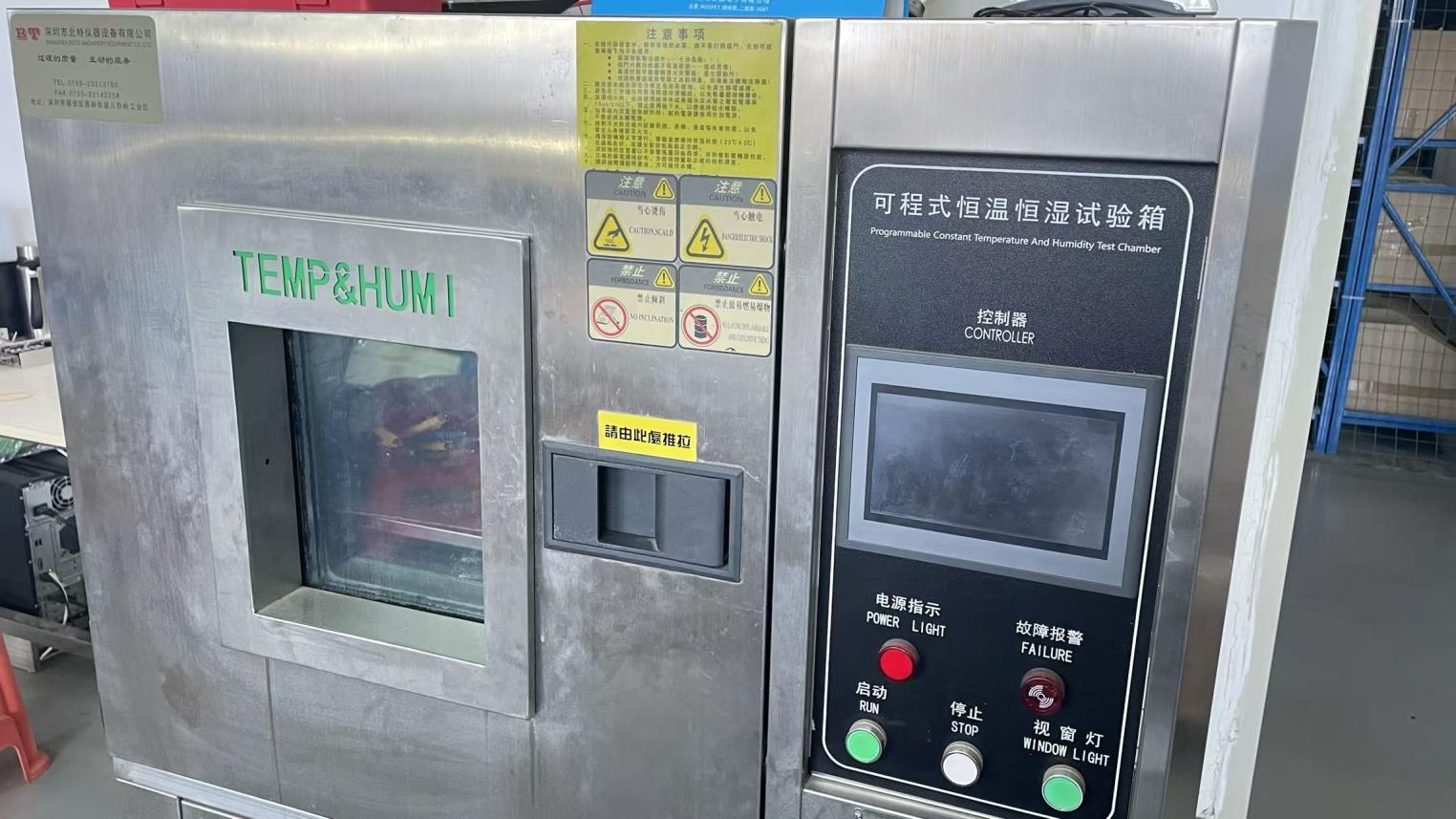 Constant temperature and humidity chamber
 Optical microscope
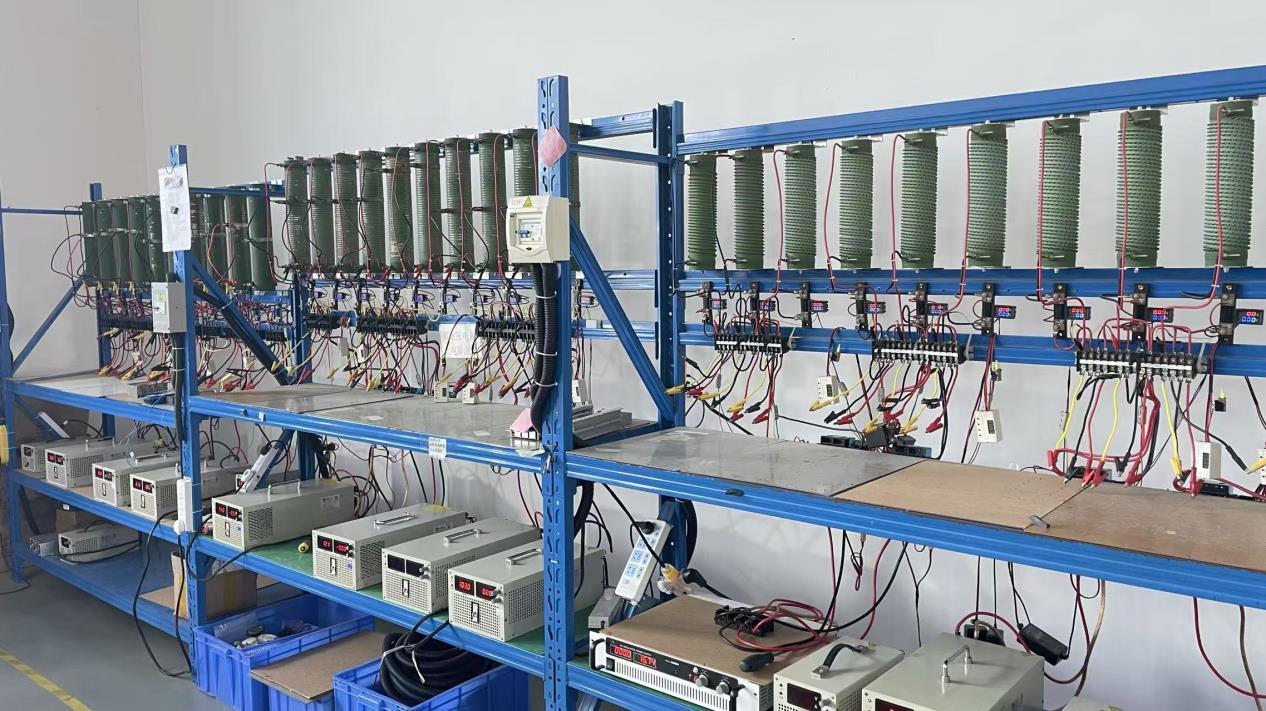 Aging test
 Design
High-frequency industrial components configured for high-capacity applications.
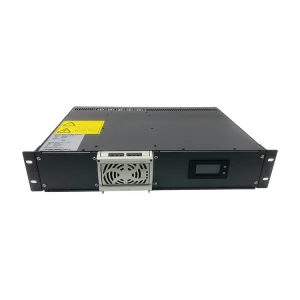
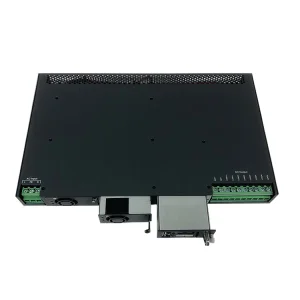
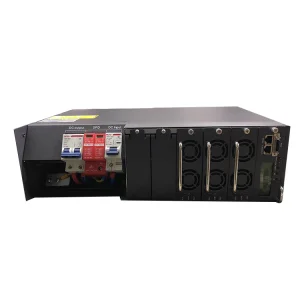
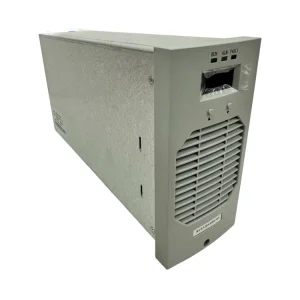
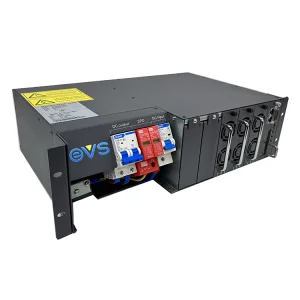
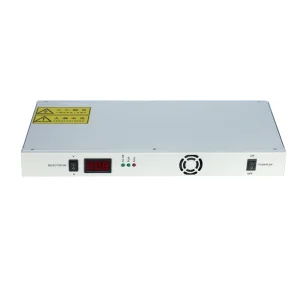
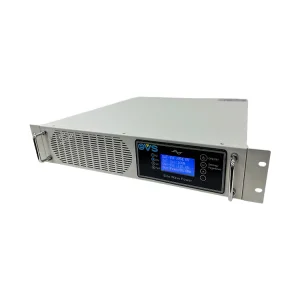
How our custom OEM/ODM systems scale to serve global telecommunications, microgrids, and data industries.
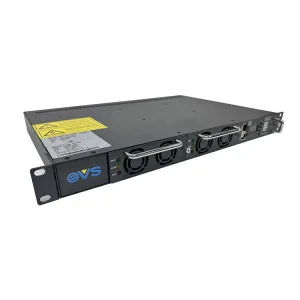
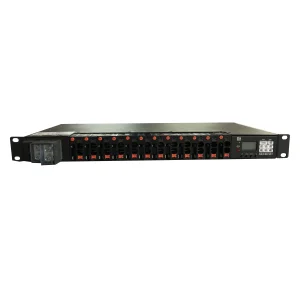
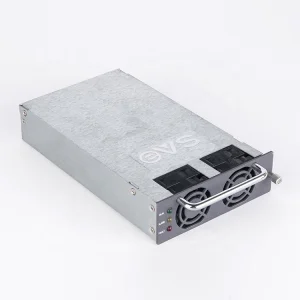
As global networks deploy dense, localized 5G cells, remote power feeds face transmission drop-offs. Our 48V DC telecom power systems and distribution units (PDUs) ensure steady, low-noise power delivery. Featuring integrated hot-swappable rectifier modules, these rack mount configurations allow operators to scale up power capabilities without taking networks offline.
Modern battery charging systems are evolving past unidirectional rectifiers. The integration of bidirectional AC-DC converters, such as the EVS1260 series, enables vehicle-to-grid (V2G) power schemes. By allowing stored energy to flow back to local grids during high consumption spikes, fleet operators can offset facility power costs.
Industrial environments subject hardware to severe vibrational loads, high humidity, and wide ambient temperature fluctuations. EVS Powers' high-voltage buck/boost converters and resonant rectifiers utilize specialized resin compounds, thick PCB copper layers, and active current-limiting safety features to operate reliably in these settings.
Engineering milestones guiding EVS Powers toward next-generation power density and sustainability goals.
Our R&D roadmap targets a standard power density metric of 45W/in³ by 2026. This focus integrates directly with the rollout of our modular 10kW switching power series, aimed at downsizing space envelopes in Edge computing stations. Concurrently, we are designing predictive thermal control algorithms that monitor capacitor temperature degradation curves in real-time, helping to mitigate downtime risks.
We configure every production run to align with global trade compliance. Our systems undergo standard validation testing to achieve CE, RoHS, CB, and FCC markings. In addition, our manufacturing facilities operate in strict accordance with the ISO 9001:2015 quality management standard, ensuring that every shipment meets consistent manufacturing parameters.
Expert answers to common engineering, procurement, and deployment questions.
Our modules utilize LLC resonant half-bridge and full-bridge zero-voltage switching (ZVS) topologies. Efficiency values of 93.2% to 95% are achieved by minimizing conduction losses in key magnetic components, using low Rds(on) MOSFETs, and incorporating active synchronous rectification on the secondary output stages.
Parallel operation uses active current-sharing logic. The modules communicate through a common analog bus or via DSP control interfaces. The system monitors output current across each node, adjusting the PWM duty cycles dynamically to ensure load distribution balance stays within 5% of nominal values.
Bidirectional AC-DC converters manage two-way energy flows, converting alternating mains power to DC storage levels, or feeding DC back to the AC grid. This capability is key for stabilizing peak demand in EV charging stations and battery backup systems.
Our rectifiers feature multi-stage EMI filters designed for low-pass performance. We wrap magnetic components in copper shielding plates, utilize soft-switching topologies to lower dV/dt rates, and run layout simulations to verify compliance with EN55022 Class B standards.
Standard design modifications (such as adjustive scaling of cable connectors, specific housing colors, or preset output settings) average 4 to 6 weeks. Complete ODM systems require a development cycle of 12 to 16 weeks, which covers prototyping, validation trials, and compliance certification.
Digital Signal Processors replace traditional component drift by executing loop controls in software. This allows for real-time monitoring of parameter levels, programmatic over-voltage protections, and the option to adjust system performance dynamically through field firmware updates.
 EVS Powers