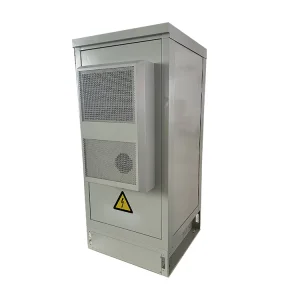
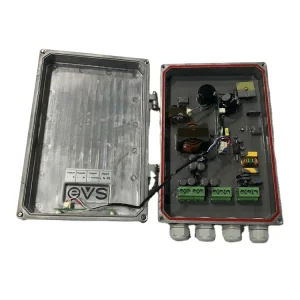
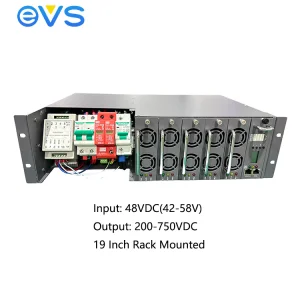
Explore our leading product lineup featuring high efficiency, soft-switching technology, and integrated SNMP/Web monitoring configurations built to harsh telecom and industrial standards.
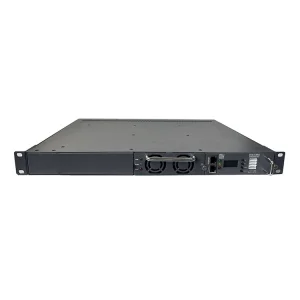
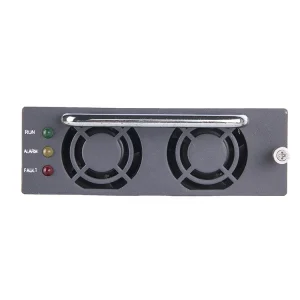
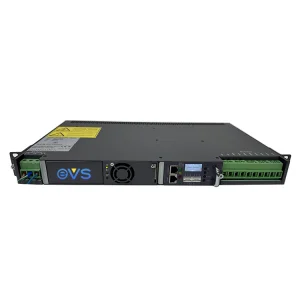
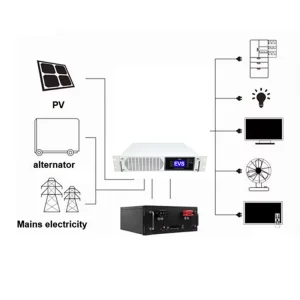
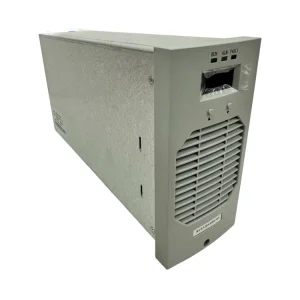
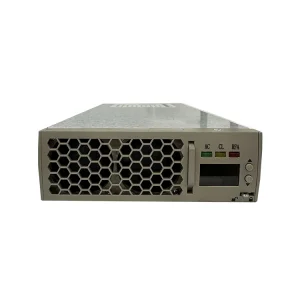
A technical overview of modern energy density, fault tolerance, and system efficiency configurations for industrial decision makers.
In modern industrial operations, telecommunications, and digital infrastructure, power reliability is non-negotiable. Monolithic (tower) UPS solutions, while historic benchmarks, present significant liabilities in critical systems: single point of failure (SPOF) risks, long Mean Time to Repair (MTTR), and complex over-provisioning requirements that inflate initial capital expenditures (CAPEX) and ongoing operational expenditures (OPEX). High-efficiency Modular UPS Systems solve these paintpoints by leveraging decentralized, hot-swappable architectures that distribute power processing, bypass systems, and control logic across modular units.
"By transitioning from traditional centralized power schemes to modular topologies, enterprise infrastructure managers can achieve N+X active redundancy, reduction in MTTR from hours to under 5 minutes, and load optimization metrics exceeding 95% efficiency, even at light-load thresholds."
At Guangzhou EVS Powers Co., Ltd., we engineer advanced power conversion topologies including DC/DC buck converters, embedded rack-mount telecom power rectifiers, and modular sinus inverters. These architectures utilize state-of-the-art DSP (Digital Signal Processor) Control and resonant soft-switching topologies to deliver highly stable, clean, and continuous voltage rails for complex workloads, telecom networks, and manufacturing facilities globally.
Discover our localized ecosystem, advanced machinery, and systematic testing procedures behind our high-performance power products.
Guangzhou EVS Powers Co., Ltd. is strategically located in Guangzhou, a premier hub for international trade, advanced electronics components manufacturing, and global maritime logistics. Operating a fully vertical manufacturing framework, we offer extensive OEM/ODM customization capabilities to match global buyer profiles. We control the engineering process end-to-end, optimizing costs while ensuring high-reliability products that comply with CE, RoHS, and ISO manufacturing benchmarks.
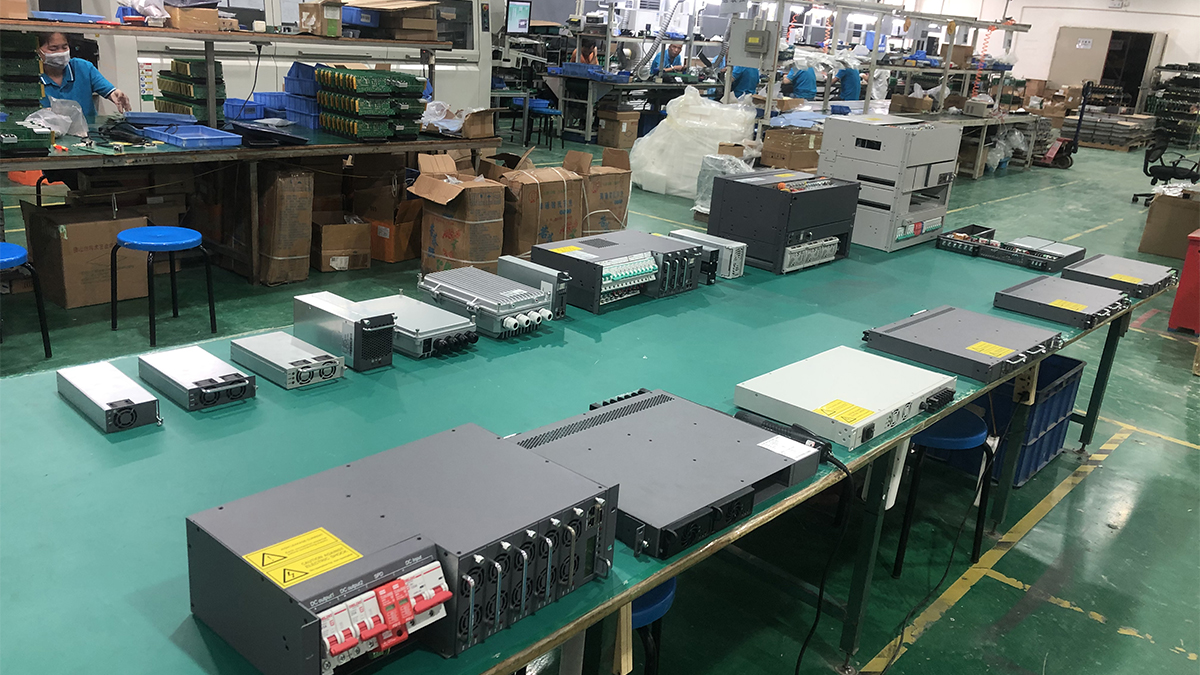
Our integration of components sourcing, specialized automatic assembly, and advanced diagnostic testing chambers ensures that each power system component—ranging from 1U telecom rectifier modules to heavy-duty industrial buck converters—delivers consistent performance under variable power grids and harsh climates.
 Wire Cutting
 Plug-In
 Soldering Tin
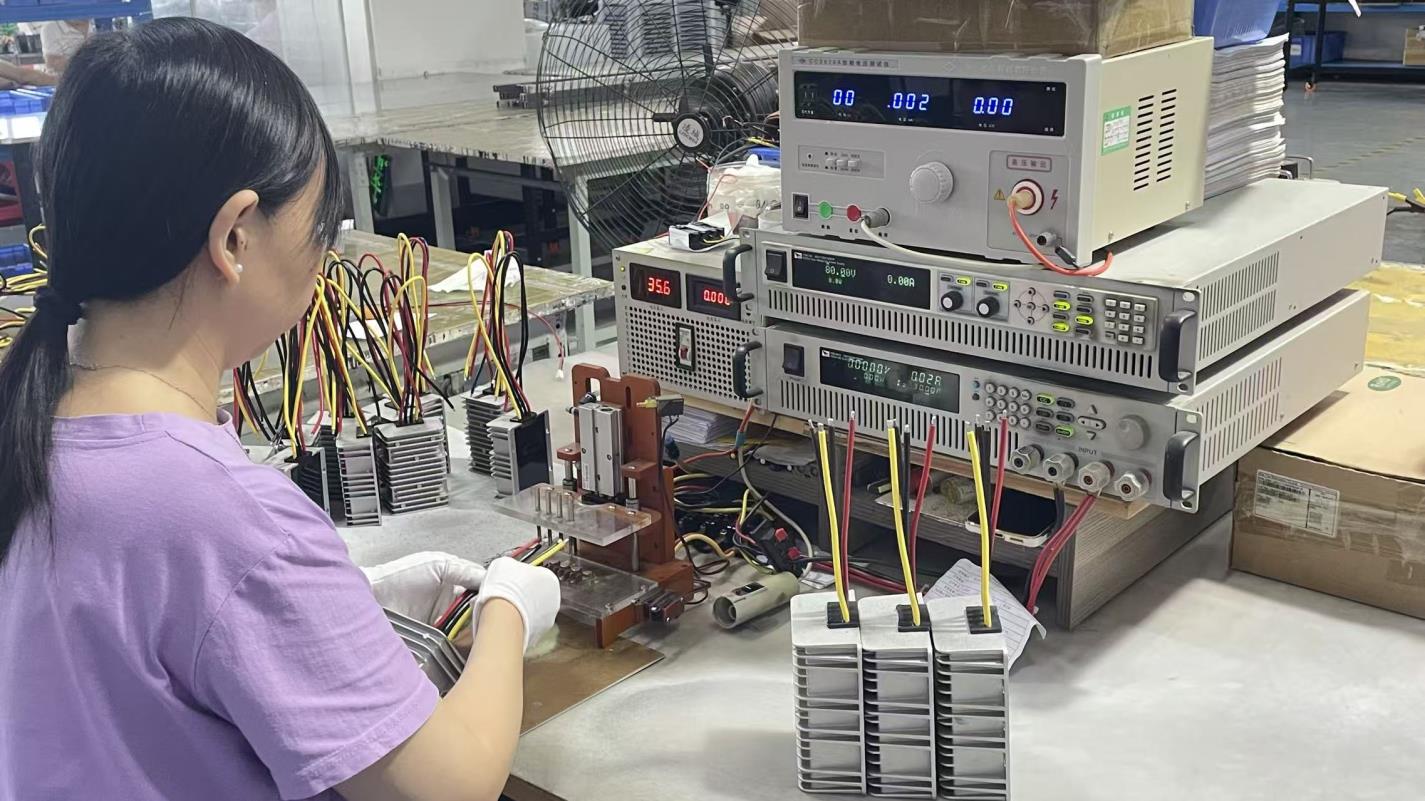 Functional Testing
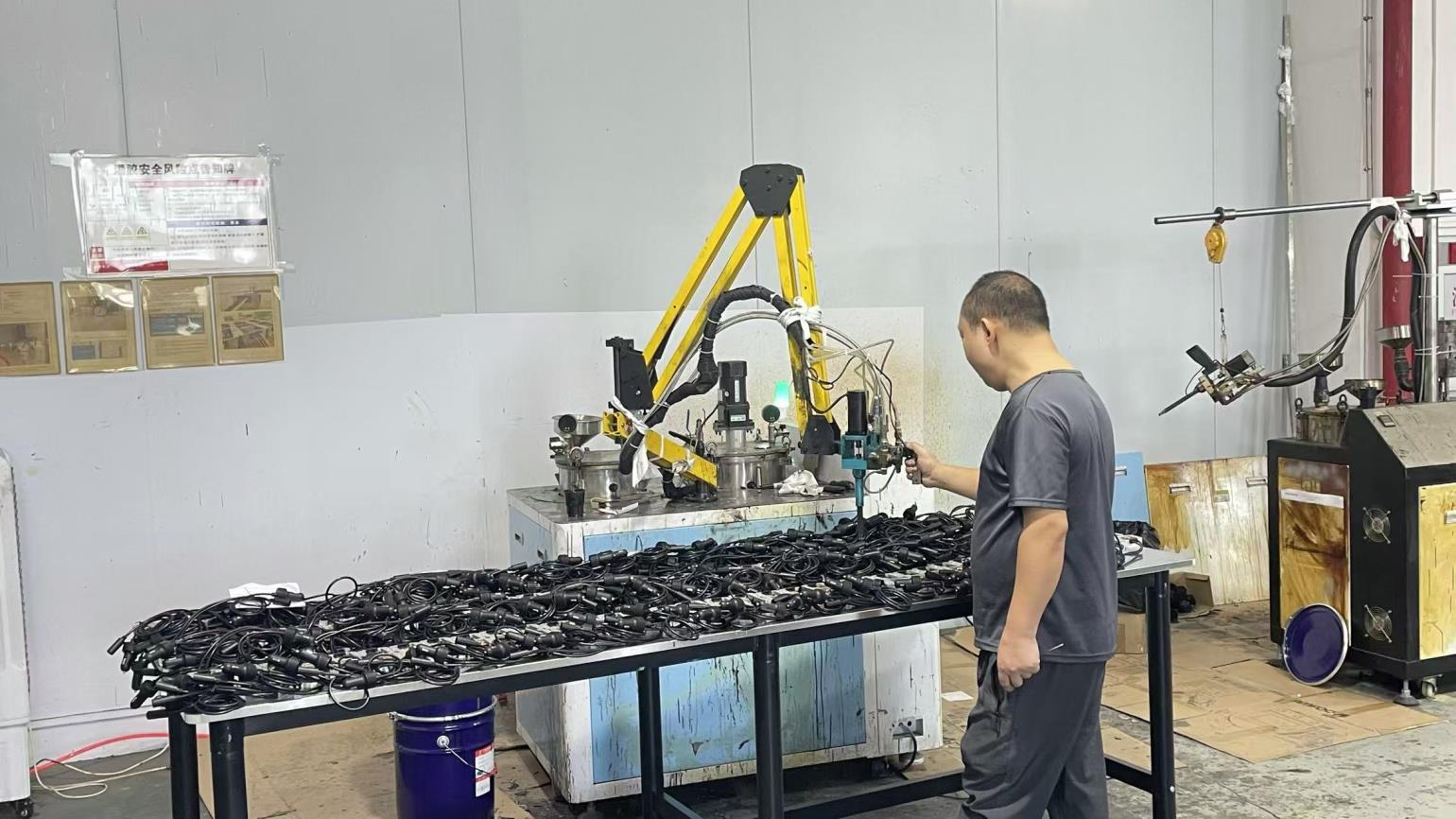 Glue Filling
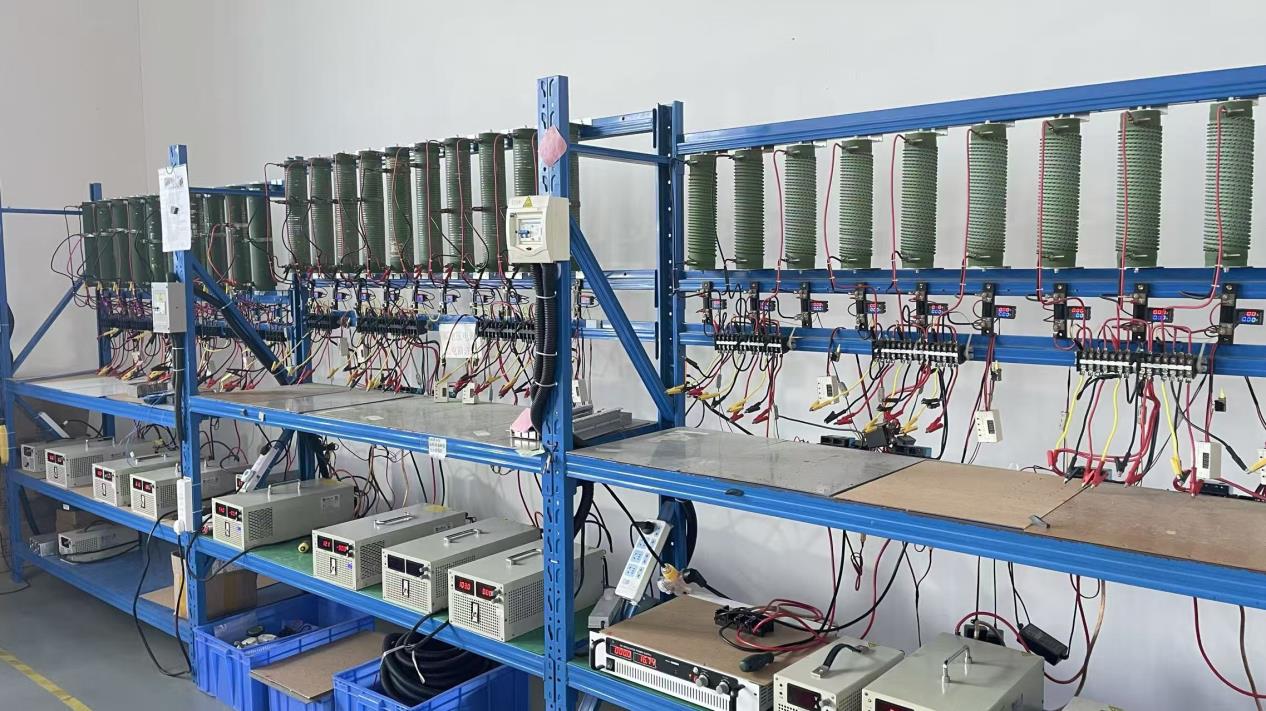 Burn-In Test
 Packaging
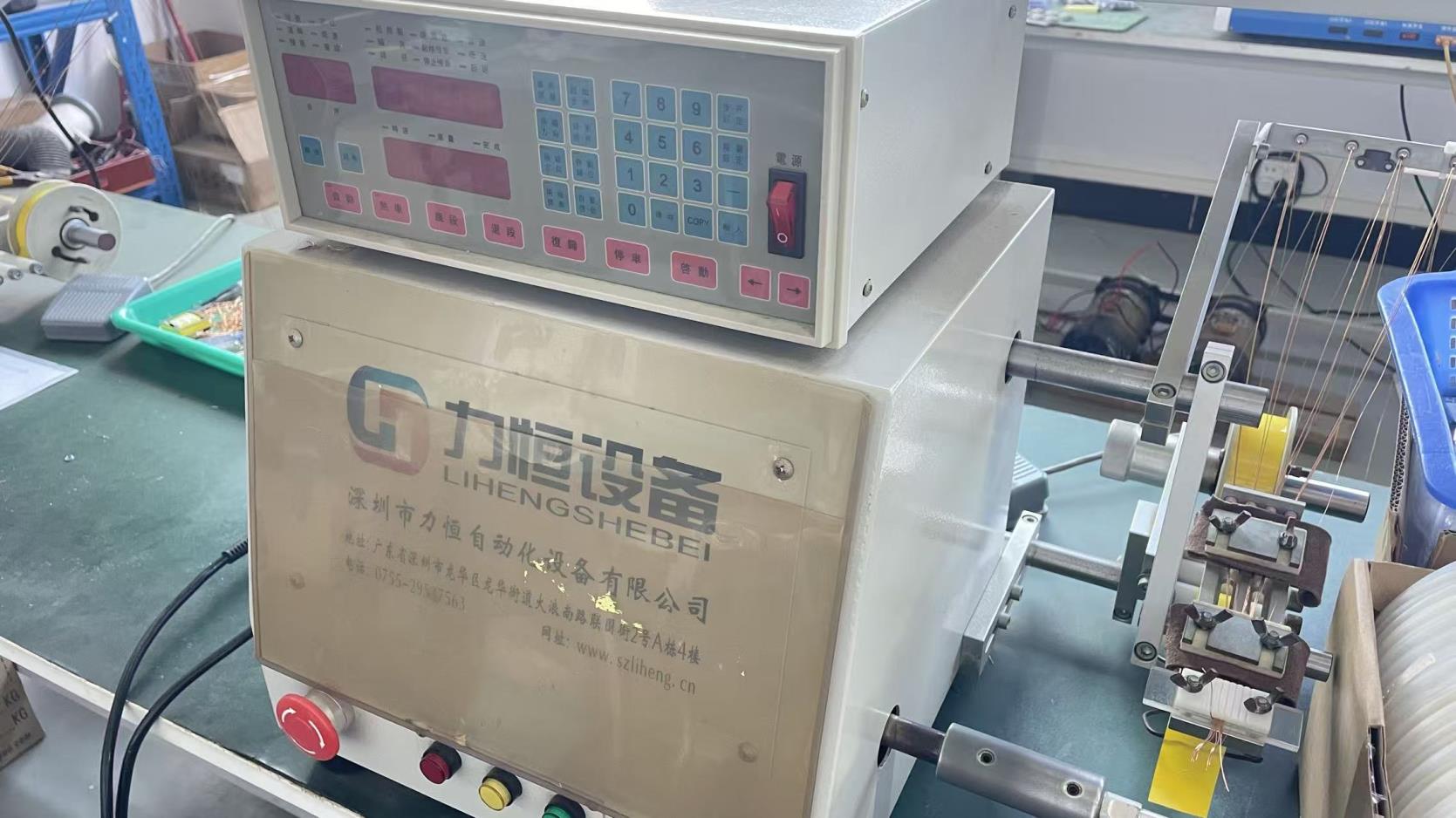 Winding Machine
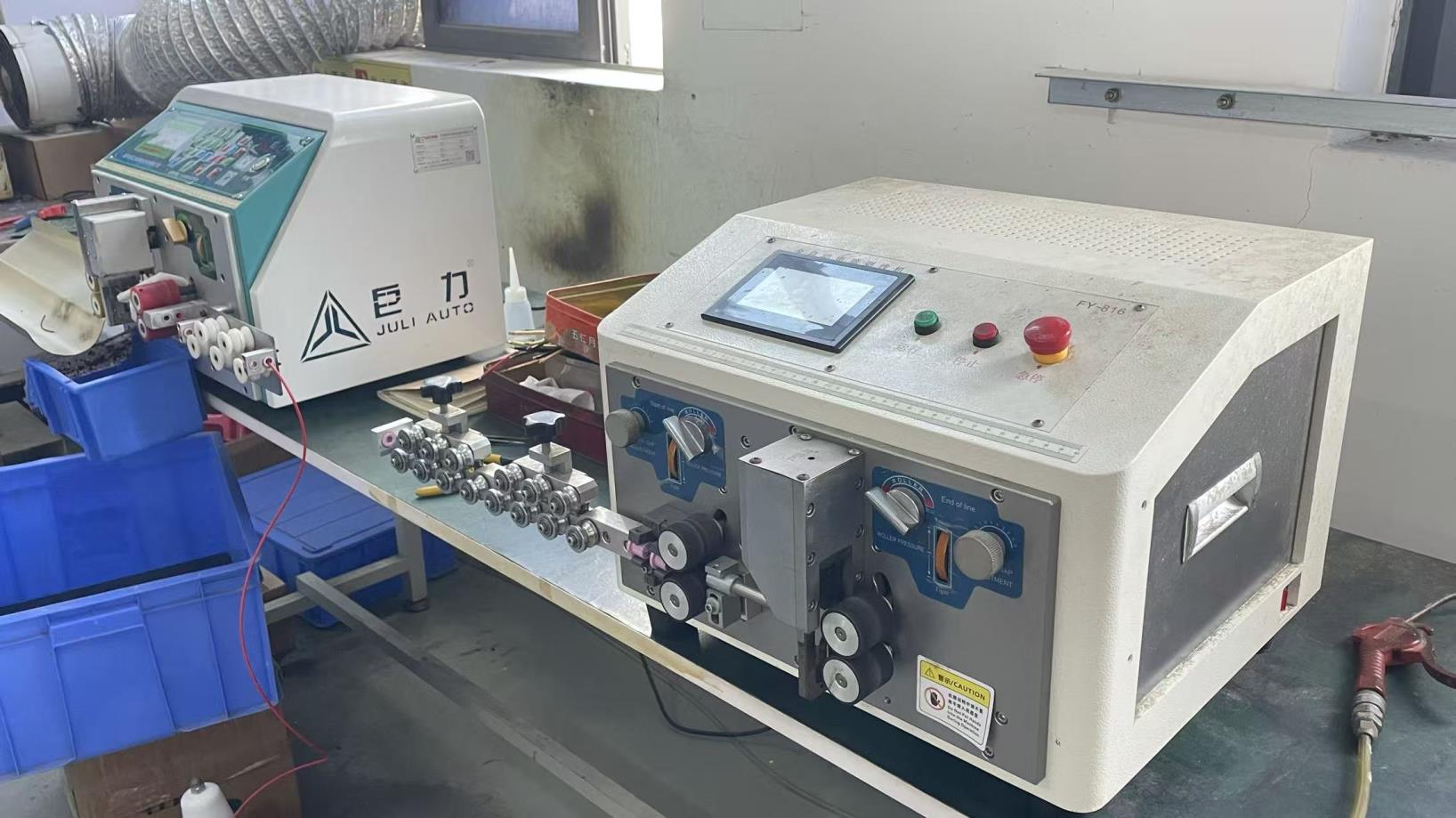
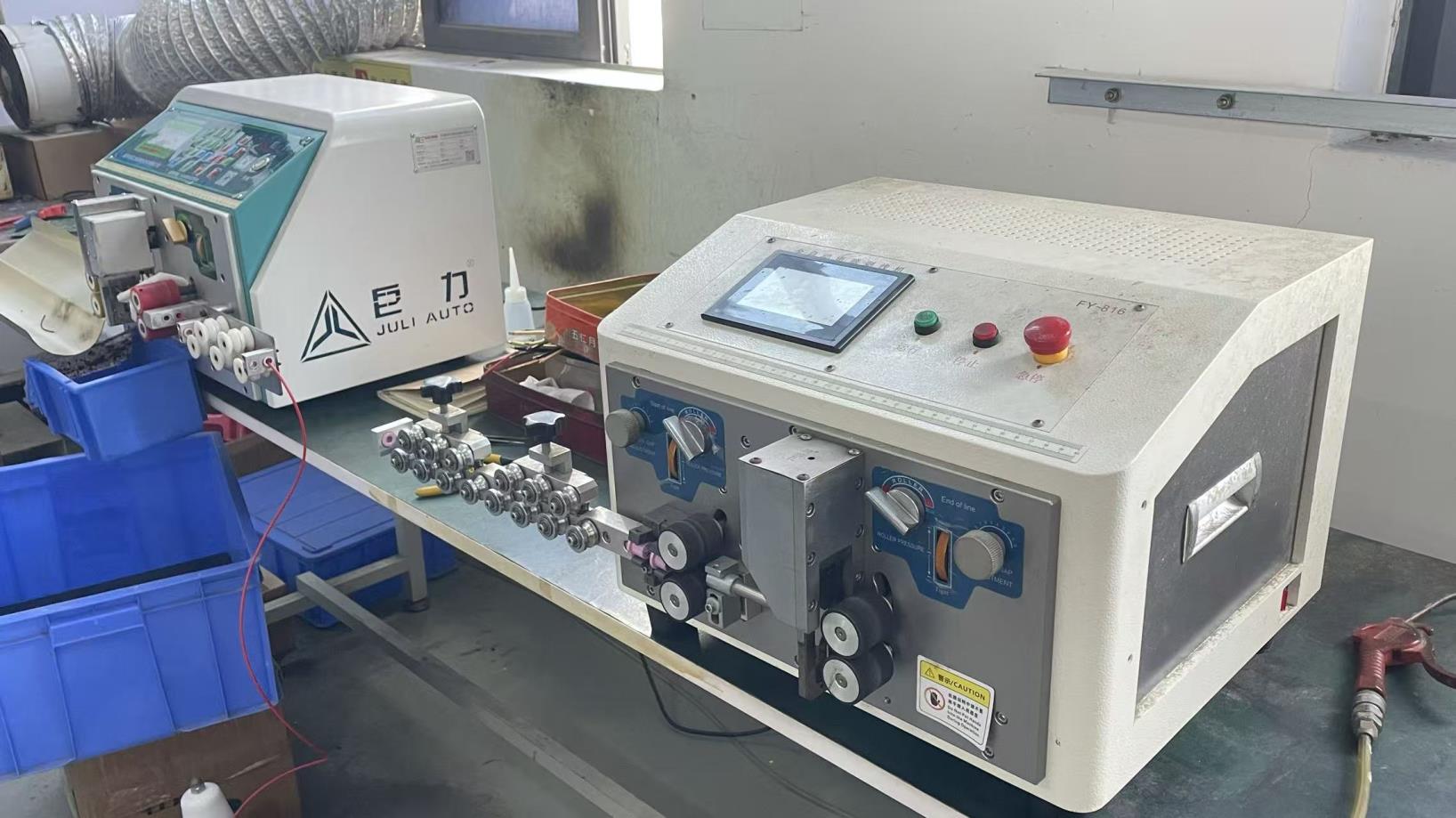 Wire Cutting Machine
 Auto Soldering Machine
 Laser Engraving
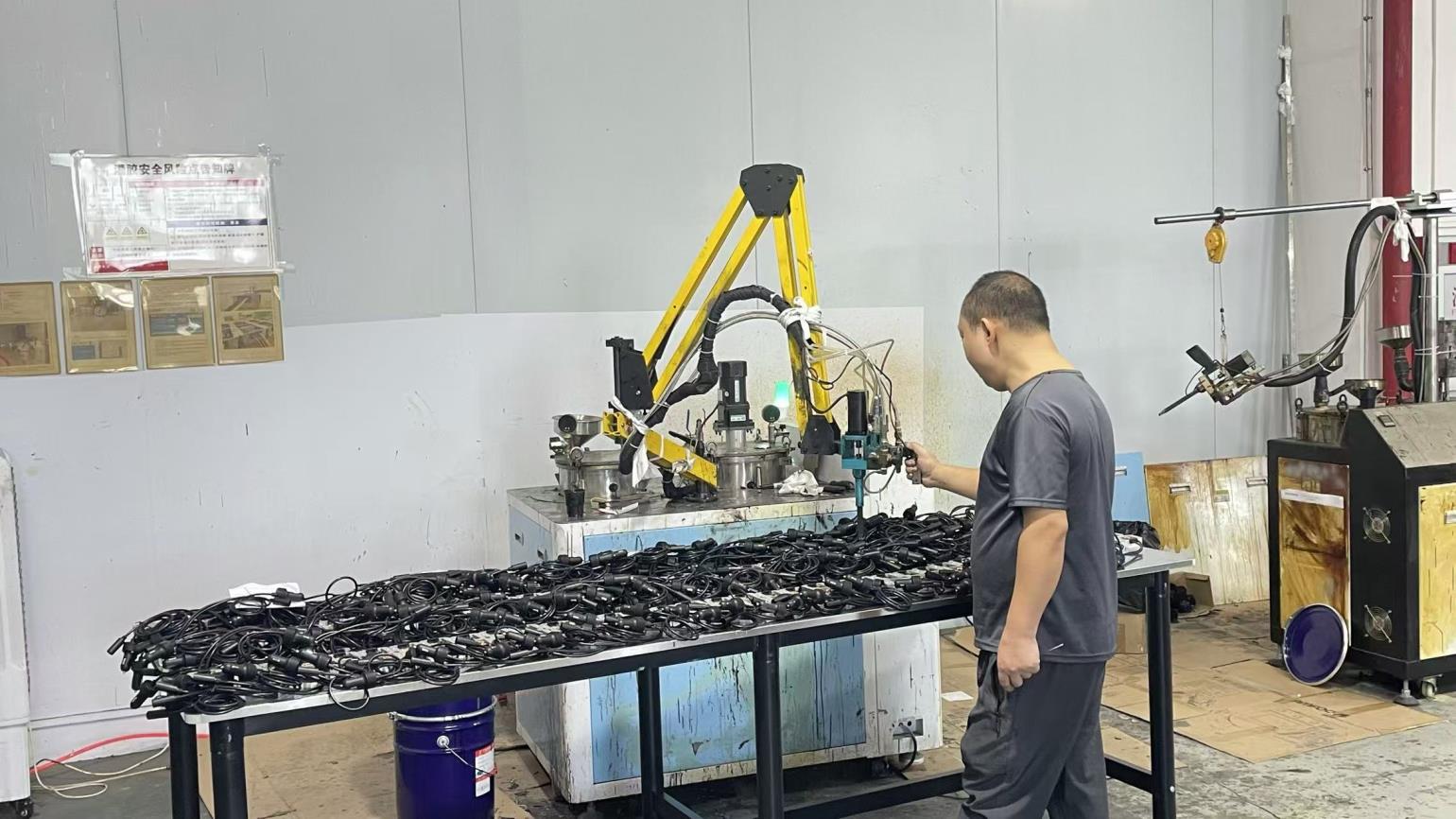 Canning Machine
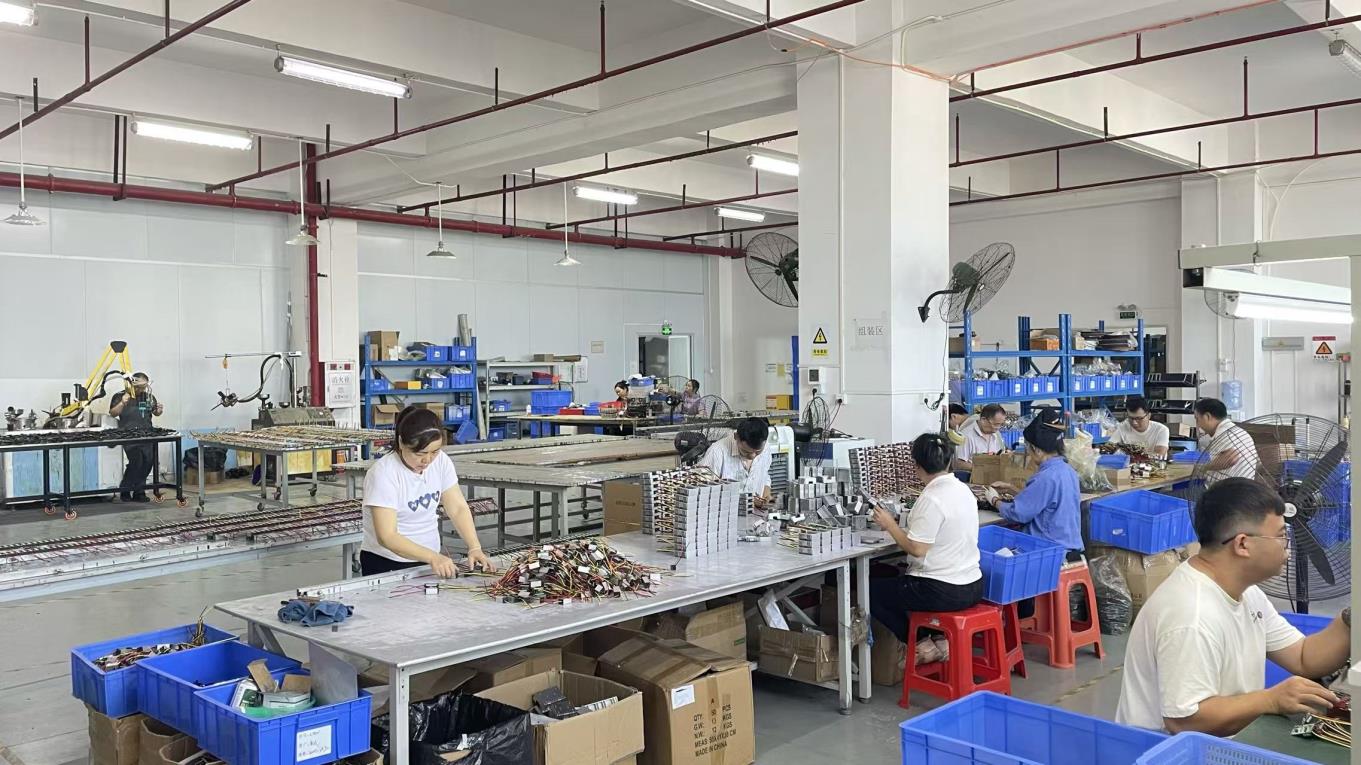
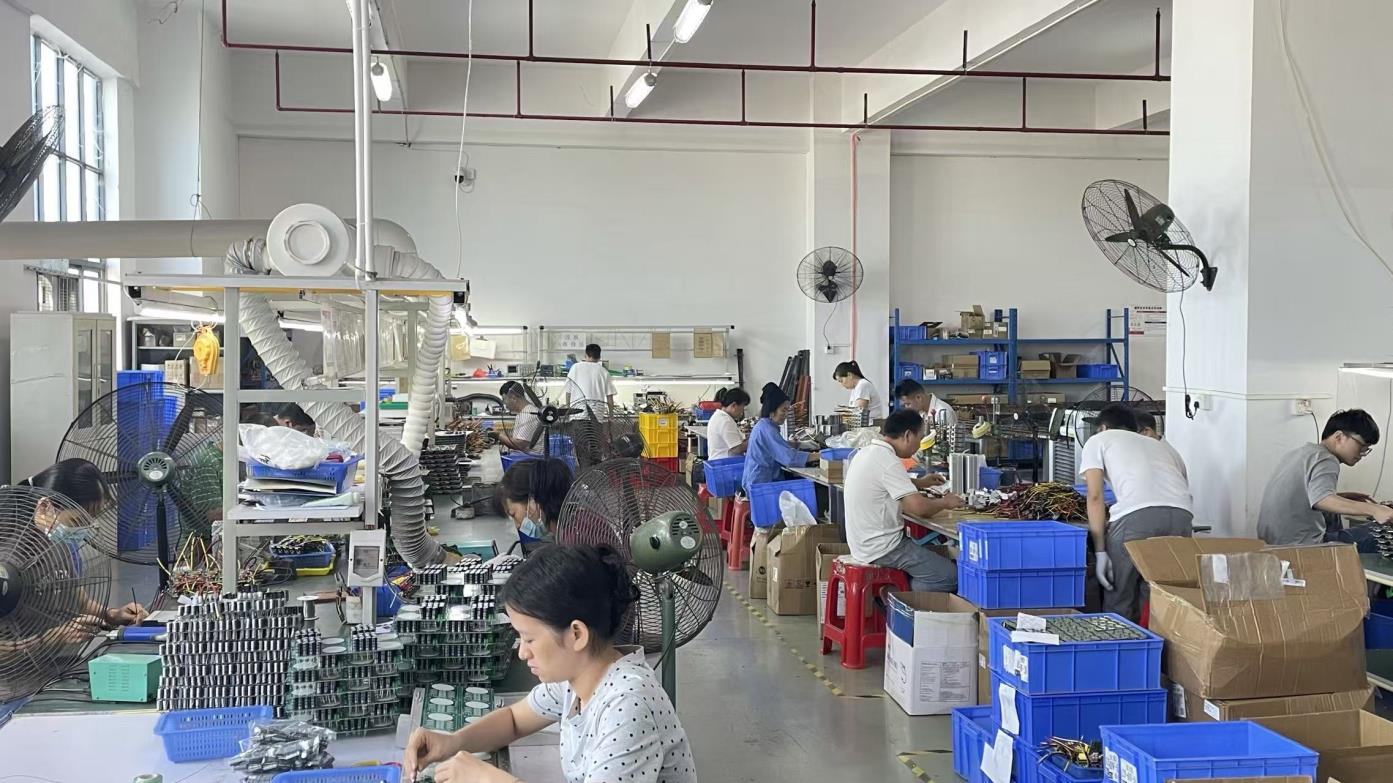 Assembly Line
Ensuring reliable operation through strict diagnostic procedures, thermal cycling, and continuous hardware-in-the-loop stress testing.
Quality assurance at EVS Powers is backed by dynamic simulation testing. Every production run undergoes verification protocols within our specialized lab. We simulate high-voltage transients, sustained thermal exposure, and structural moisture levels to confirm compliance across domestic and international power networks.
 Lab Test Bench
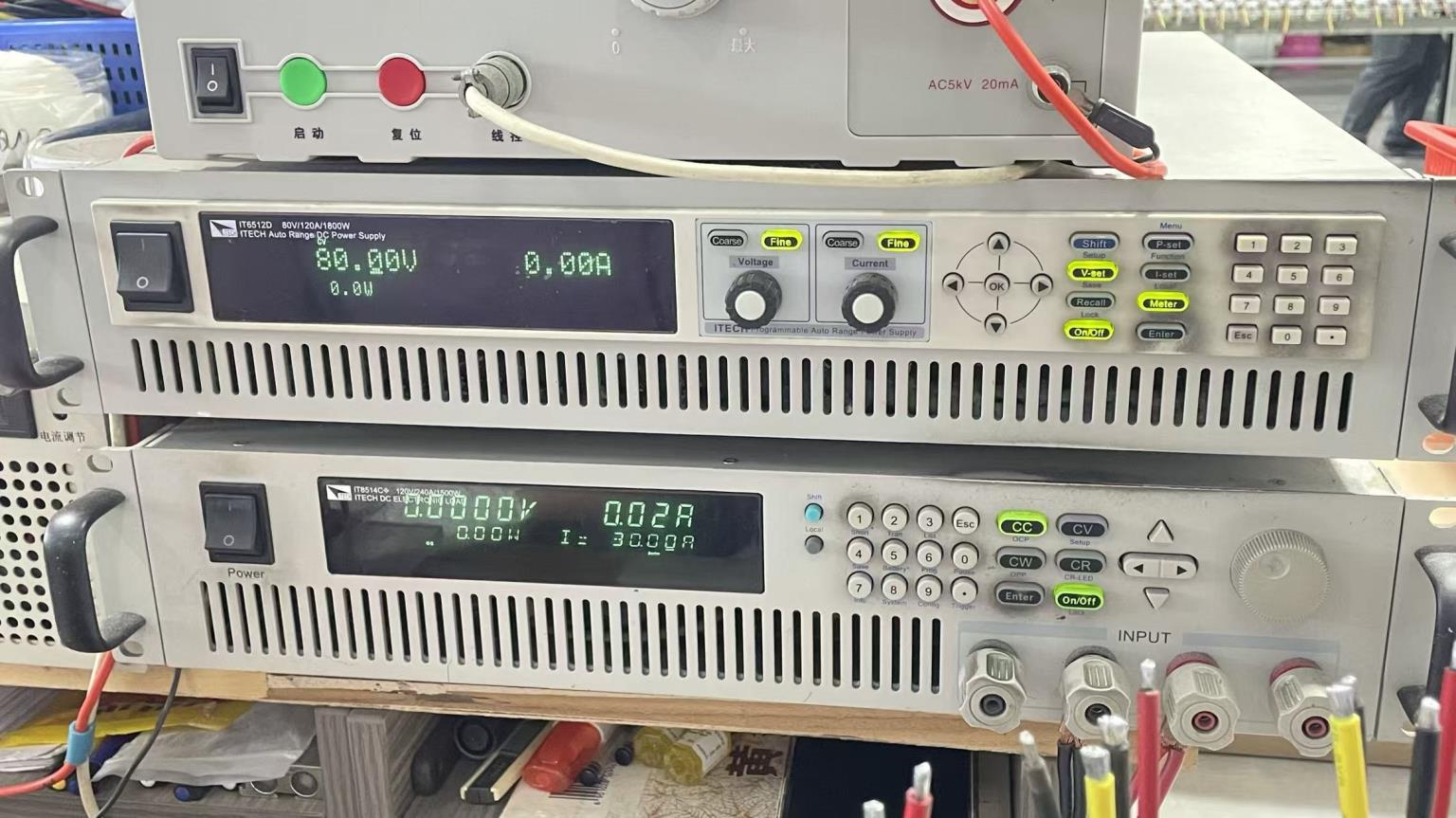 DC Power Supply Tester
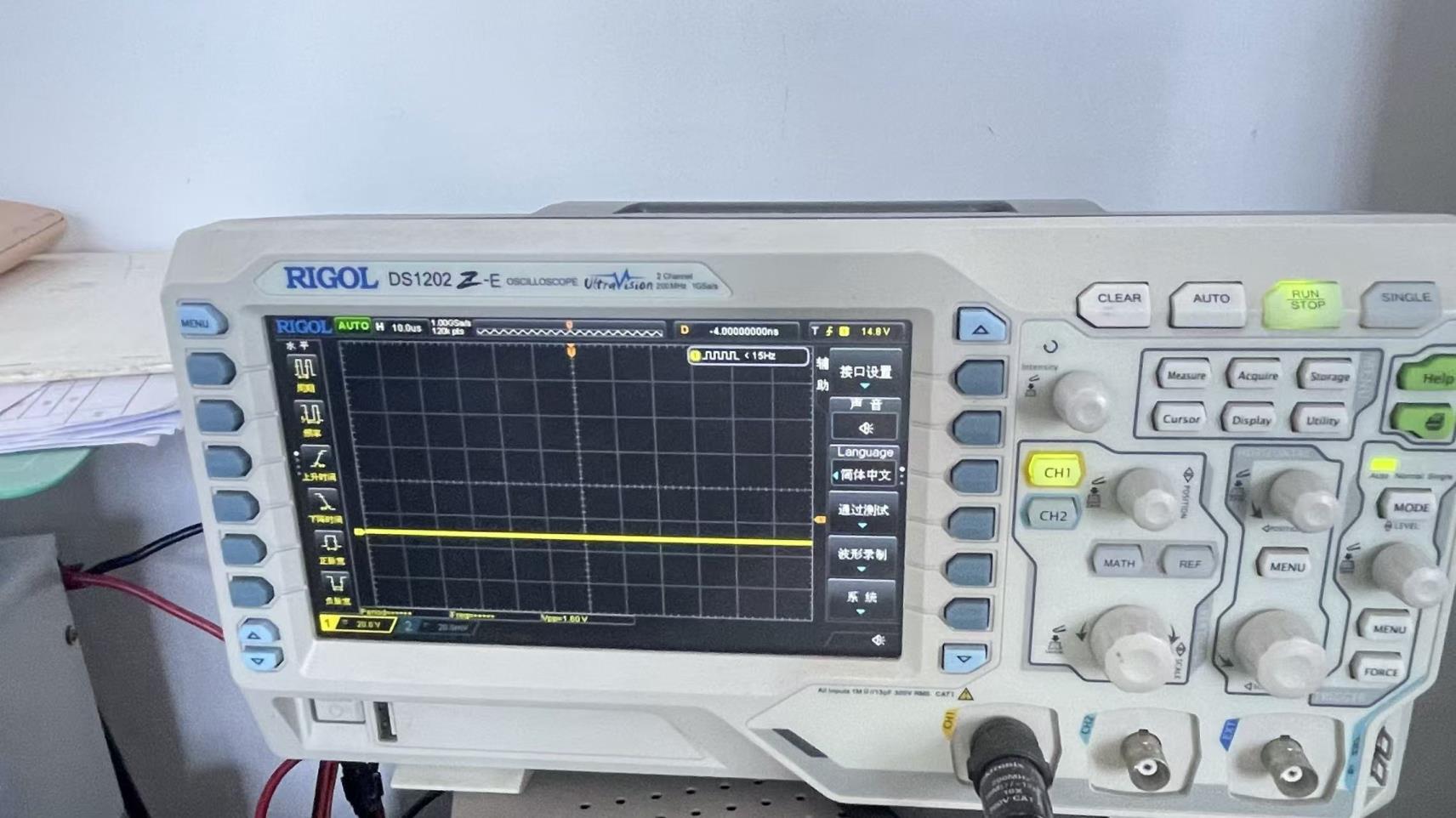 AC Withstand Voltage Tester
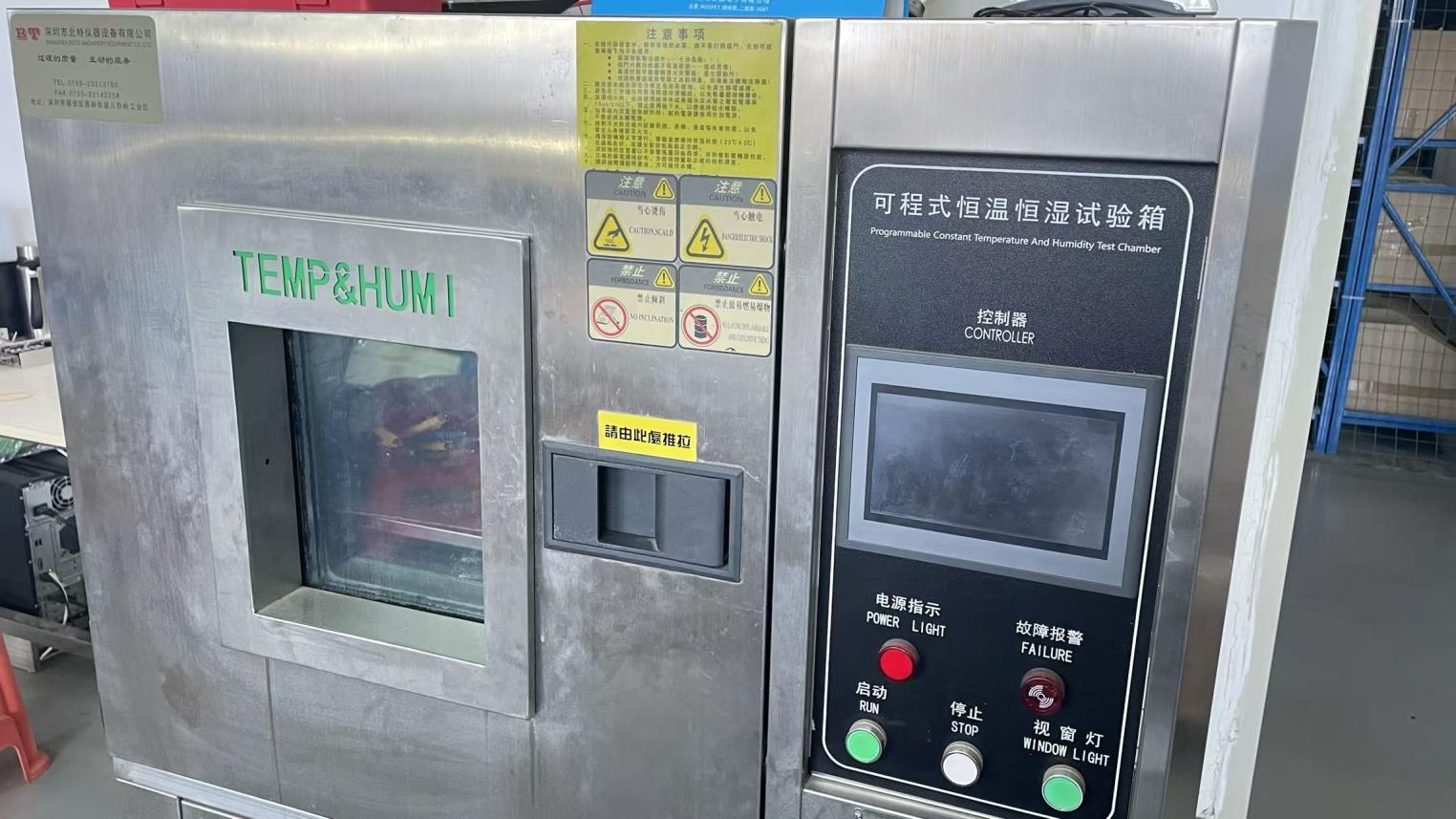 Constant Temp & Humidity Chamber
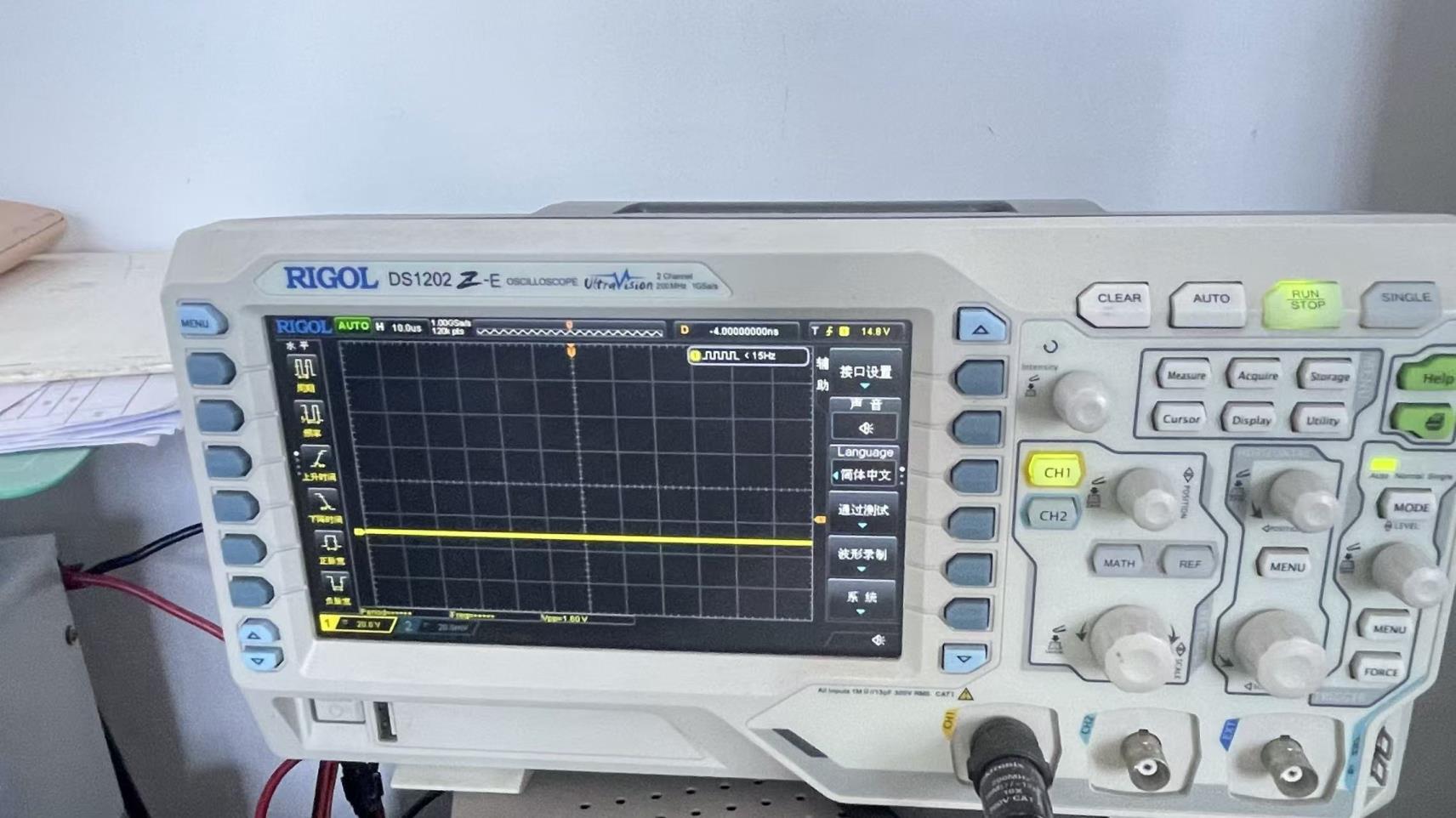 Optical Microscope
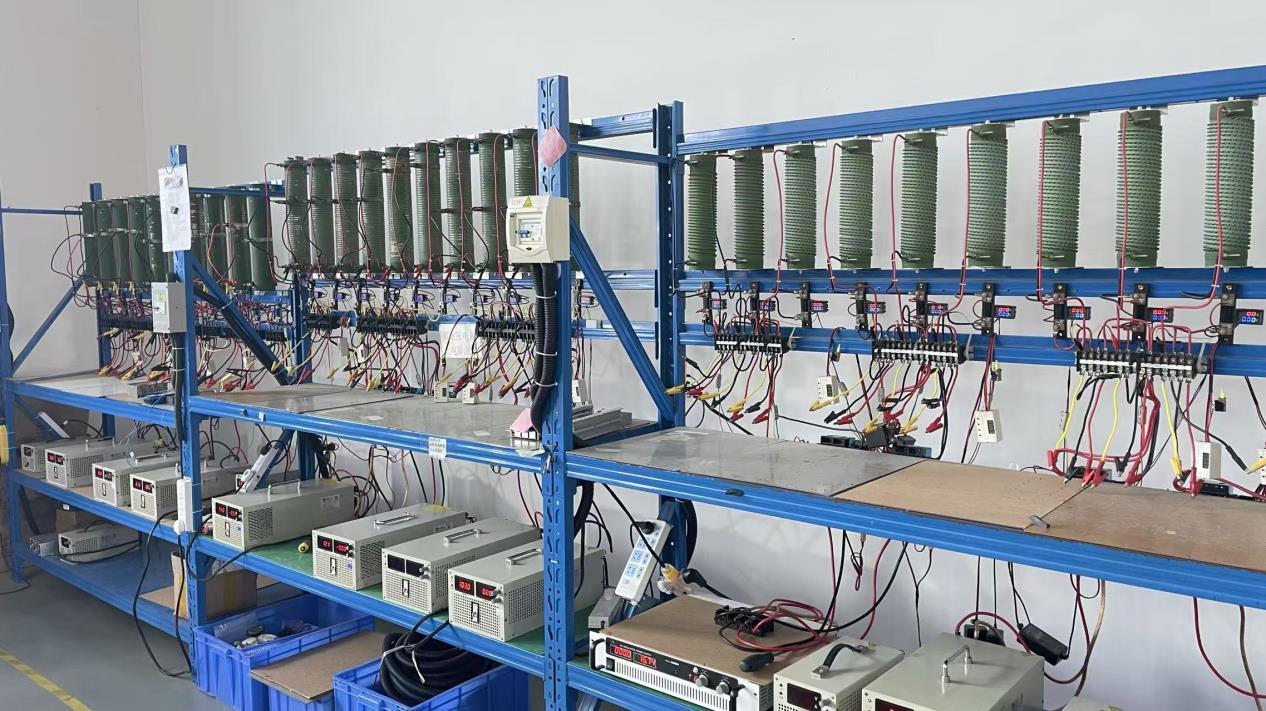 Aging Test Lab
 CAD Engineering & Design
A breakdown of compliance metrics, interoperability parameters, and regional challenges for professional buyers.
For procurement leads across Europe, North America, Australia, and the Middle East, compliance is a critical gatekeeper. EVS Powers products are engineered to align with CE (LVD/EMC) and RoHS criteria. Our components undergo isolation tests to handle voltage fluctuations. In rugged outdoor installations, such as telecom grid towers, our 42U IP55 double-walled cabinets with AC220V integrated air conditioning offer active climate management, protecting internal systems against ingress, salt spray, and extreme temperatures.
Enterprises require power architectures that scale alongside load demands. Our rack-mount inverters (ranging from 1KVA to 10KVA) feature integrated communication interfaces (RS485, SNMP) to enable real-time monitoring and parallel expansion. Scalable topologies permit modular expansion without taking the critical load offline. This minimizes power disruption risk during field modifications or updates.
| System Parameter | Conventional Monolithic UPS | EVS Powers Modular Architecture | Operational Value |
|---|---|---|---|
| Mean Time to Repair (MTTR) | 4 to 12 Hours (requires specialized service technician) | < 5 Minutes (hot-swappable module replacement) | Decreases system downtime by up to 98% |
| Redundancy Configurations | N+1 System Redundancy (requires duplicating whole units) | N+X Module Level Redundancy (granular load distribution) | Lowers initial CAPEX and optimizes physical footprint |
| Low-Load Efficiency (20-30%) | 78% - 85% (high heat output) | 92% - 95% (via active module sleeping logic) | Lowers OPEX and minimizes cabinet thermal loading |
| System Control Topology | Centralized Analog Control Loop | Distributed DSP High-Speed Digital Processing | Improves transient response and harmonic mitigation |
How specialized industries deploy high-frequency power rectifiers, DC/DC converters, and ruggedized cabinets to protect field infrastructure.
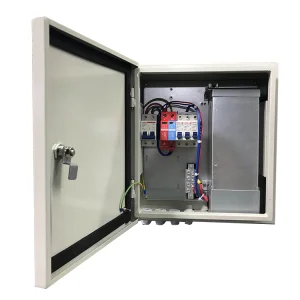
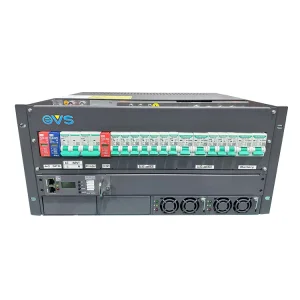
High-density DC rectifier shelves (-48VDC) running Web/SNMP cards integrate into IP55/IP65 cabinets, maintaining signal continuity under volatile grid conditions.
DC/DC buck converters handle 48V/24V/12V conversion steps, protecting delicate motor control units from inductive voltage feedback spikes.
Our 3KW 48V DC-DC single output chargers feature resonant soft-switching to handle high current profiles during dynamic charging phases.
The power engineering industry is transitioning toward high-frequency, silicon carbide (SiC) semiconductor architectures and intelligent software controls. Modern systems do not simply supply standby power; they actively analyze input waveforms, correct power factors, suppress line harmonics (THDi), and balance batteries. Guangzhou EVS Powers continues to integrate these key updates into our power supplies and inverters to protect our clients' equipment from utility-side anomalies.
In-depth technical clarifications regarding design configurations, thermal safety, efficiency optimization, and customization protocols.
Digital Signal Processor (DSP) control loops process system variables digitally, avoiding the drift issues associated with analog components like capacitors and resistors. DSP allows for real-time waveform tracking, precise output regulation under unbalanced loads, dynamic frequency adaptation, and advanced diagnostic monitoring via bus systems (such as RS485 or CANbus). Analog systems are prone to component aging, thermal drift, and present configuration limitations when implementing advanced paralleling control.
Resonant soft-switching technology (such as LLC or phase-shifted full-bridge topologies) switches transistors (IGBTs/MOSFETs) at zero voltage (ZVS) or zero current (ZCS) transition points. Traditional hard-switching exposes components to overlapping voltage and current spikes during state changes, producing high thermal waste and RF noise. Soft-switching minimizes these transition losses, allowing our modules to run cooler, fit smaller 1U rack heights, and operate at high efficiency levels.
Important criteria include the IP ingress protection level (such as IP55 for dust protection and low-pressure water jet resistance), thermal dissipation mechanisms (heat exchangers vs. integrated active air conditioners like our AC220V units), material integrity (galvanized steel or double-walled aluminum), and robust multi-point lock systems. Active air cooling prevents thermal runaway in lithium-ion or lead-acid batteries when ambient outdoor temperatures rise beyond 45°C.
The choice of -48VDC dates back to early telephone infrastructure. Historically, using negative voltage relative to the ground inhibits galvanic electrochemical corrosion on wiring connections caused by moisture and electrical fields. Furthermore, a nominal 48V rating is high enough to transmit power across moderate distances without excessive cable losses, while remaining within safety limits for low-voltage systems.
Our engineering division supports custom voltage adaptation (such as high-voltage DC options like 300V, 500V, or 800V inputs), customized enclosure dimensions, target connectors (including heavy-duty industrial plugs), modified cooling profiles (forced air vs. natural convection), custom communication SDKs, and customized firmware configurations for specialized charging profiles (such as AGV lithium pack parameters).
Premium rack-mount rectifiers, pure sine-wave inverters, and high-frequency battery chargers built for mission-critical applications.

 EVS Powers