Pioneering industrial-grade power solutions built with digital telemetry, hot-swappable redundancy, and certified reliability standards.
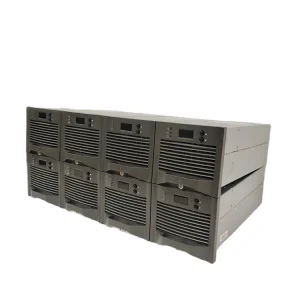
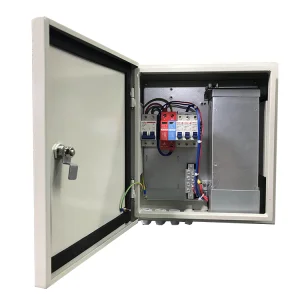
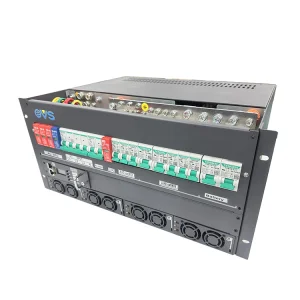
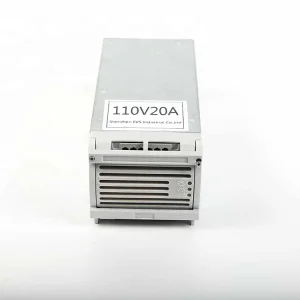
In the modern era of industrial automation, smart infrastructure, and dense telecommunication grids, energy conservation is no longer merely a compliance checkbox—it is a critical driver of total cost of ownership (TCO). Power designs are transitioning toward high-density topologies such as LLC resonant converters, active clamp forward stages, and phase-shifted full-bridge systems to satisfy modern spatial and thermal restrictions.
An experienced Compact DC Converter Factory acts as more than a manufacturing site; it serves as a critical co-design and engineering partner. By implementing wide-bandgap (WBG) materials like Silicon Carbide (SiC) and Gallium Nitride (GaN), advanced power architectures are breaking boundaries in efficiency and power density. These advancements directly address complex OEM requirements, such as transient response rates, strict EMI envelopes (CISPR 32 Class B), and smart network telemetry via SNMP and PMBus protocols.
Whether the requirement is a rugged outdoor telecom cabinet or a high-amperage modular rectifier for EV infrastructure, matching the operating profile with specialized factory topologies remains essential. This guide delivers the technical insights required to optimize sourcing strategies in this rapidly changing sector.
Guaranteed conversion metrics for next-gen telecom and smart EV charging infrastructures.
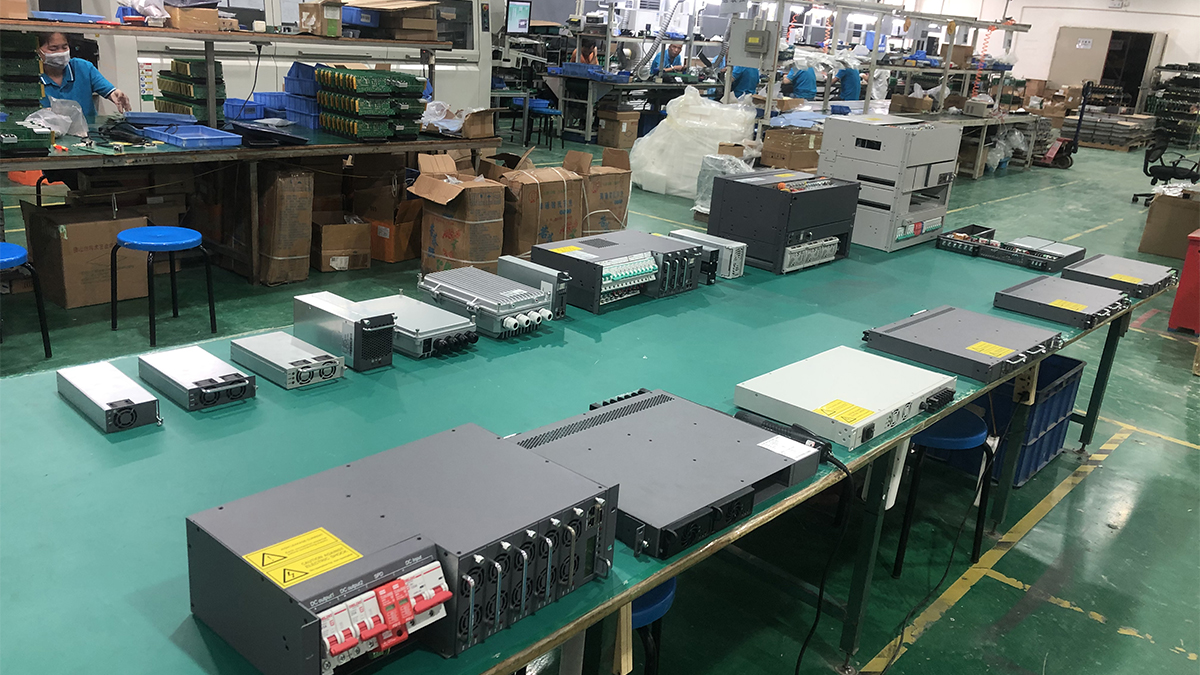
Guangzhou EVS Powers Co., Ltd. is located in the international trade hub of Guangzhou. As a professional manufacturer of switching power supplies, DC power systems, power supply units, DC-DC converters, and power inverter series products, EVS delivers customized OEM/ODM electronics manufactured to strict international quality standards.
We define client satisfaction as our primary objective, product quality as our foundation for development, and system-level cost-efficiency as a core competitive advantage. Supported by excellent credit ratings and responsive engineering support, EVS has developed long-term partnerships in domestic and international markets, including Europe, North and South America, Australia, the Middle East, and Southeast Asia.
Operating with a commitment to technical integrity, we actively share our engineering knowledge, processing capabilities, and production expertise with partners. This collaborative approach drives mutual growth and technological progress across the industrial electronics landscape.
EVS integrates end-to-end manufacturing with rigorous quality checkpoints, ensuring consistent reliability for every shipped power module.
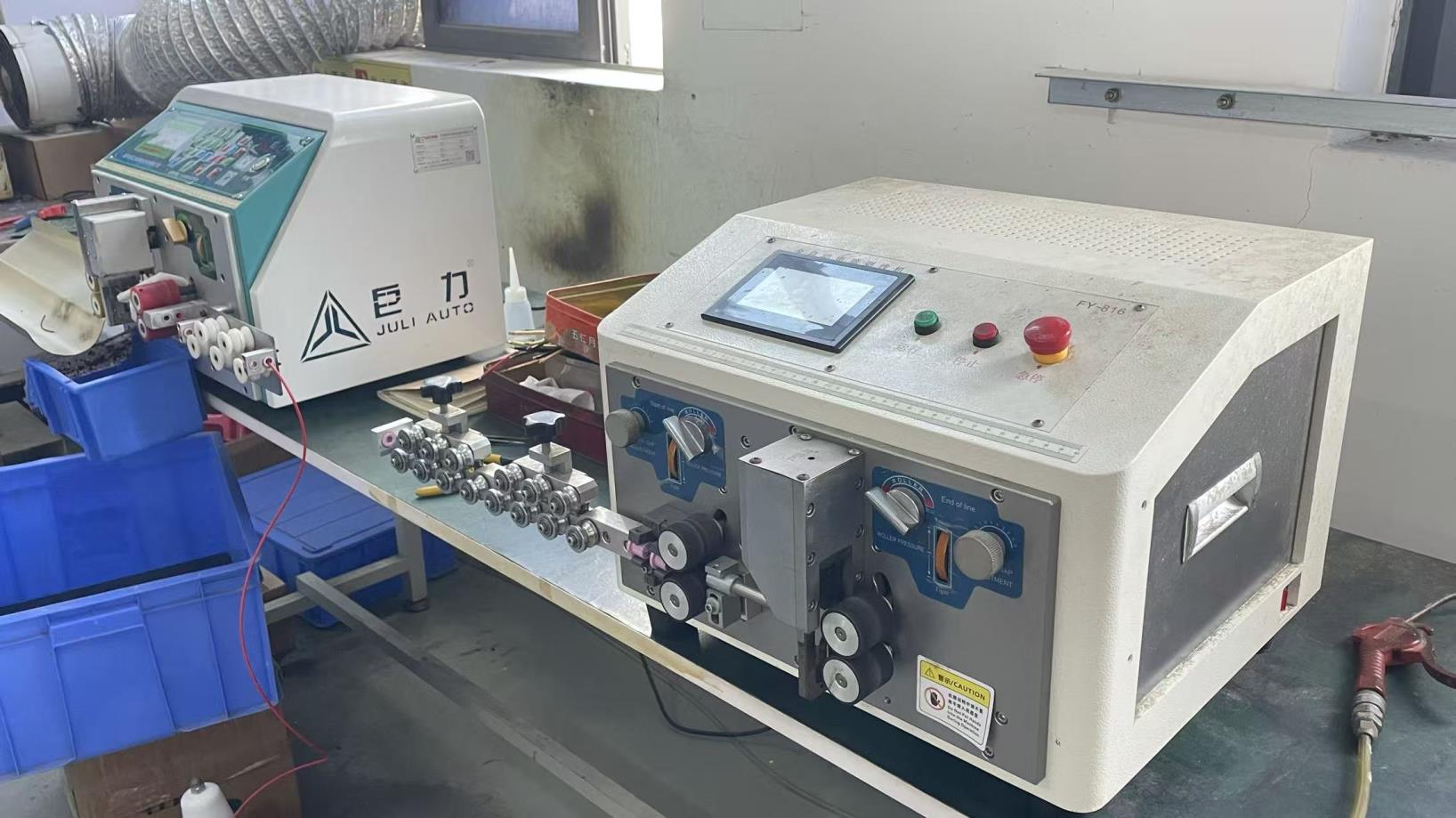
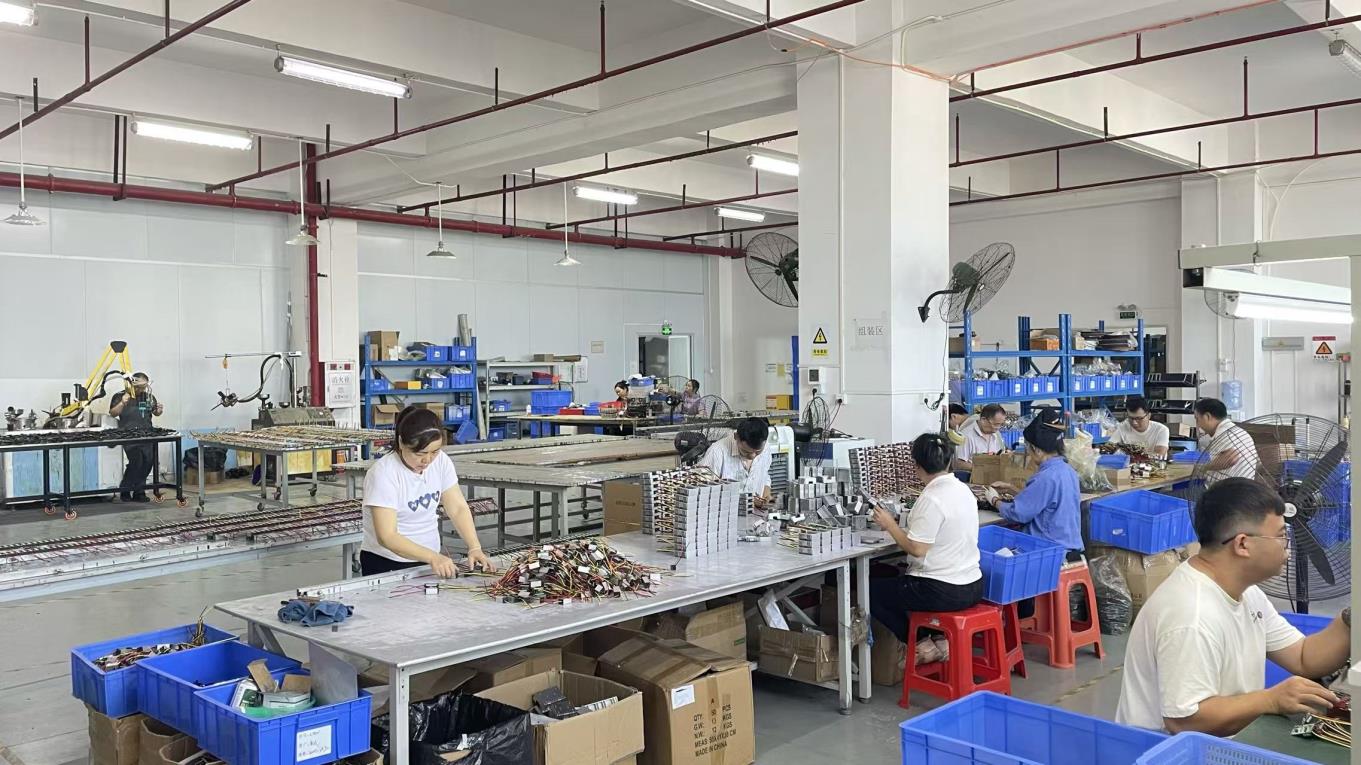

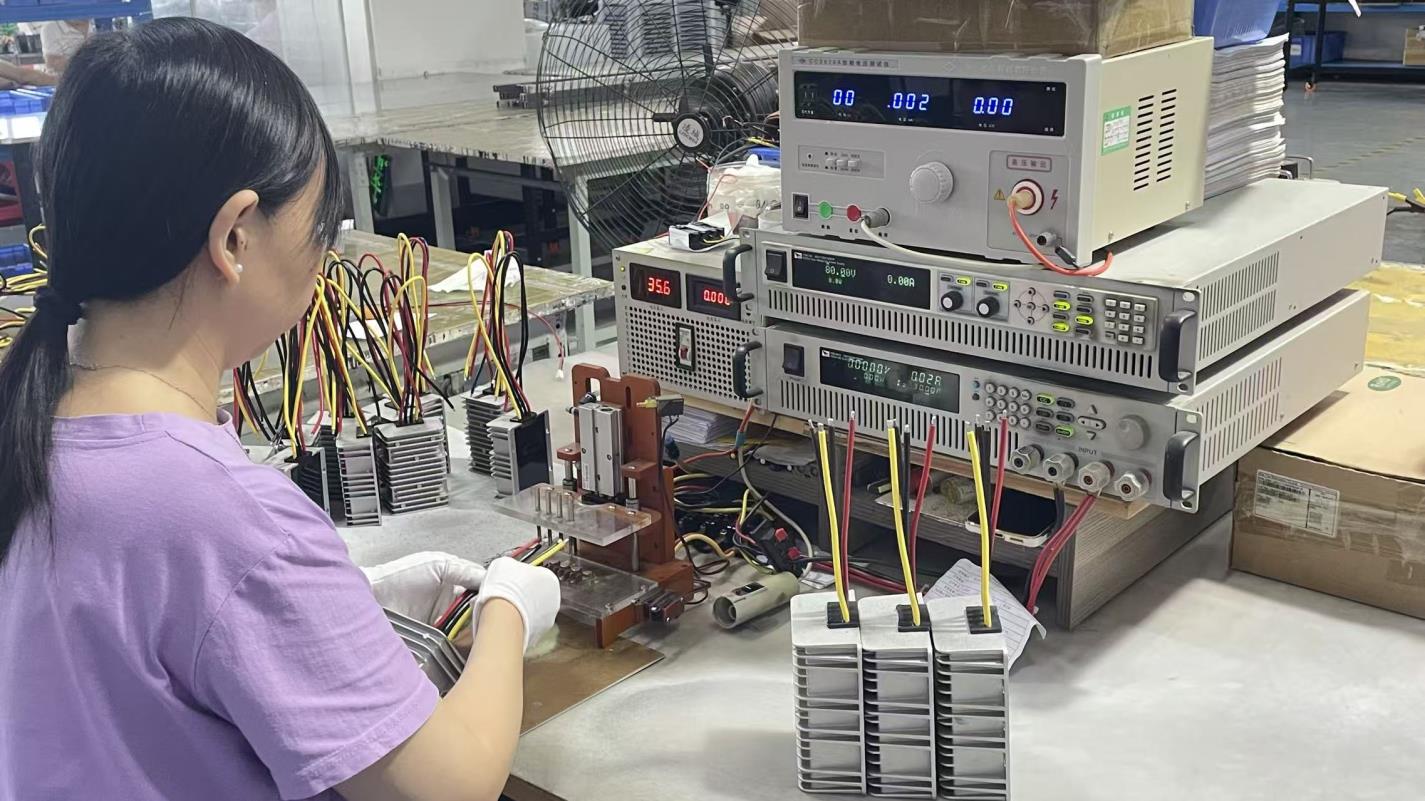
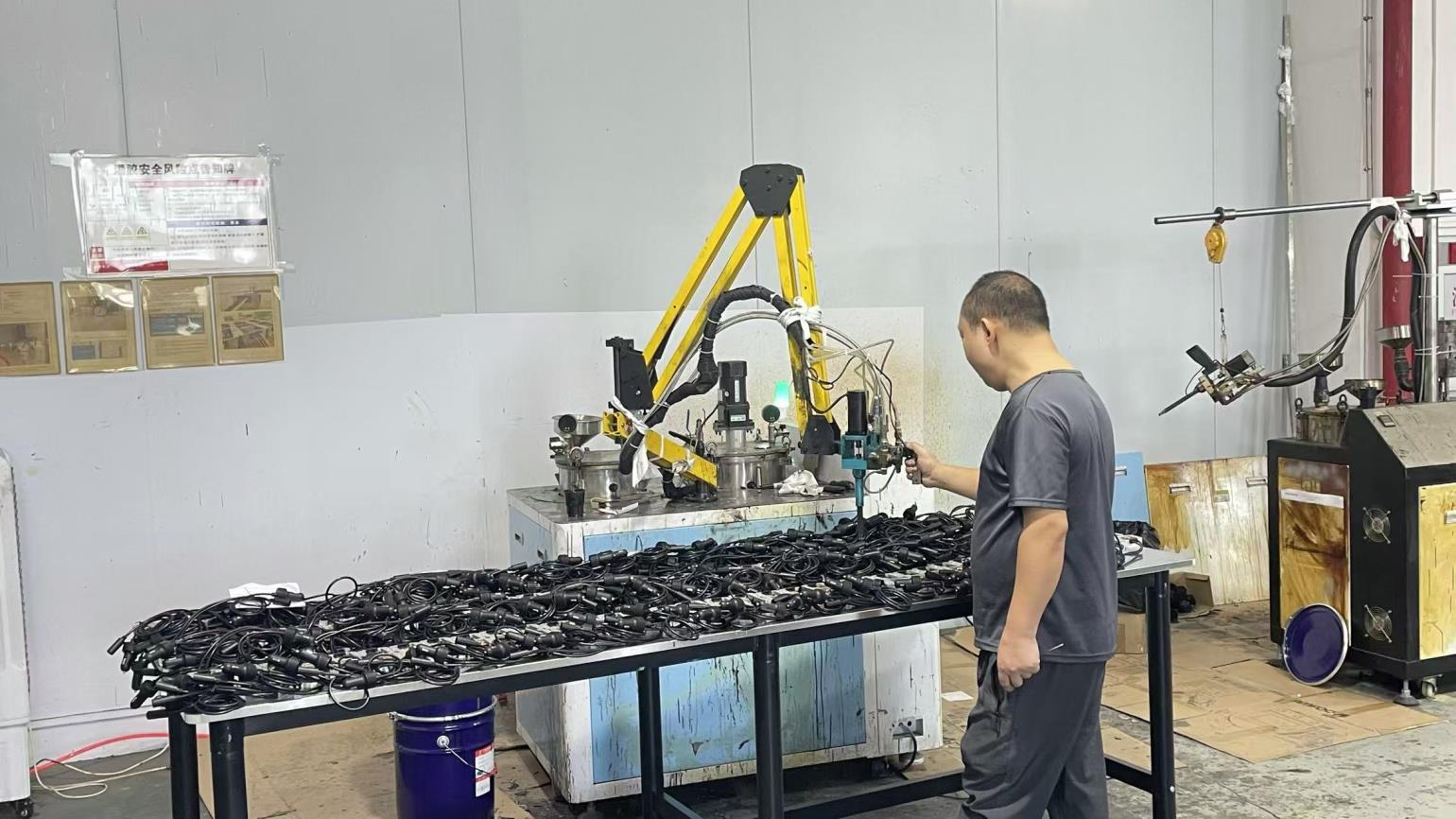
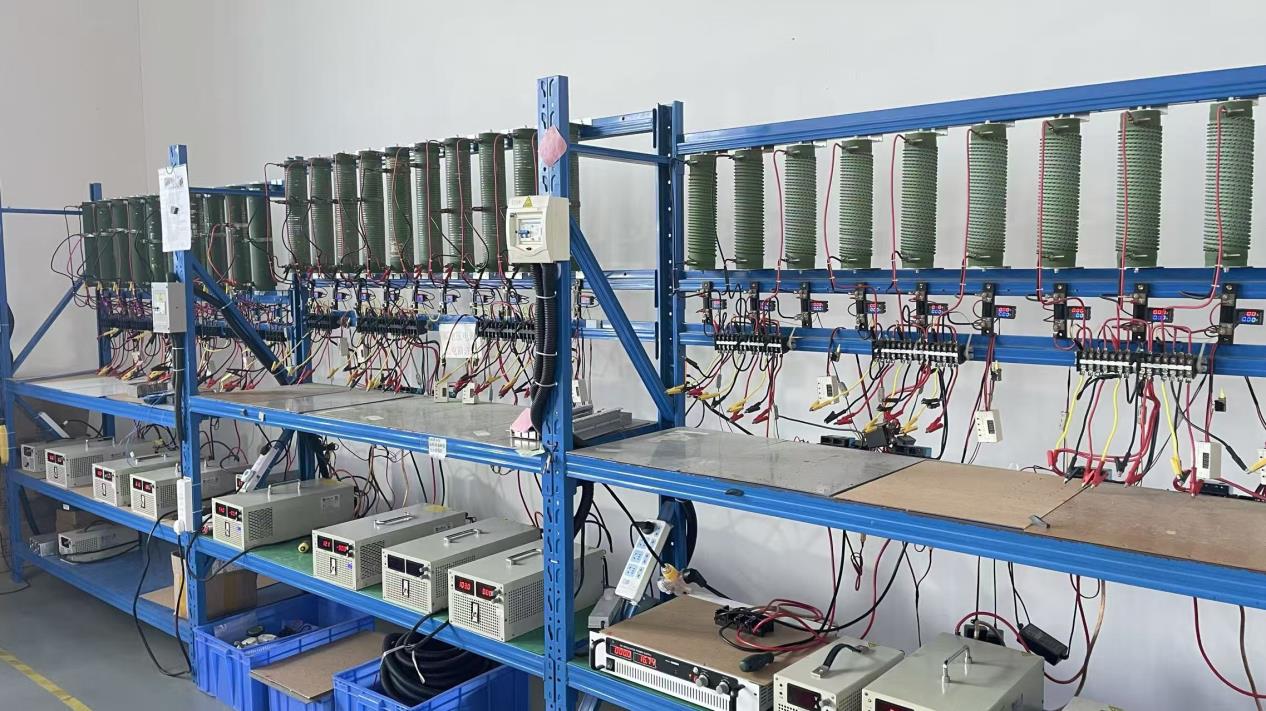
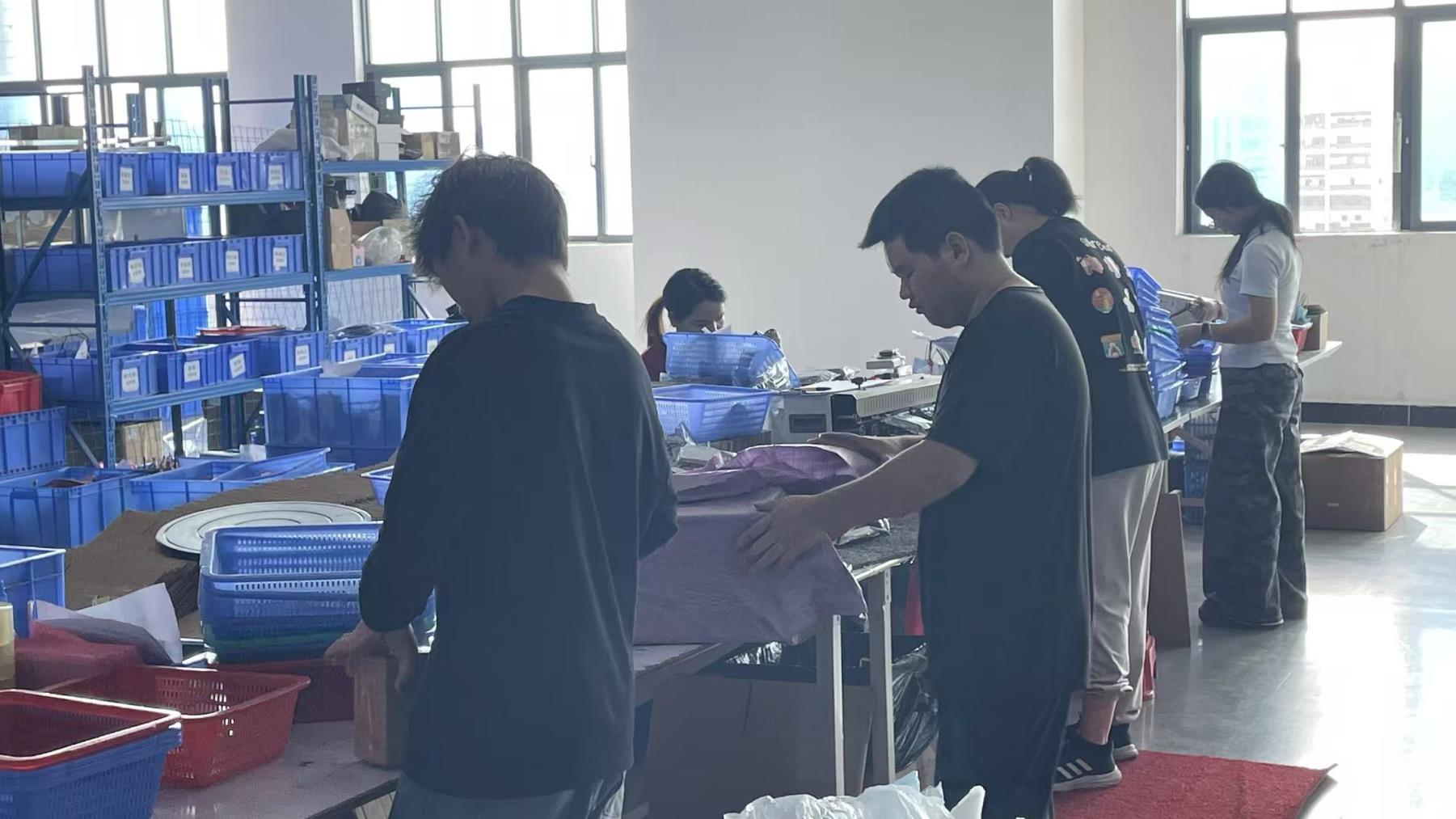
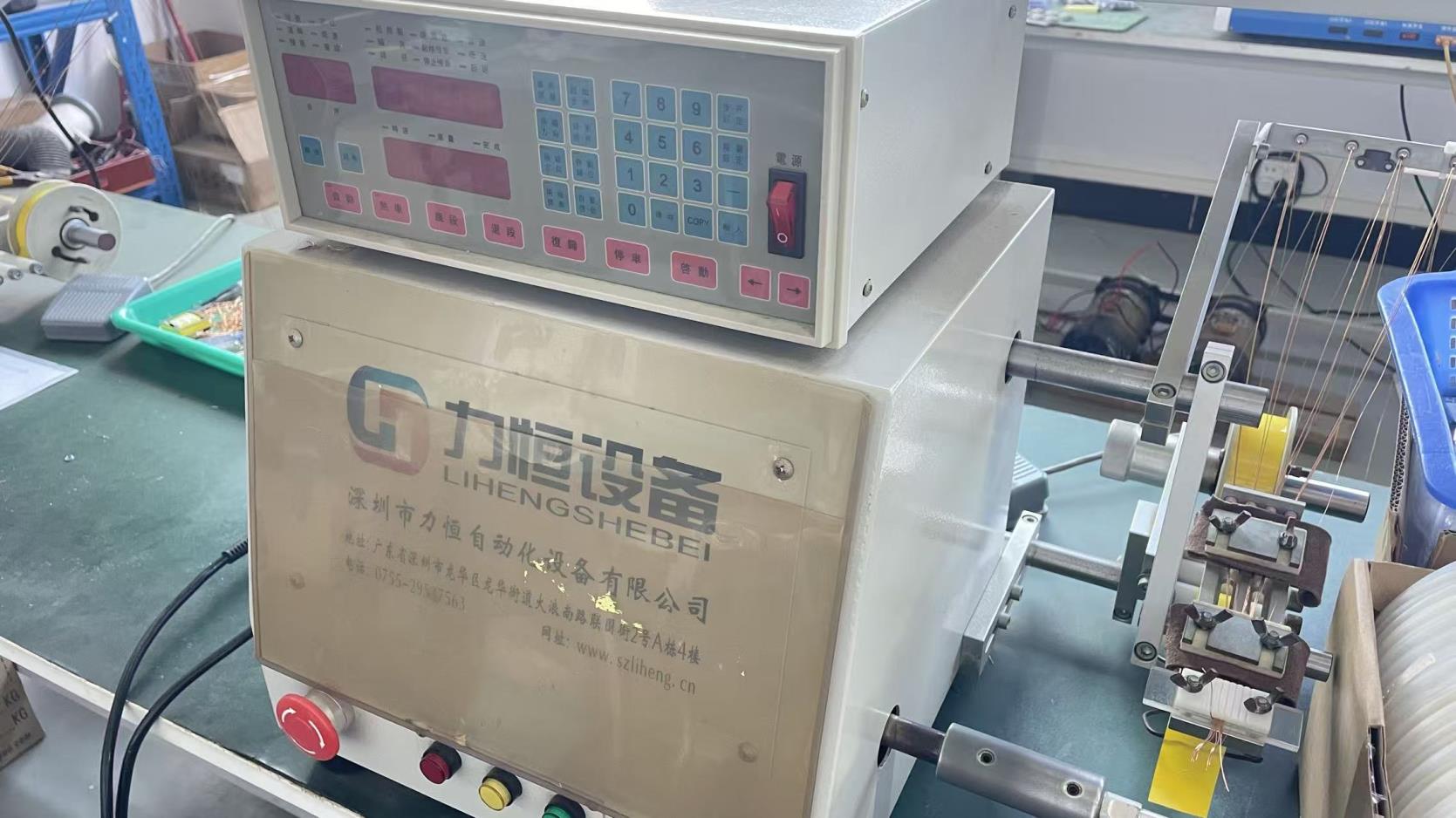
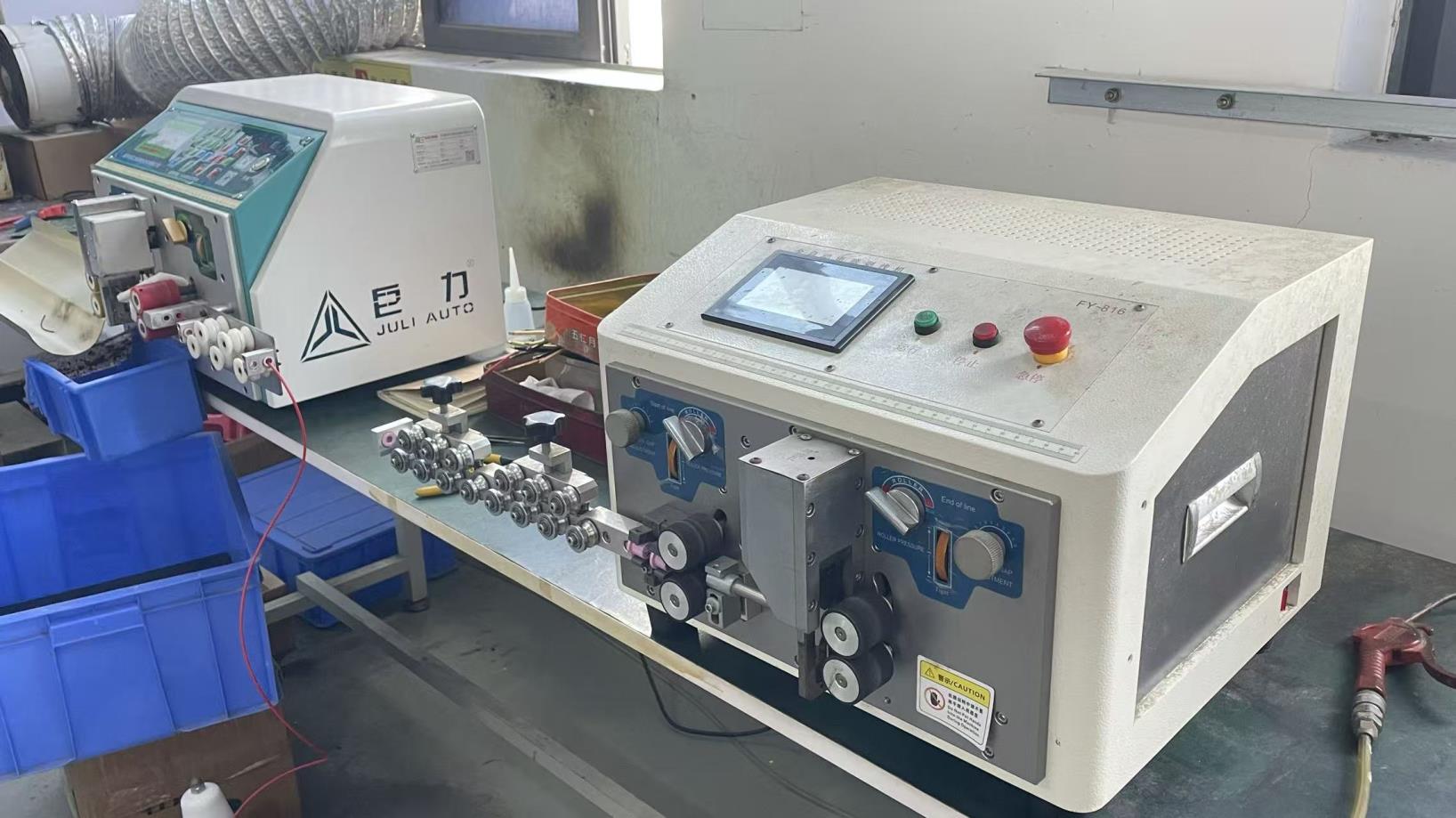


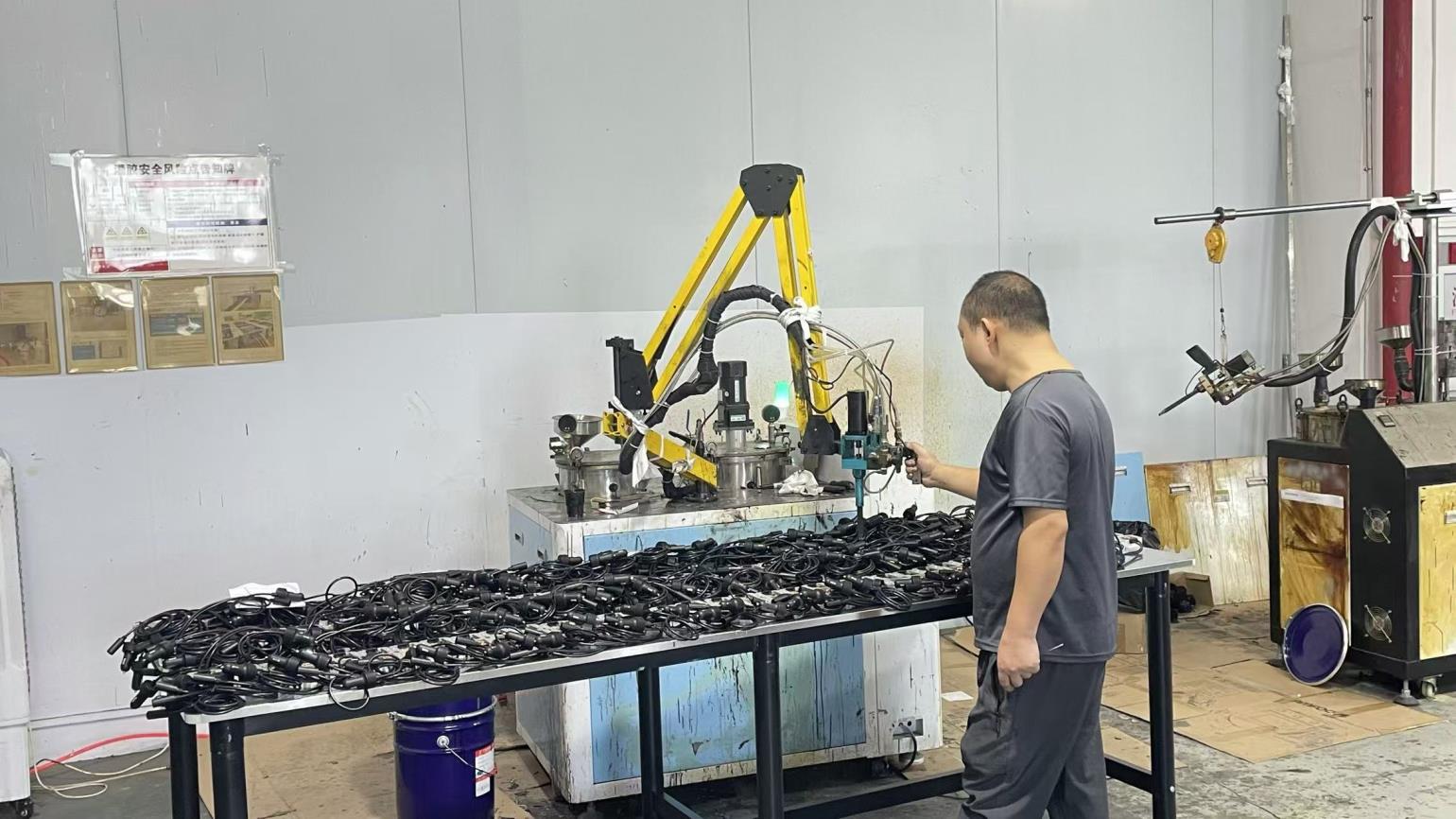
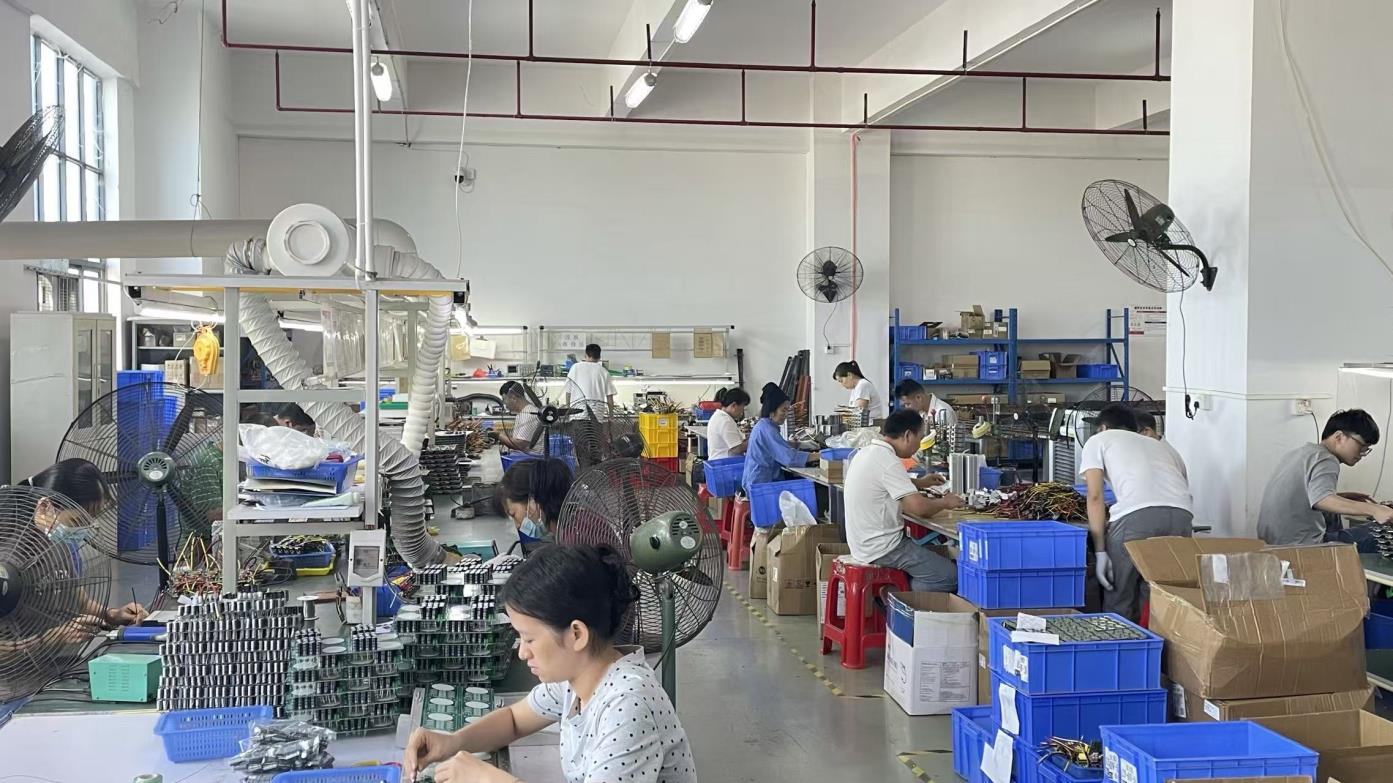
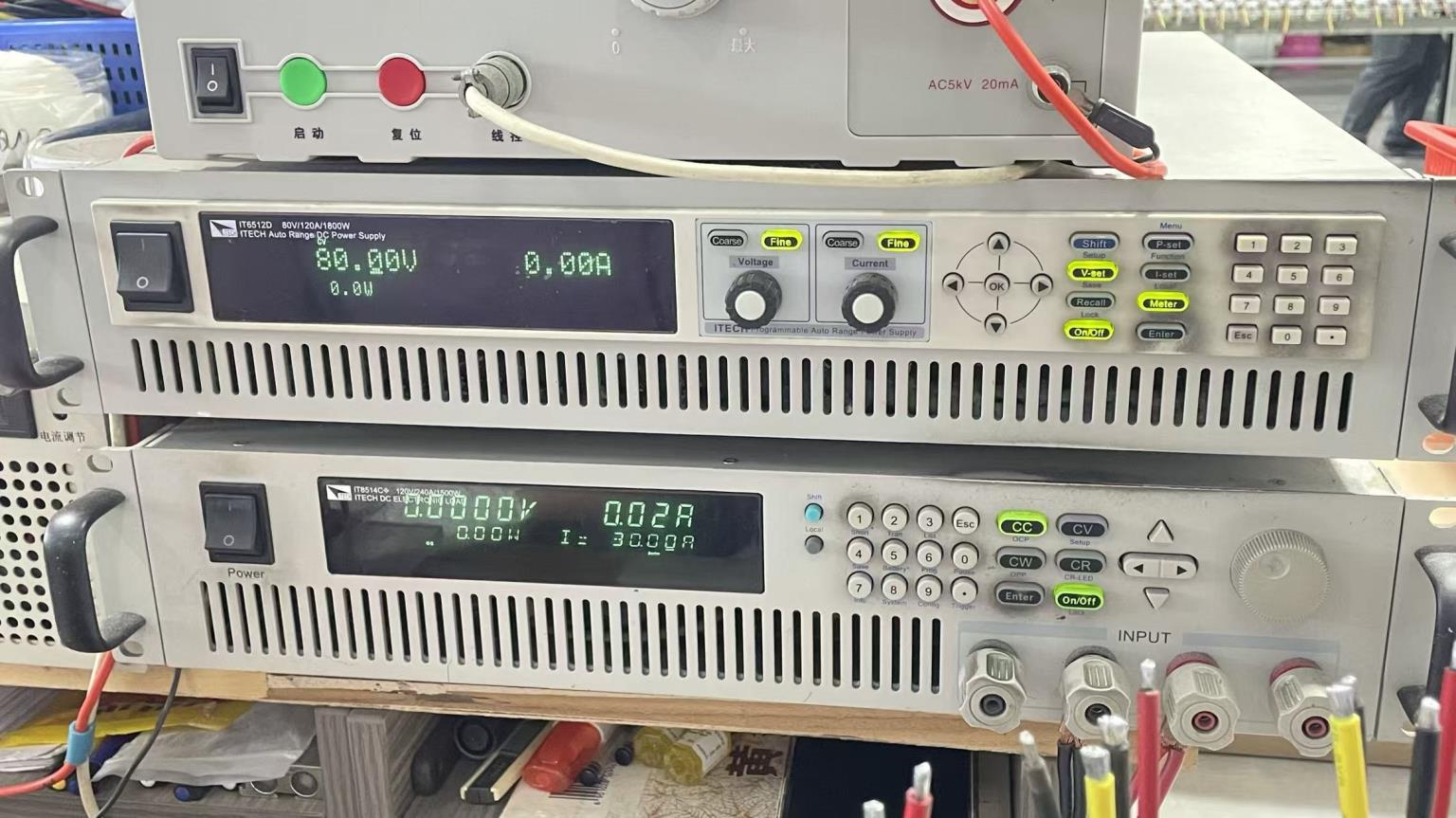
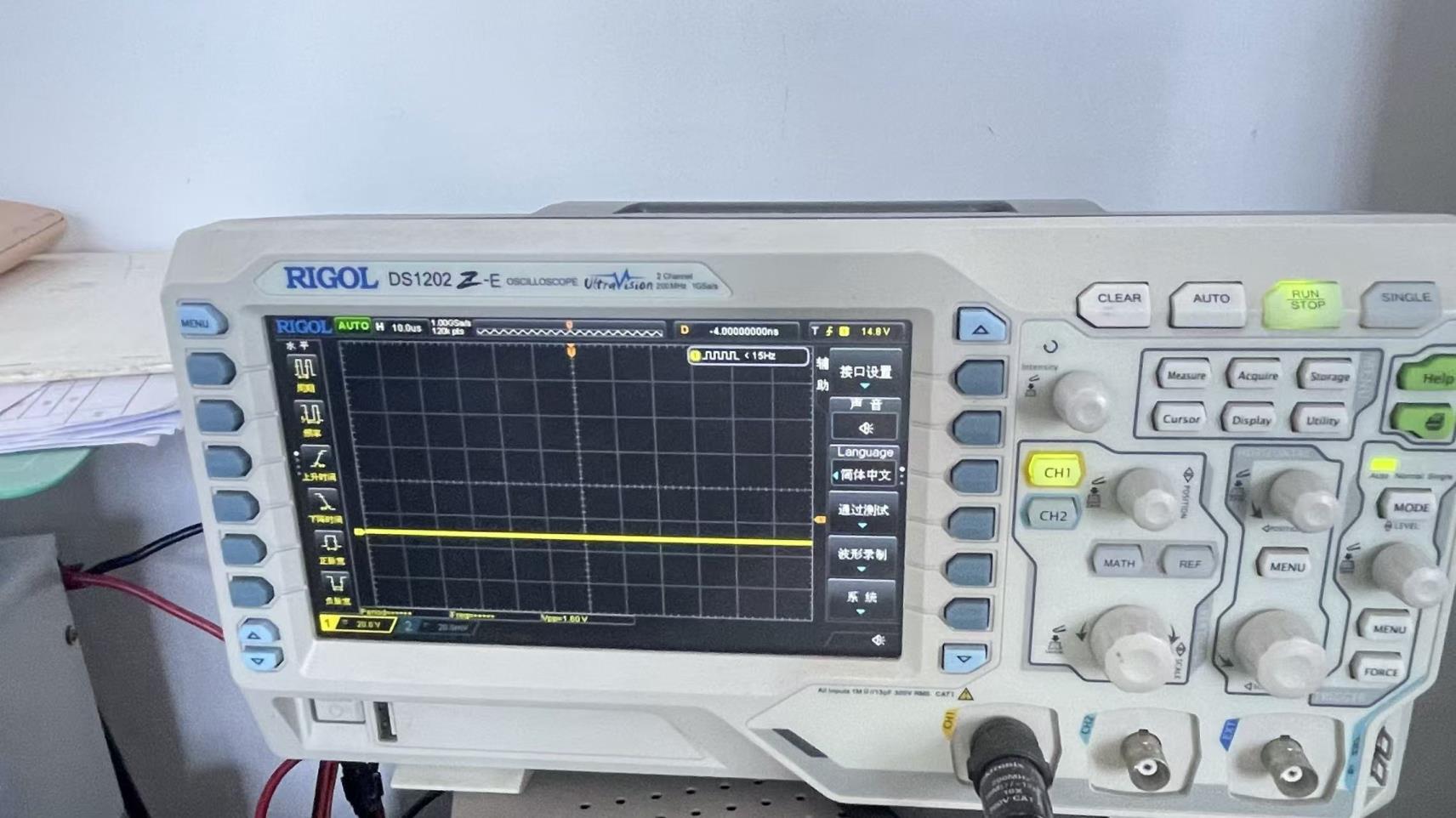
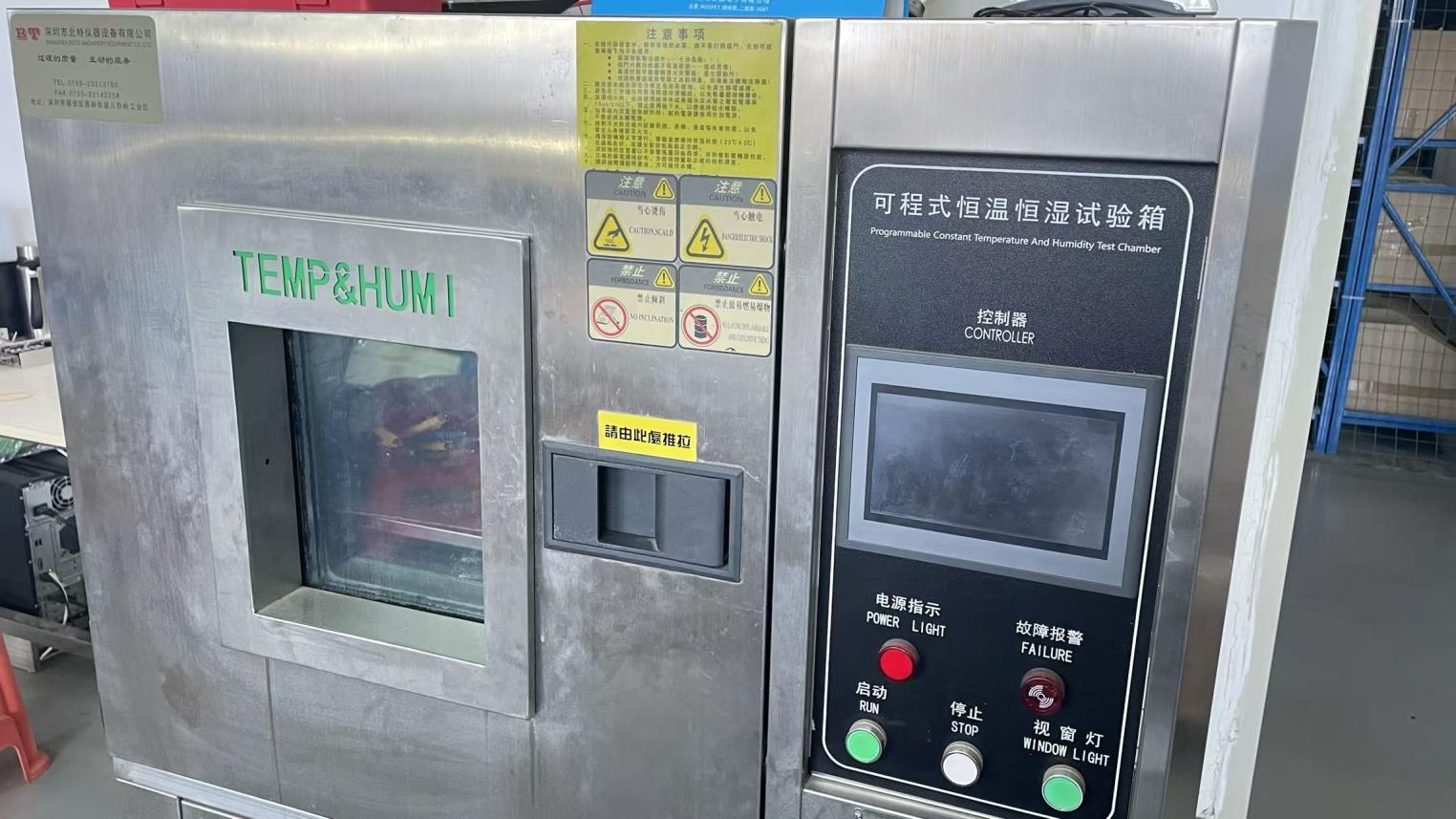
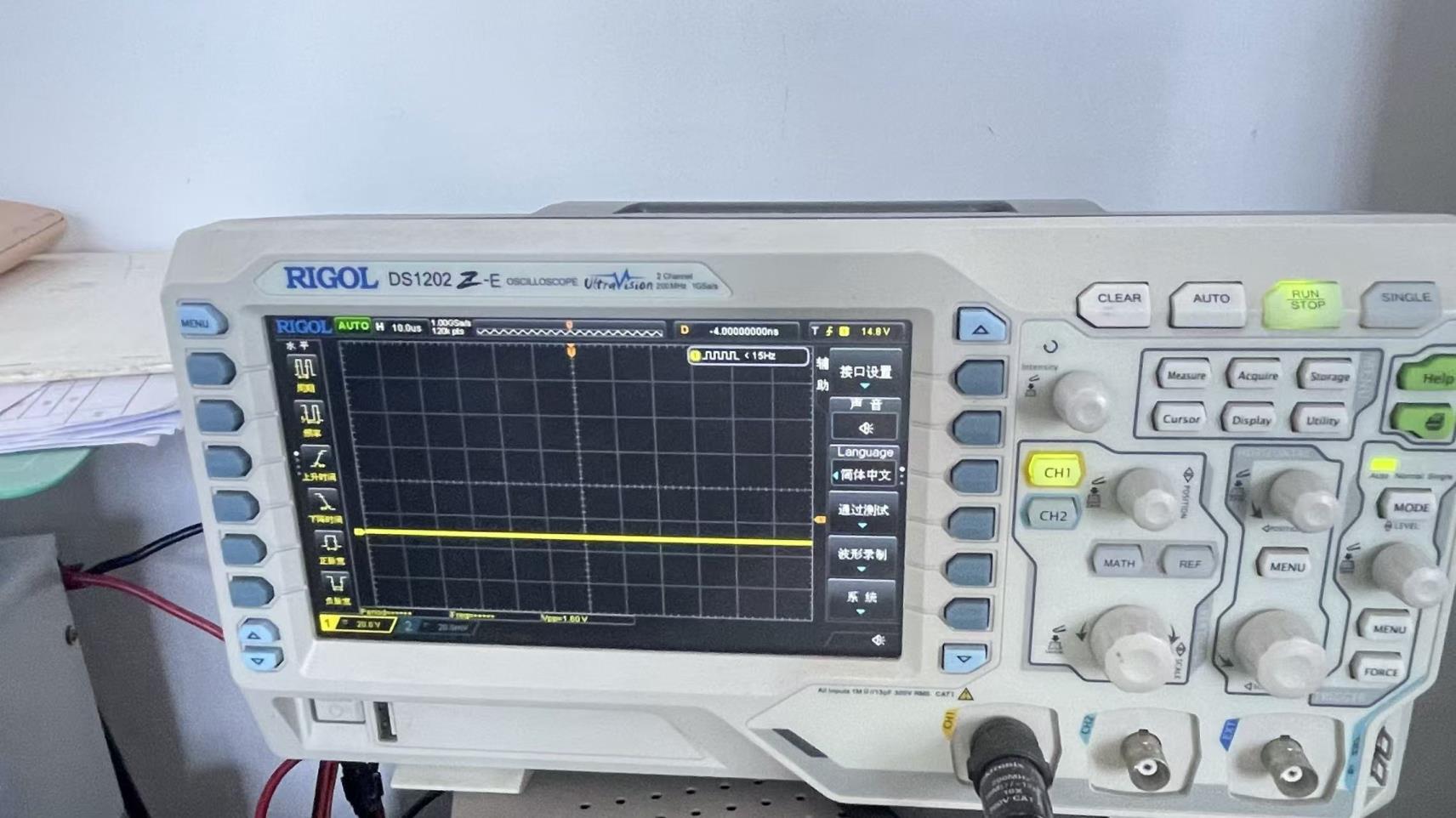
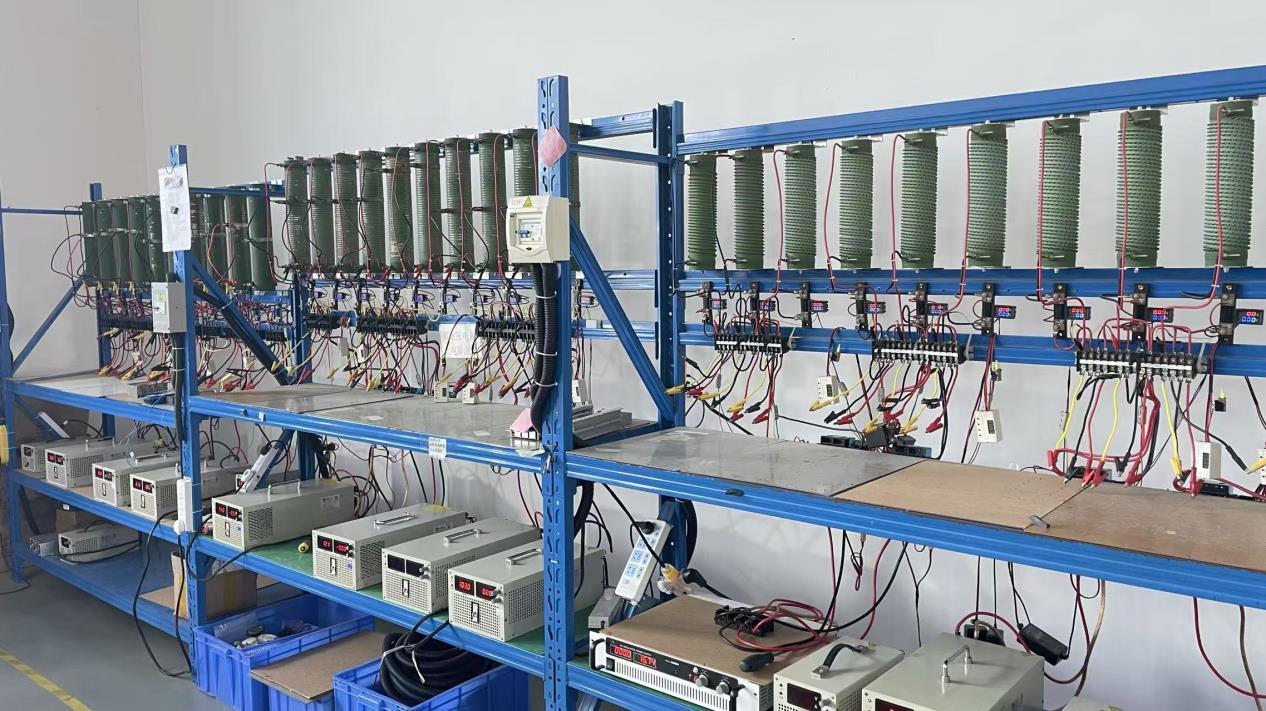
EVS integrates comprehensive parameter testing into each development cycle to verify thermal stability, insulation rating, and operational lifespan.

Reliability is verified through stress testing under harsh operating conditions. Modules are tested beyond nominal limits to establish safe margins against voltage surges, thermal excursions, and transient spikes.
By testing input and output ranges alongside MTBF profiles, EVS identifies and eliminates early-life failure risks before shipping. This focus on validation underpins EVS's reputation as a reliable OEM partner for industrial power conversion.

Analyzing the ecosystem benefits, engineering infrastructure, and logistical scaling advantages in the Greater Bay Area.
Guangzhou and the surrounding Pearl River Delta host the world's most dense concentration of copper wire winders, high-permeability magnetic core suppliers, and semiconductor packaging facilities. This proximity lowers raw material transit times and secures rapid component sourcing.
Prototyping custom magnetic configurations or bespoke PCB dimensions can be completed quickly. EVS transitions from CAD layouts to populated thermal models rapidly, significantly shortening time-to-market compared to regional supply chains without local component support.
Operating near the ports of Guangzhou and Shenzhen enables efficient intermodal transit. This localized shipping infrastructure reduces lead times and minimizes international transport friction for high-volume custom production runs.
How compact power systems act as the primary operational backbone across critical industries.
The expansion of 5G microcells requires space-efficient, high-efficiency power equipment. Telecom networks require 48V DC rectifier shelves with hot-swappable redundancy and remote management capabilities.
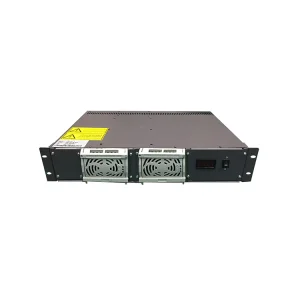
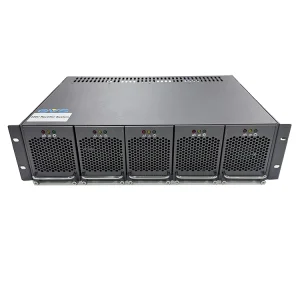
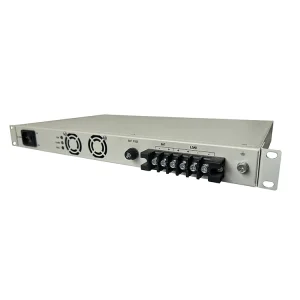
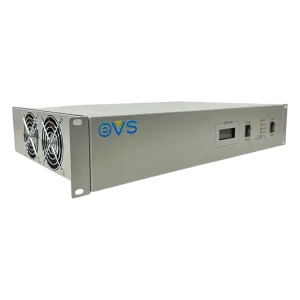
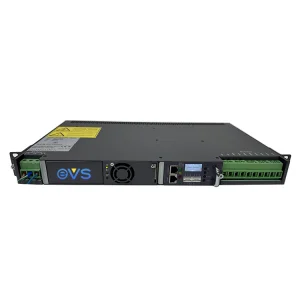
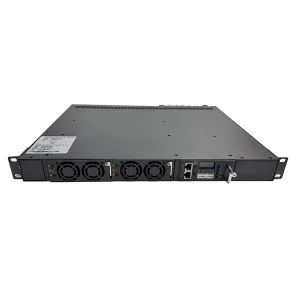
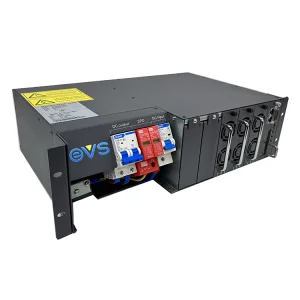
EVS power modules feature standard rack-mount designs with built-in SNMP controllers. These units monitor efficiency, operational temperature, and real-time current distribution, protecting microcells against transient overvoltage and input line drops.
Fast-charging networks require high efficiency and rugged protection. Converter systems convert variable high-voltage inputs into stabilized auxiliary DC lines to power controller boards, coolant pumps, and user interfaces.
These converters operate in harsh outdoor environments and are engineered to withstand continuous thermal cycling, dust ingress, and transient high-current spikes.
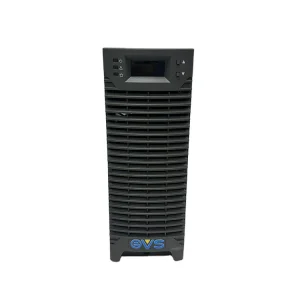
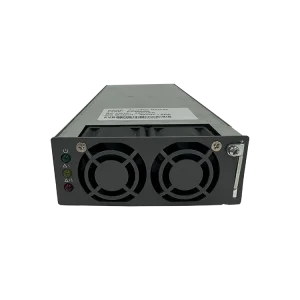
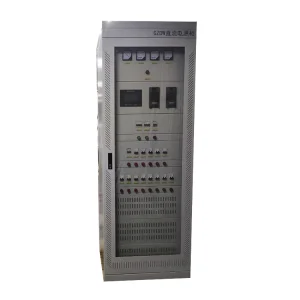
Electrical switchgear substations require constant DC auxiliary power to maintain operation during line faults. GZDW charging cabinets utilize modular rectifiers to charge battery banks while supplying clean DC power to protection relays and control buses.
EVS rectifiers operate with an efficiency of up to 92-95%, ensuring reliable service during power interruptions.
Precision manufacturing systems rely on stable, low-noise control voltages. In industrial environments with electromagnetic interference from heavy motors and variable frequency drives, isolated converter modules protect delicate PLC controls.
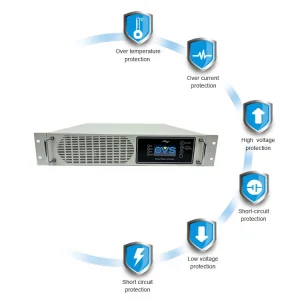
EVS designs incorporate multi-stage EMI filtration, high galvanic isolation ratings, and robust short-circuit protection to prevent control system disruptions.
GaN switching elements enable higher frequencies with lower thermal losses. This allows designers to use smaller inductors and capacitors, significantly reducing the overall footprint of high-power converters.
Microcontroller-driven digital control loops replace analog PWM circuits. This allows real-time tuning of transient responses and enables predictive maintenance reporting via PMBus telemetry.
Planar magnetics replace traditional wire-wound transformers with flat PCB traces. This design improves thermal dissipation, reduces electromagnetic emissions, and ensures uniform quality across production runs.
Procurement teams managing international infrastructure projects must verify compliance with local safety and environmental standards. Standard compliance is essential for safety, system longevity, and legal importation.
When auditing a Compact DC Converter Factory, procurement managers should evaluate production capabilities beyond sample performance. Key assessment areas include:
Expert answers regarding capabilities, technical standards, and production logistics.
Explore our full line of rack-mount rectifiers, heavy-duty buck converters, and high-frequency switching units.
 EVS Powers