EVS Powers
1 / 5
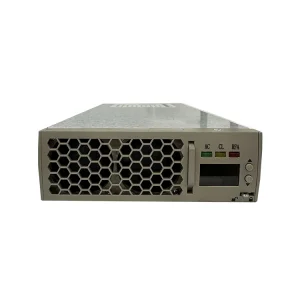
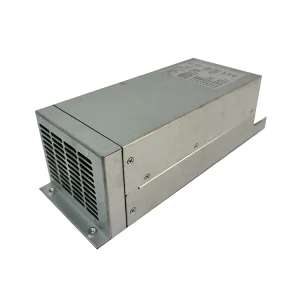
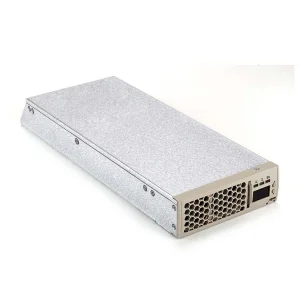
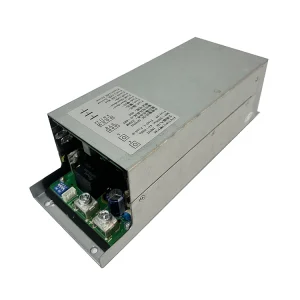
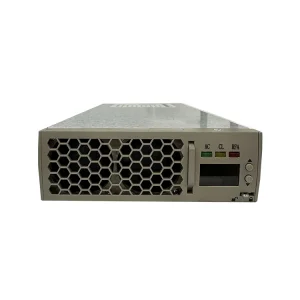
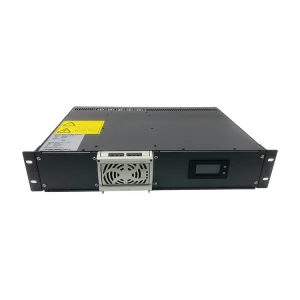
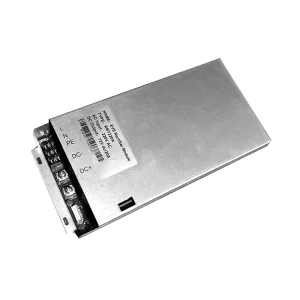
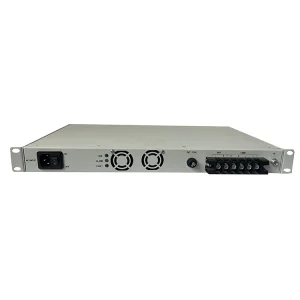
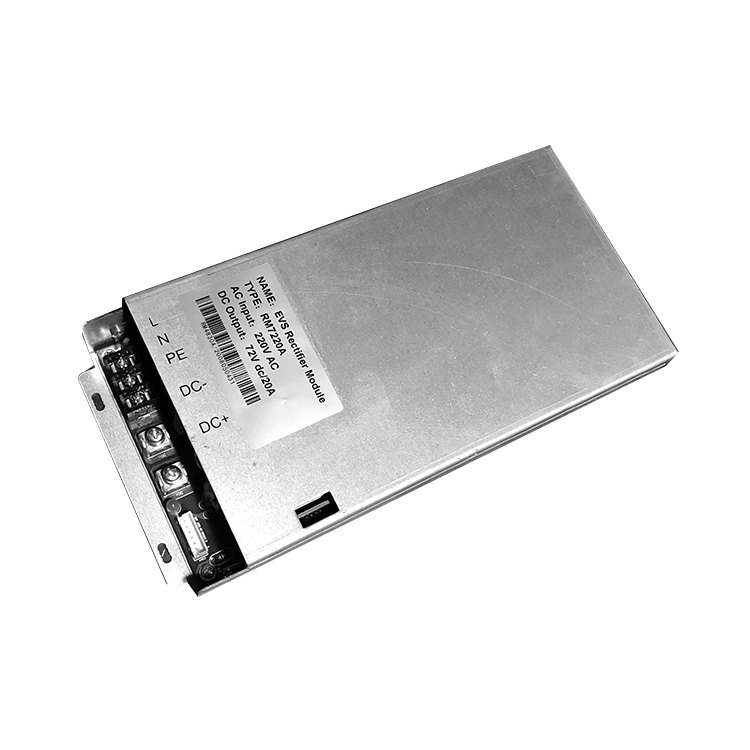
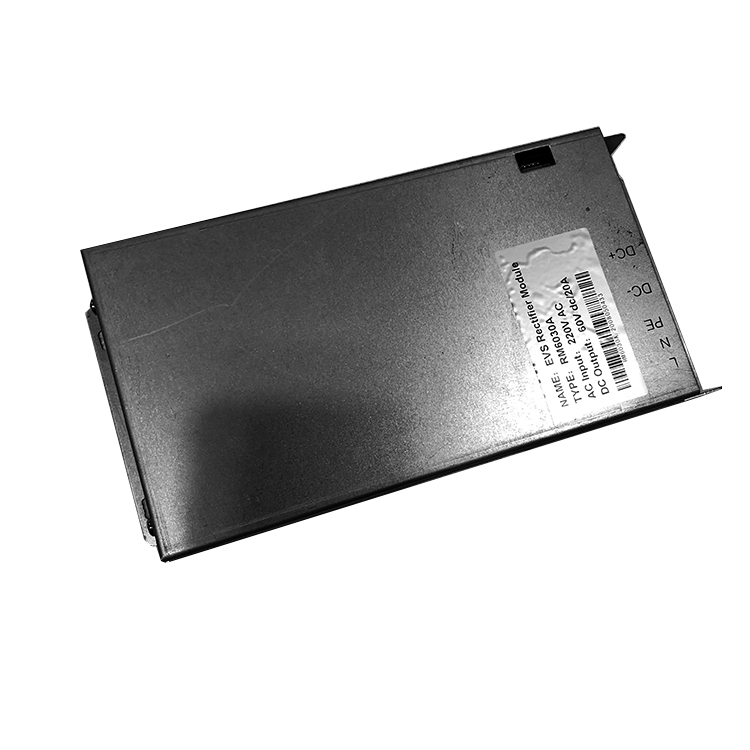
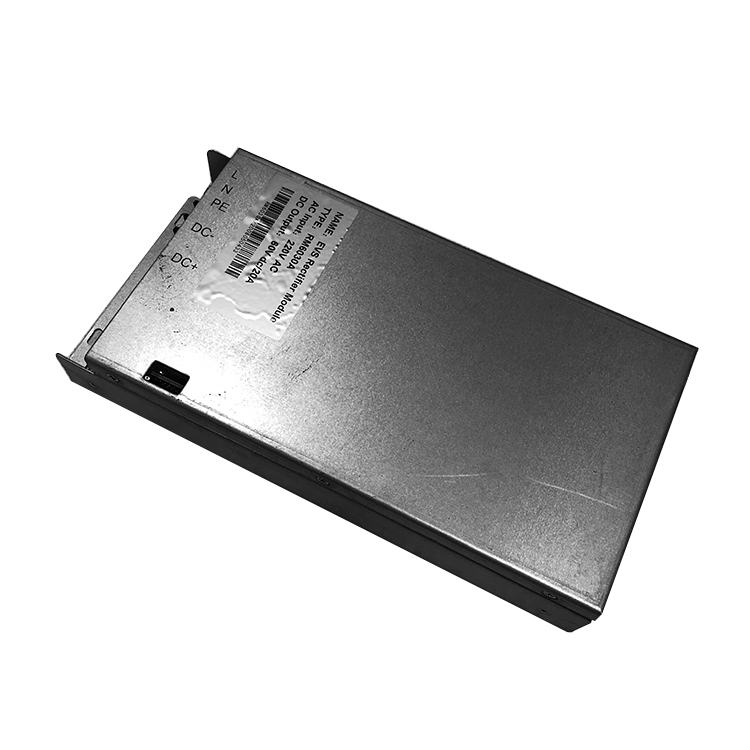
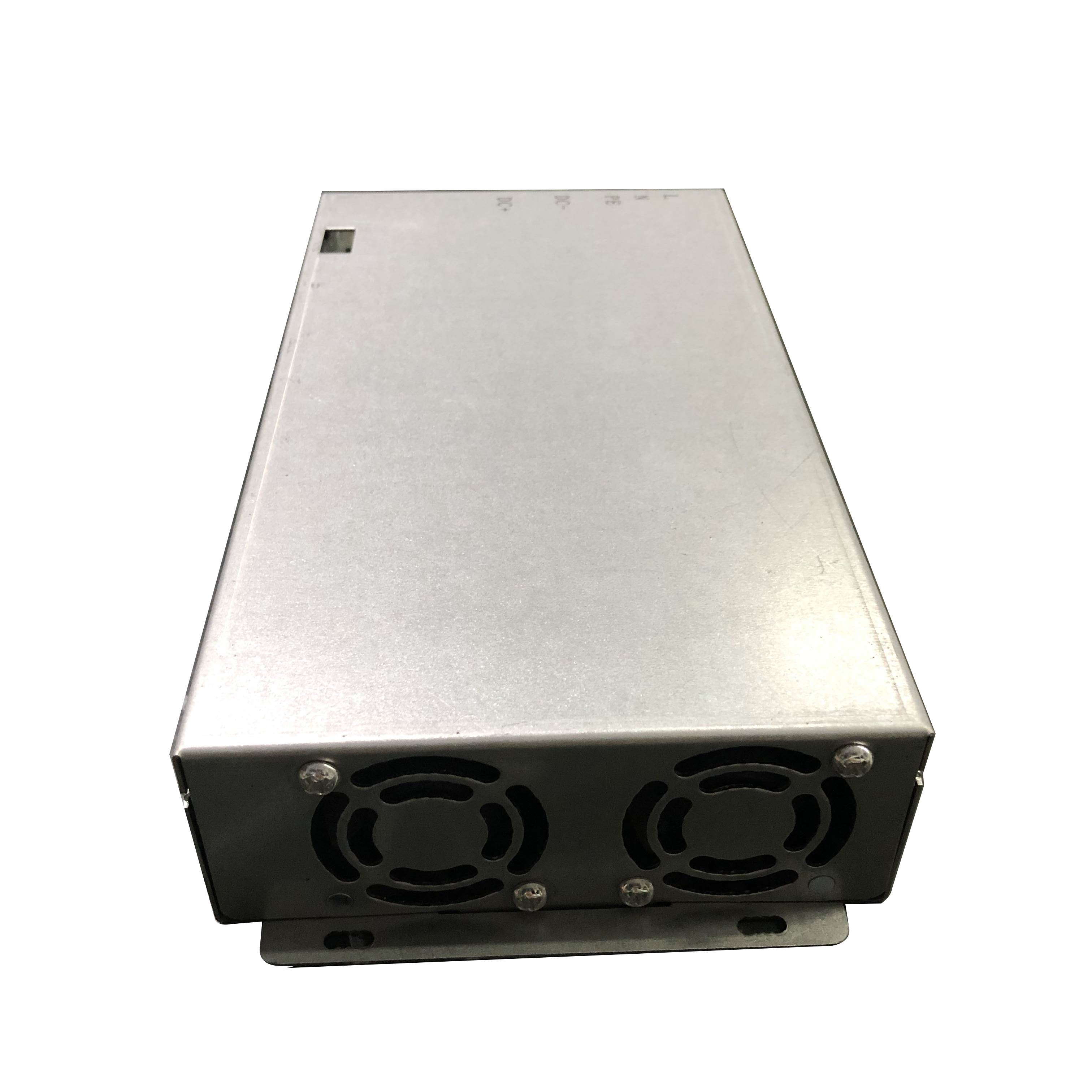
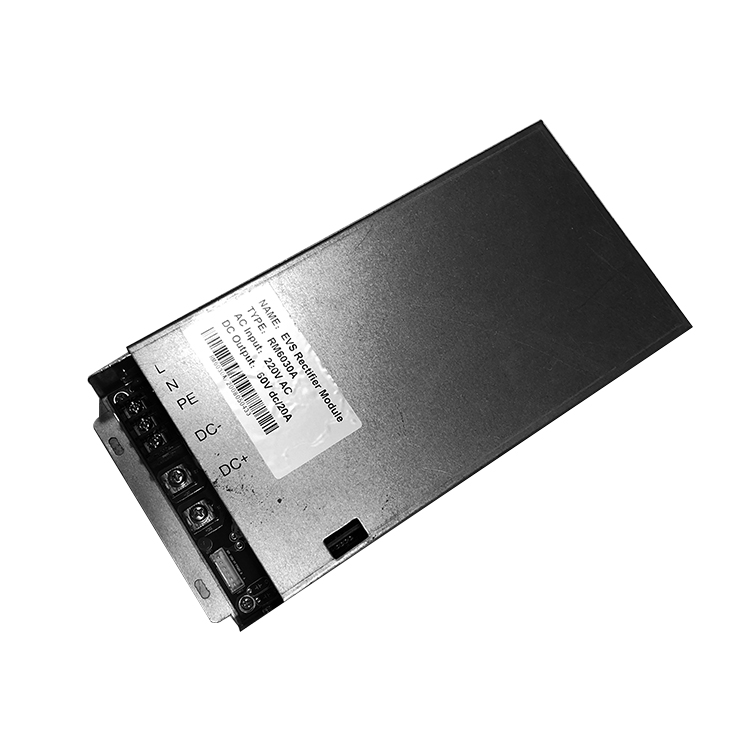
The lithium battery charger features the following specifications:
| Optional Configuration | Rectifier Module | Module Number | Distribution | Monitoring | Remark |
|---|---|---|---|---|---|
| Configuration | 20A | 1 pcs | AC distribution: AC220V input, Load output: 10A-30A |
— | Specific index refer to module specification |
| Parameter | Min. | Rated | Max. | Unit | Note |
|---|---|---|---|---|---|
| Rated working voltage range | — | 110/220 | — | Vac | — |
| Input voltage range | 90 | 220 | 280 | Vac | Three-phase five-wire input phase to phase 380V / relative zero line 220VAC |
| Input frequency | 43 | 50 | 67 | Hz | — |
| Lithium battery charger | 60 | 72 | 80 | Vdc | Battery pack’s positive and negative in parallel with DC output of rectifier module (polarity consistent) |
The normal operating AC input voltage range is wide, spanning from 90V to 280V, ensuring flexibility and adaptability across different power systems.
The system features full-bridge soft switching technology, allowing the 48V high-frequency switching DC power supply to achieve an efficiency rating of above 92%.
Yes, it features a flexible network design that provides various communication interfaces, including RS485 and dry contacts, allowing for both local and remote monitoring for unattended operations.
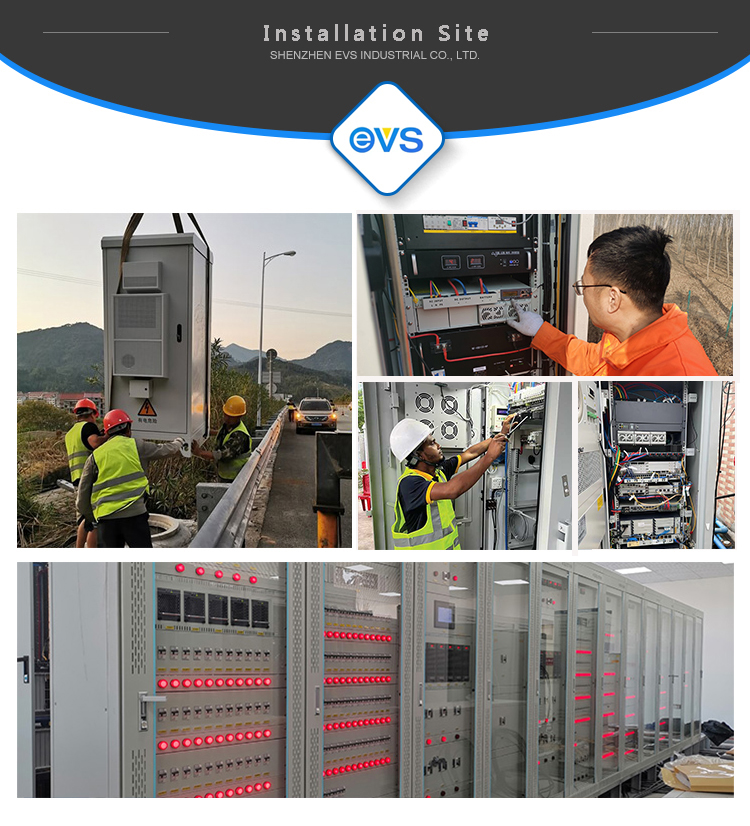
Yes, the system utilizes a no-damage hot insert and pull technology, enabling safe and quick replacement of the rectifier module in less than 1 minute without system disruption.
The system design is fully compliant with the EN60950 and GB4943 safety standards. It also adheres to standard electromagnetic compatibility (EMC) regulations to ensure low radiation and interference.
It features advanced battery management tools such as low voltage load disconnect (LVLD) and low voltage battery disconnect (LVBD). This supports automatic float control, temperature compensation, voltage regulation, and online battery capacity and performance testing.