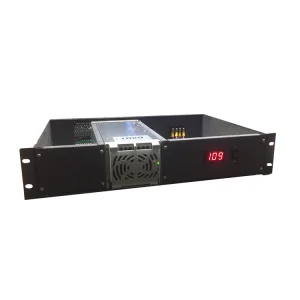
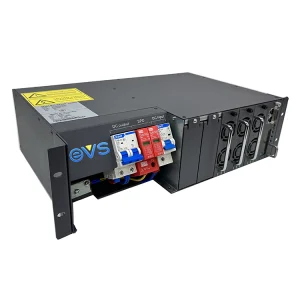
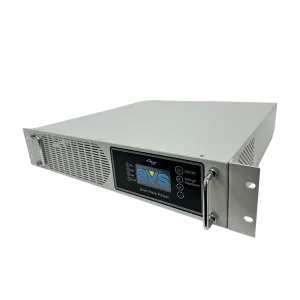
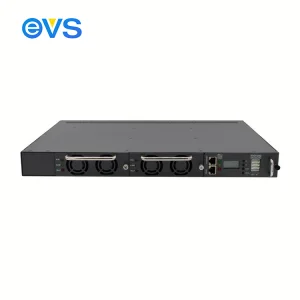
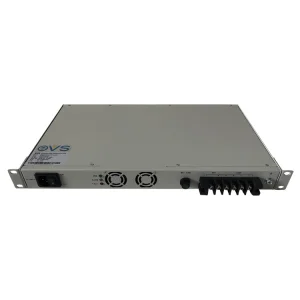
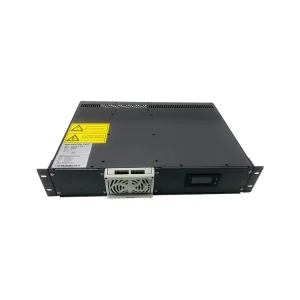
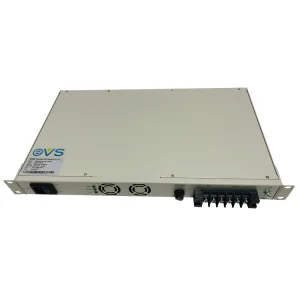
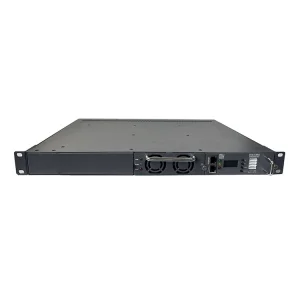
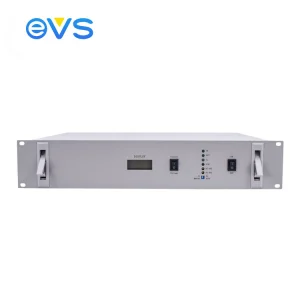
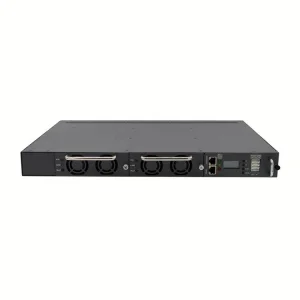
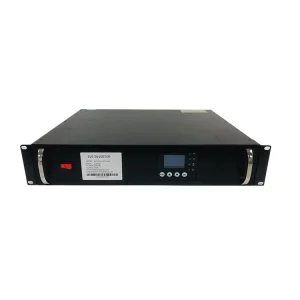
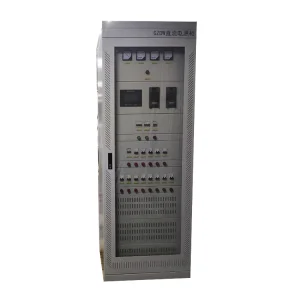
Explore our core engineering catalog featuring high-performance switching power supplies, DC-DC converter modules, and telecom rectifiers designed for heavy-duty industrial and outdoor application sites.
The global telecommunication ecosystem is undergoing a generational shift. With the massive rollout of 5G Standalone (SA) networks, micro-cell edge nodes, and high-frequency millimeter-wave transmissions, standard metal racks no longer suffice. Today's telecom equipment cabinets serve as intelligent thermal barriers, electrical control hubs, and security zones that protect sensitive electronic equipment from harsh environments.
Modern equipment cabinet architecture must integrate multi-voltage rectifiers, DC-DC converter assemblies, precision climatic controls, and intelligent power switching units (PSUs). These configurations ensure uninterrupted operation, prevent thermal runaway, and optimize power conversion efficiencies. As networks expand into remote areas, operators require ruggedized enclosures that guarantee a lower Total Cost of Ownership (TCO) and compliance with international standards.
By focusing on high-density materials, advanced thermal management, and precision power components, premium Chinese factories have evolved from simple sheet metal vendors into global solution providers of fully integrated telecom enclosures.
Understanding the strict engineering parameters required by global network administrators, government agencies, and industrial system integrators.
Purchasing directors and telecommunication planners must evaluate structural, environmental, and electrical parameters to prevent catastrophic network outages. Below are the core benchmarks required for modern telecom cabinet deployments:
As remote telemetry and edge compute modules pack more CPUs into compact spaces, thermal density increases exponentially. Telecom equipment cabinets must handle continuous thermal loads ranging from 500W to over 10kW. Common options include double-walled panels with air gap insulation, thermoelectric cooling (TEC) assemblies, air-to-air heat exchangers, or dedicated compressor-based DC air conditioning units. System reliability directly depends on maintaining internal temperature stability regardless of ambient fluctuations.
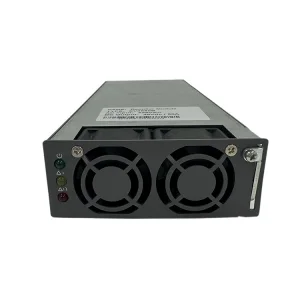
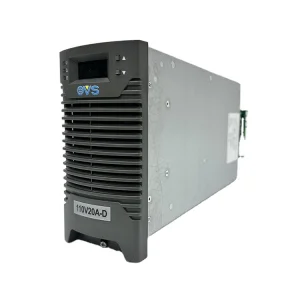
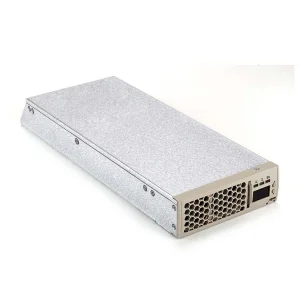
The heart of any outdoor cabinet is its power configuration. Standard deployments depend on modular rectifier frames that convert utility AC power into low-noise 48V DC or 110V DC outputs to feed telecommunication nodes. These modules must feature hot-swappable form factors, active current sharing, and N+1 electrical redundancy. Using converters with conversion rates over 92% minimizes power losses, reduces utility bills, and lowers thermal loads inside the enclosure.
To shield internals from dust, wind-driven rain, and airborne contaminants, outdoor cabinets must meet IP55, IP65, or NEMA 4X certifications. Dynamic rubber gaskets, dual-point locking mechanisms, and clean internal ducting route intake air through filters while isolating delicate components from corrosive elements.
Engineered cabinet architectures configured to handle specific environmental, geographical, and grid-related challenges worldwide.
Designed for base transceiver stations (BTS), fiber distribution nodes, and metro networks. Integrates high-capacity 48V rectifiers, dynamic ventilation control, and robust physical anti-theft mechanics.
Combines traditional utility inputs with solar PV, wind turbine, or hydro power configurations. Utilizes specialized grid-tie inverters and smart battery chargers to manage battery storage cycles.
Engineered with explosion-proof conduits, C5-M high corrosion resistance, and high-voltage DC-DC converters to operate in harsh, salt-spray petrochemical platforms.
A reliable Chinese manufacturer delivering high-end power electronics, switching power systems, and customized OEM/ODM electronics configurations to global markets.
Located in the international trade city of Guangzhou, Guangzhou EVS Powers Co., Ltd. is a professional manufacturer of high-quality switching power supplies, DC power systems, power supply units, DC-DC converters, power inverter series, and custom OEM/ODM electronics. We prioritize customer satisfaction, using product quality as our development foundation and cost-efficiency as our competitive edge.
With strong credit standing and premier customer service, EVS has established long-term partnerships across Europe, South and North America, Australia, the Middle East, and Southeast Asia. We are dedicated to sharing our design knowledge, production technologies, and industry experience to support our partners, deliver competitive pricing, and foster mutual growth in the global electronics sector.
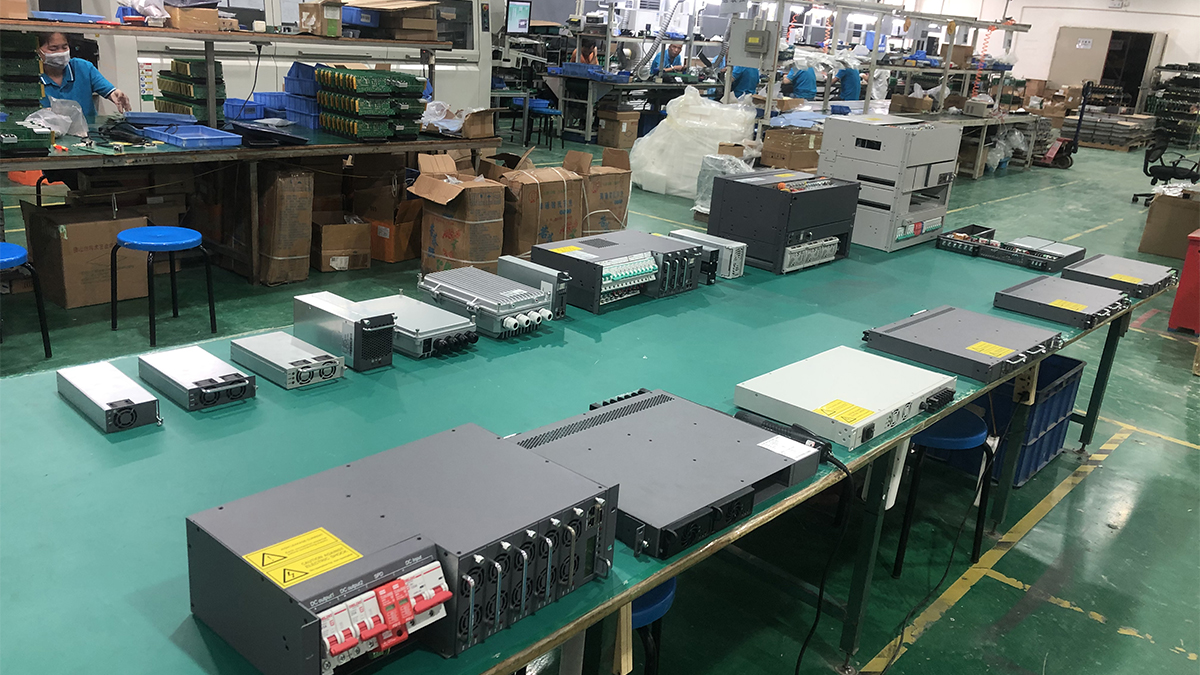
Inside the Guangzhou EVS Powers facility: high-speed automation, precise machining, and strict quality gates at every production stage.
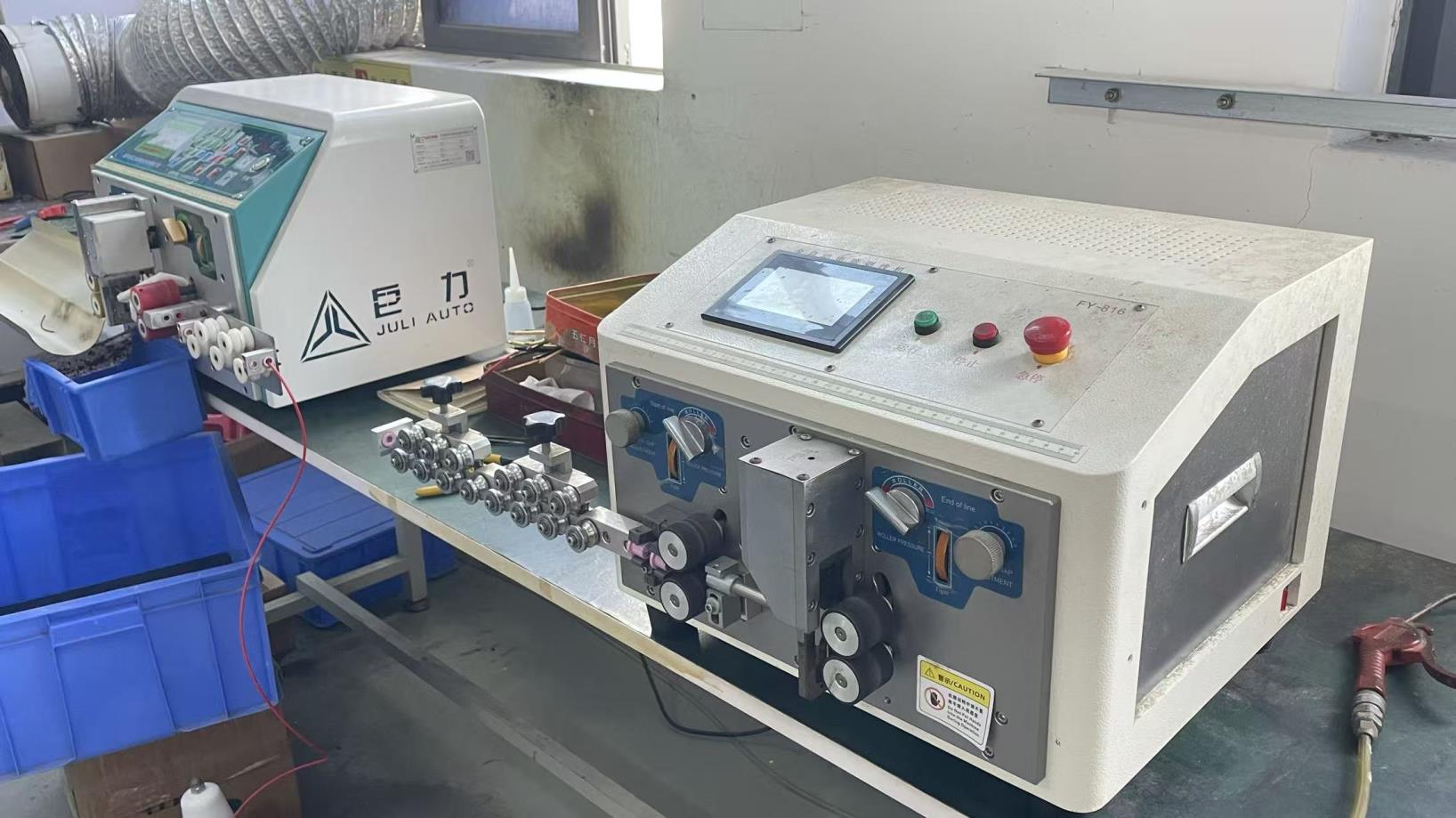 Wire Cutting
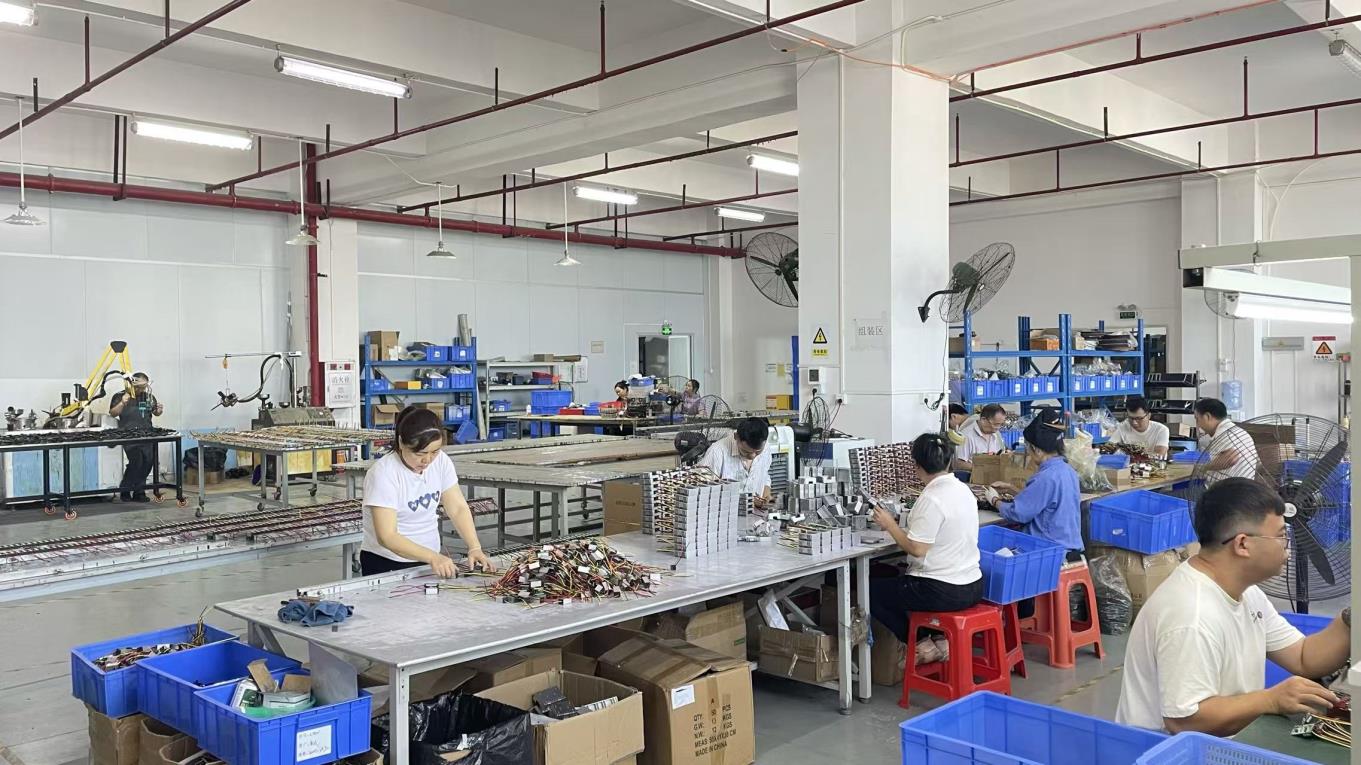 Plug-In
 Soldering Tin
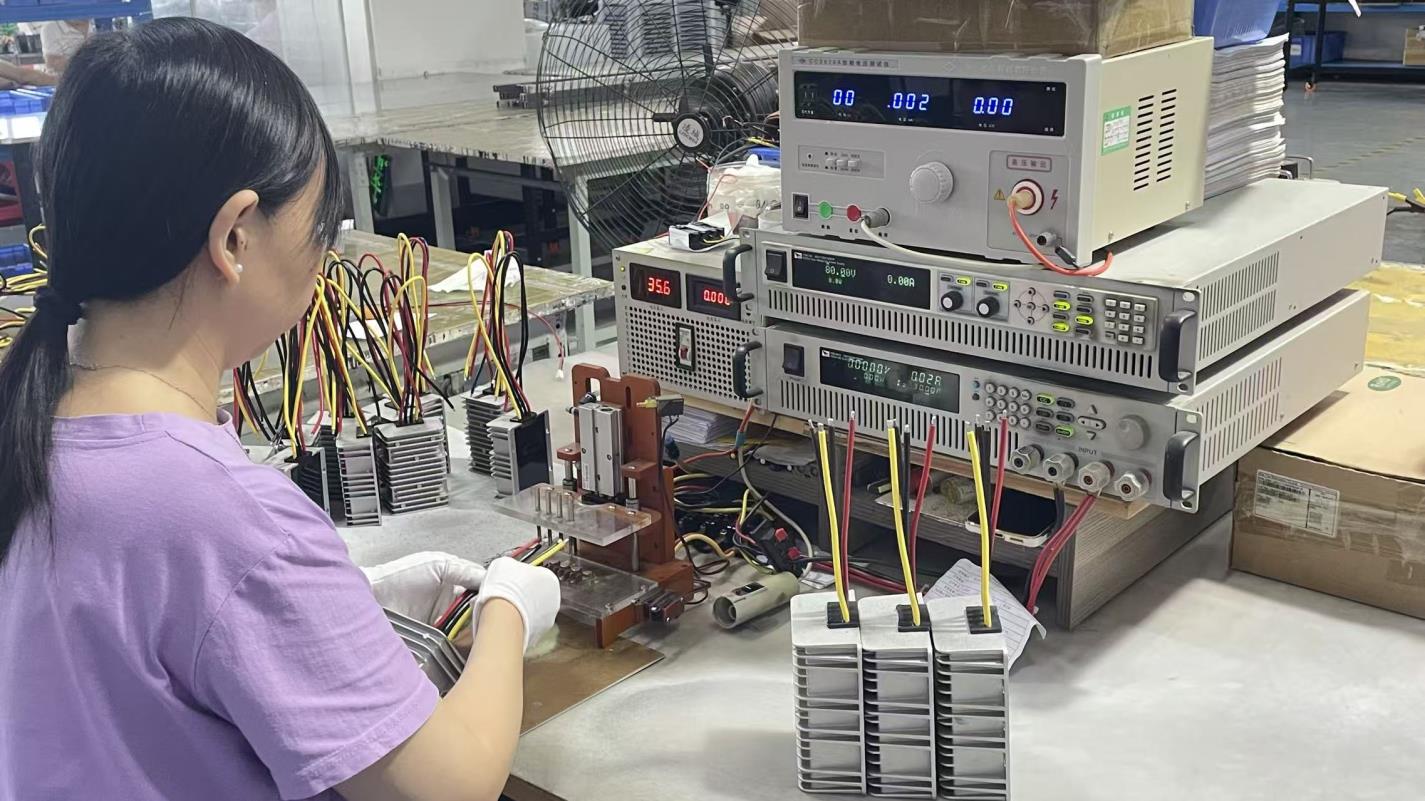 Test
Test
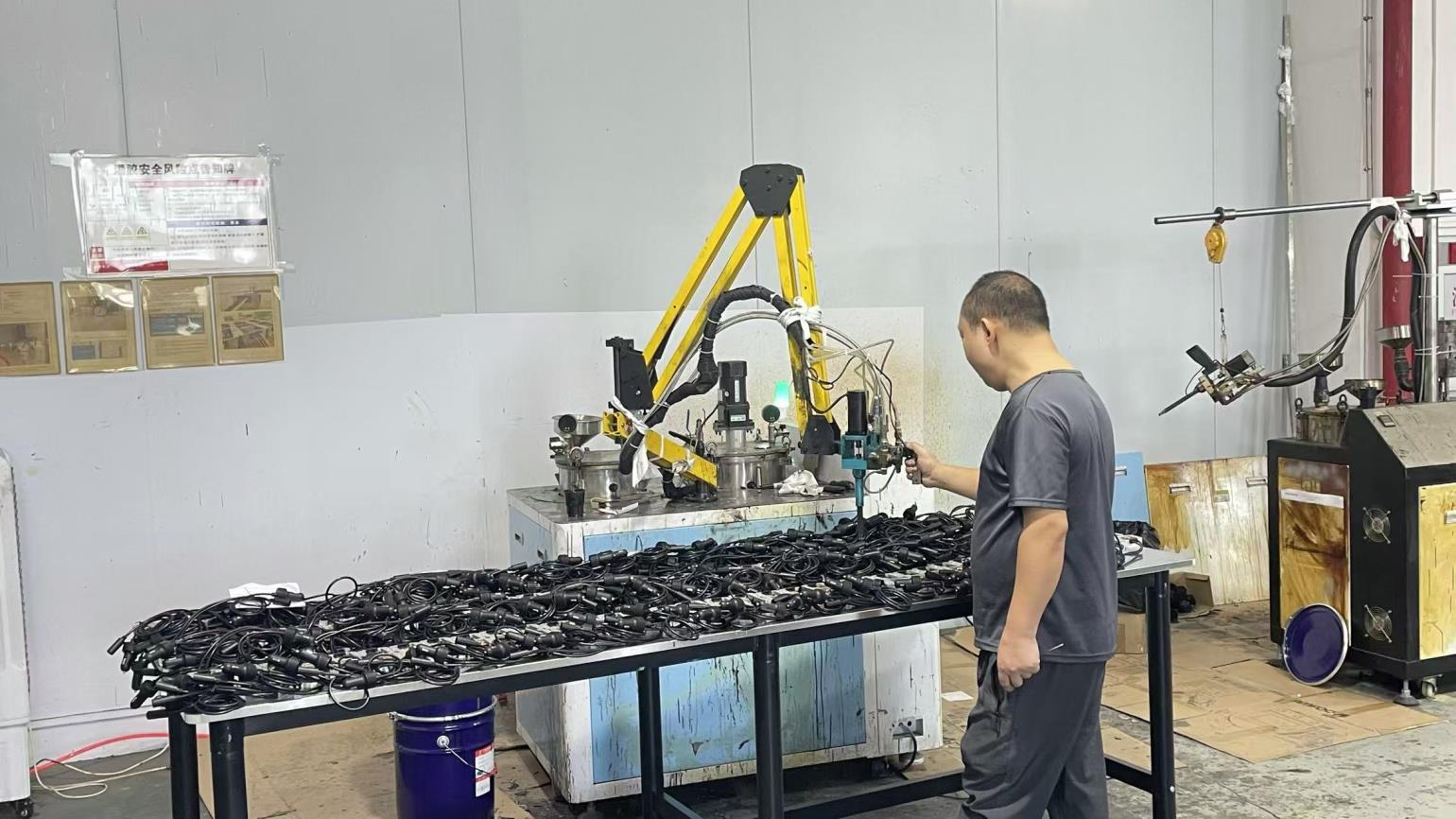 Glue Filling
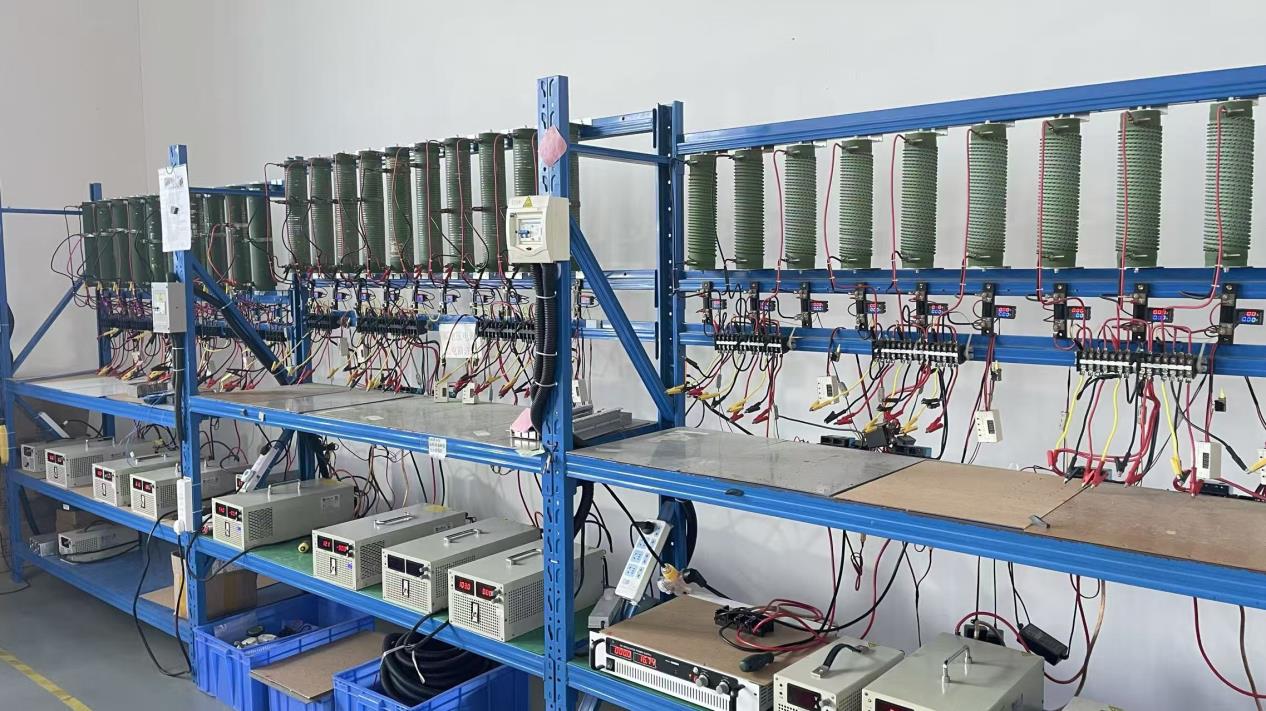 Burn-In Test
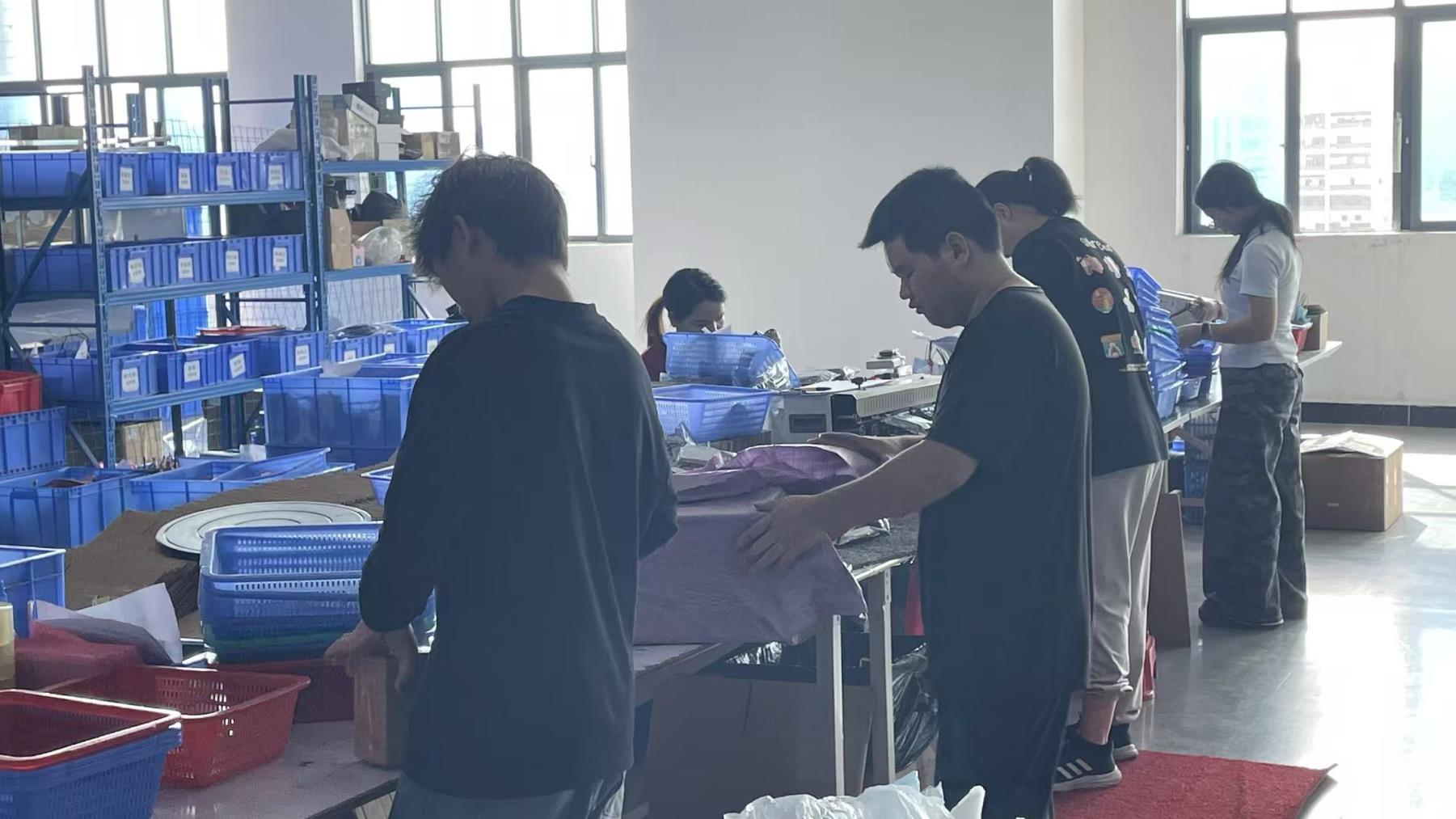 Packaging
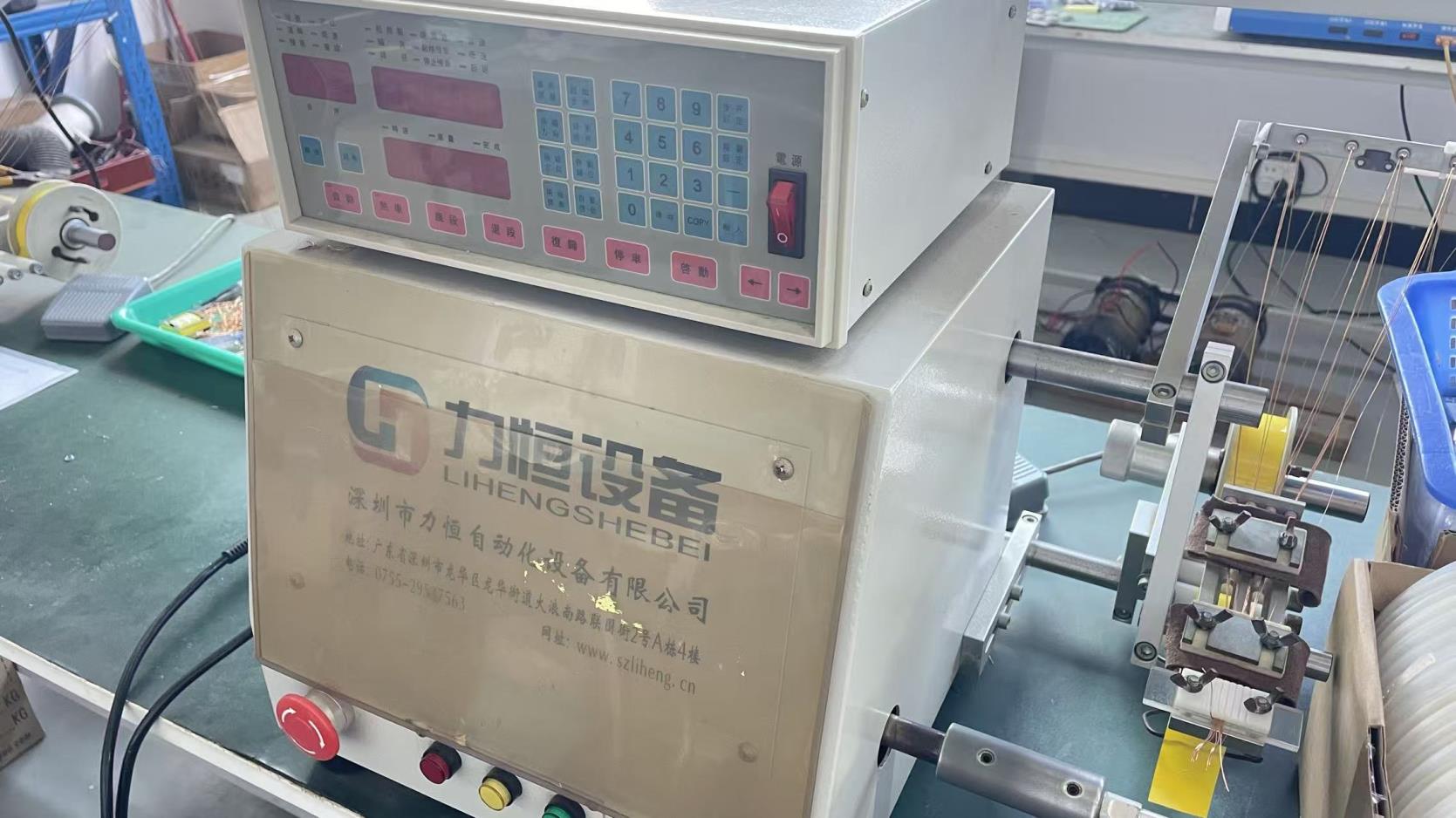 Winding Machine
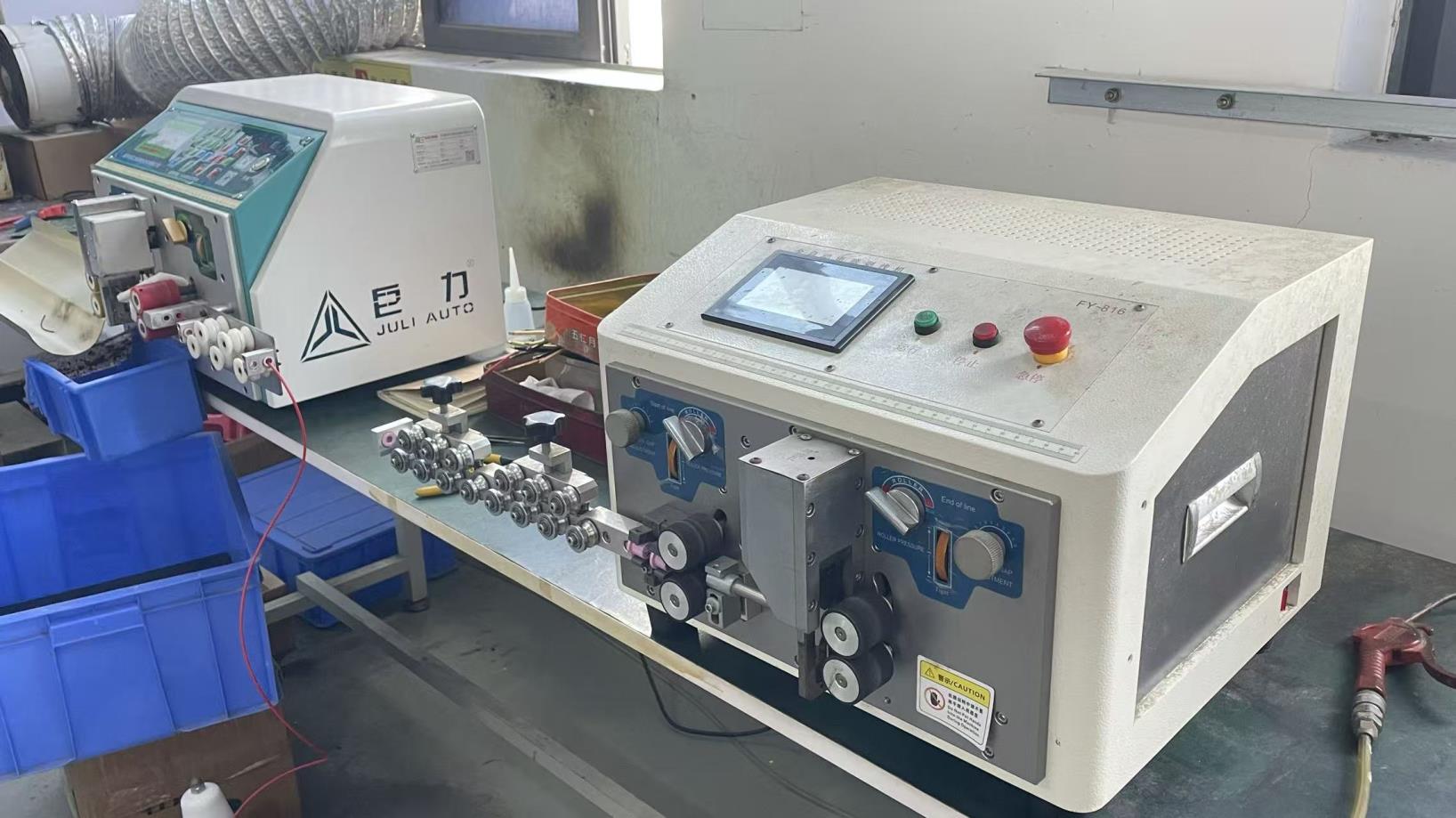 Wire Cutting Machine
 Automatic Soldering Machine
 Laser Engraving Machine
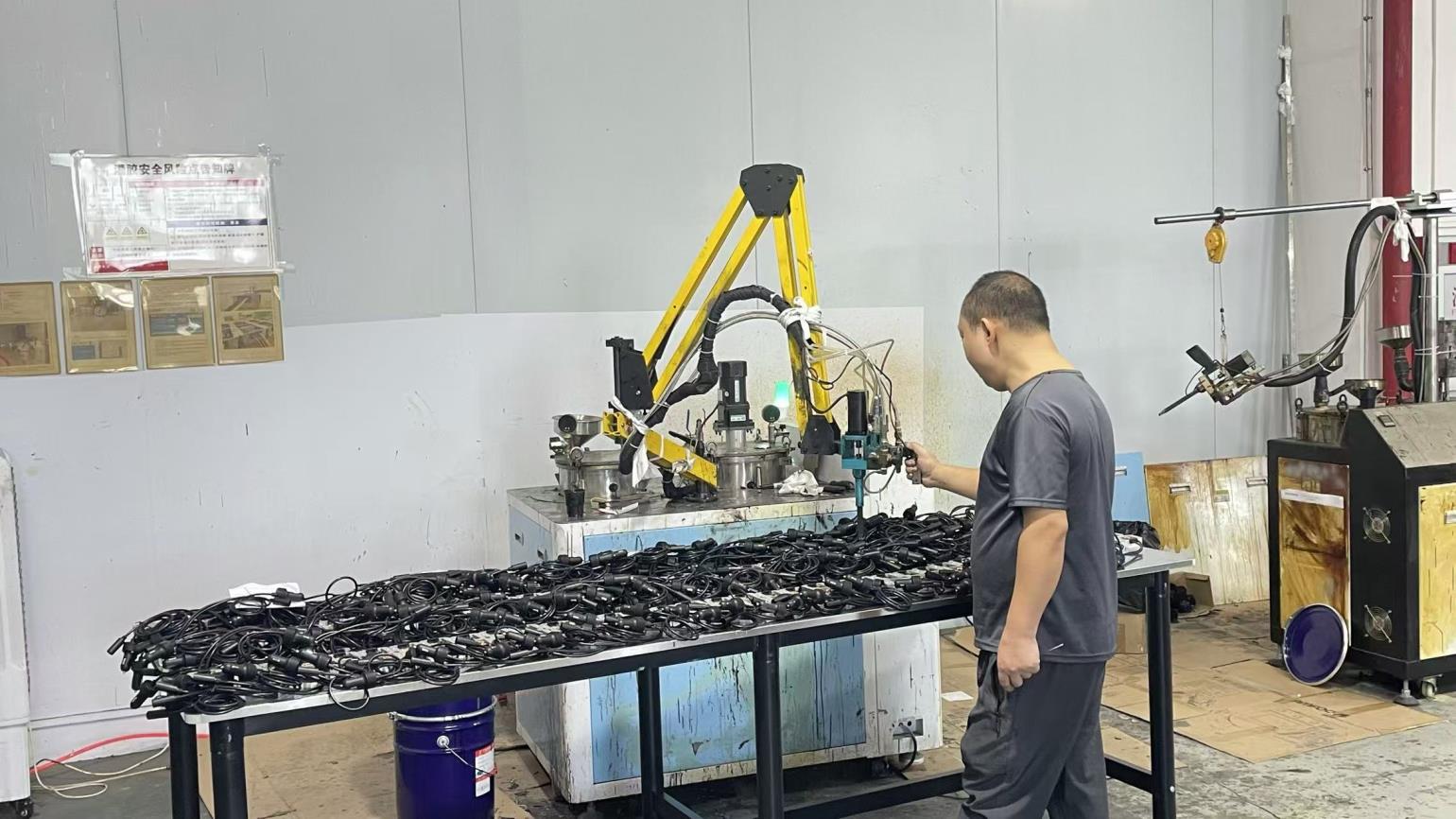 Canning machine
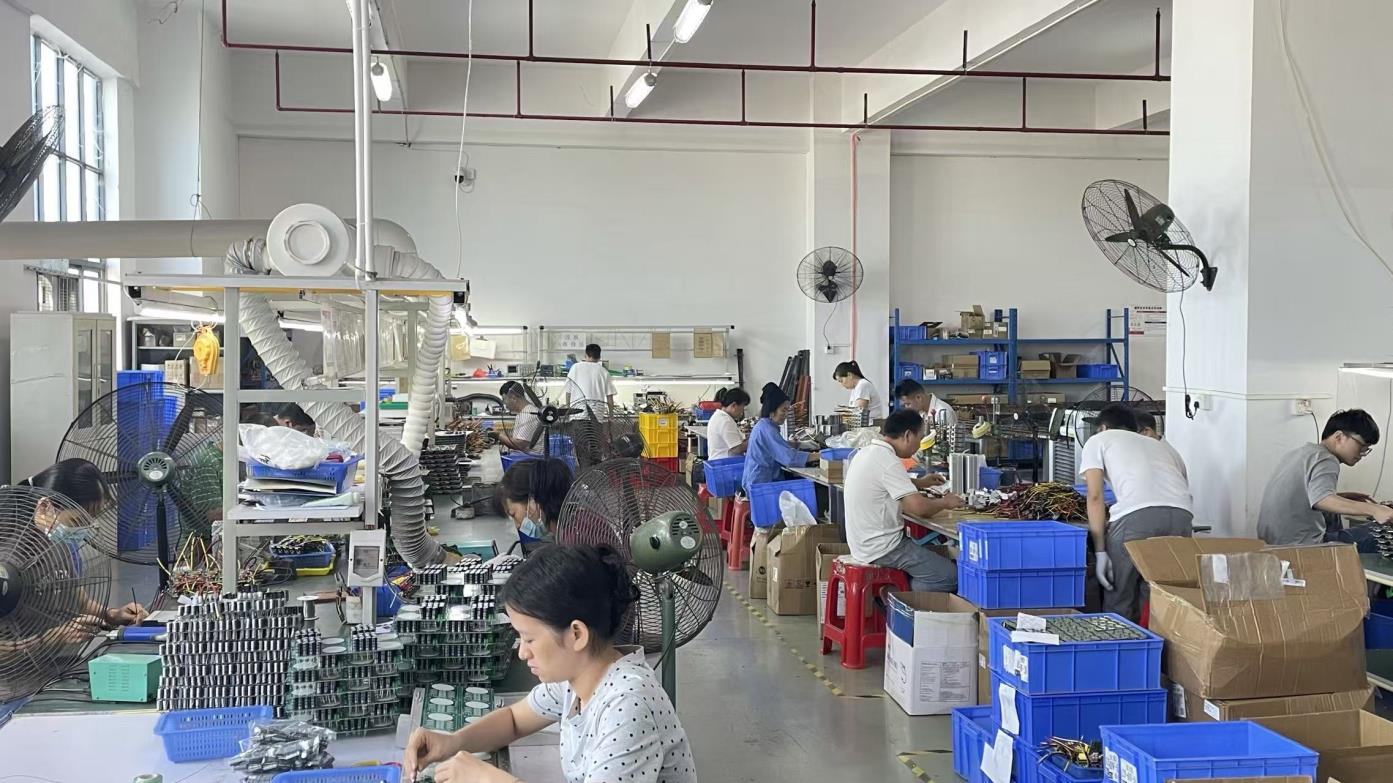 Assembly Line
Comprehensive validation and inspection procedures ensuring each unit conforms to international standards for safety and long-term performance.
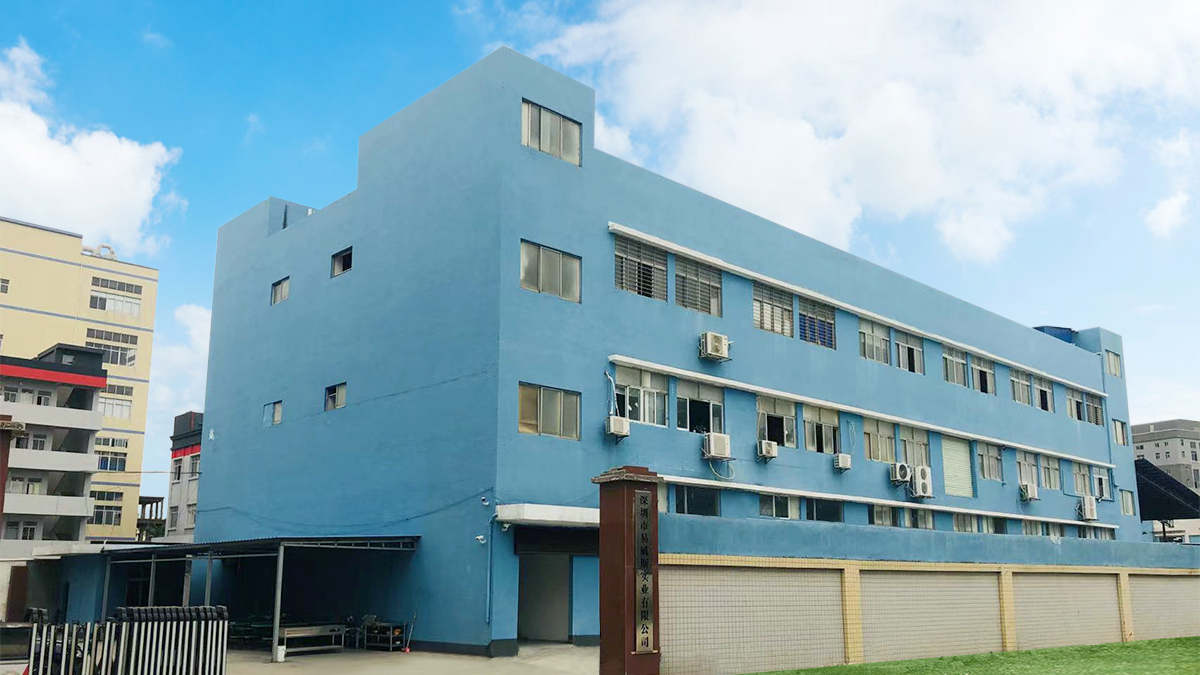
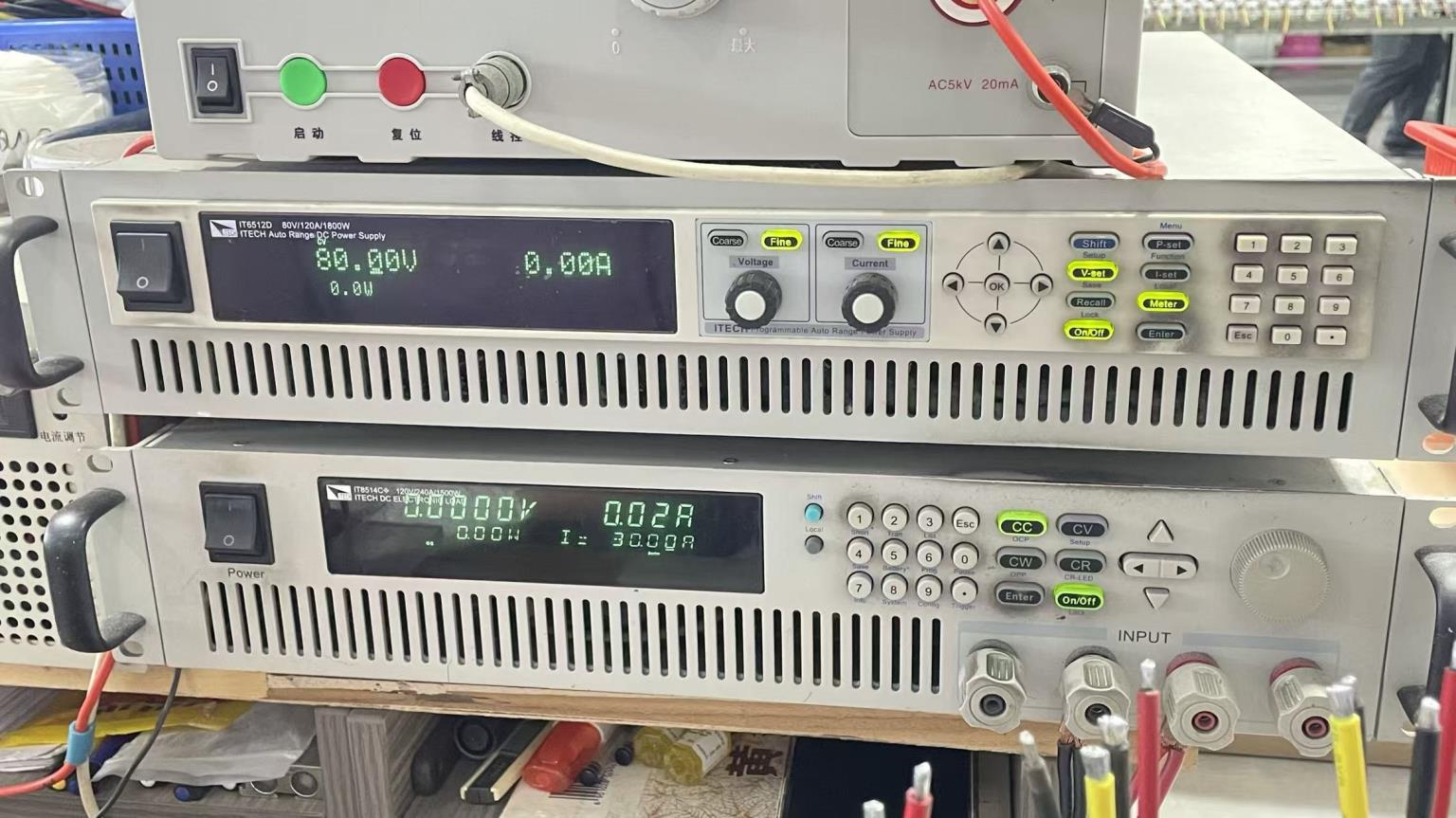 DC Power Supply Tester
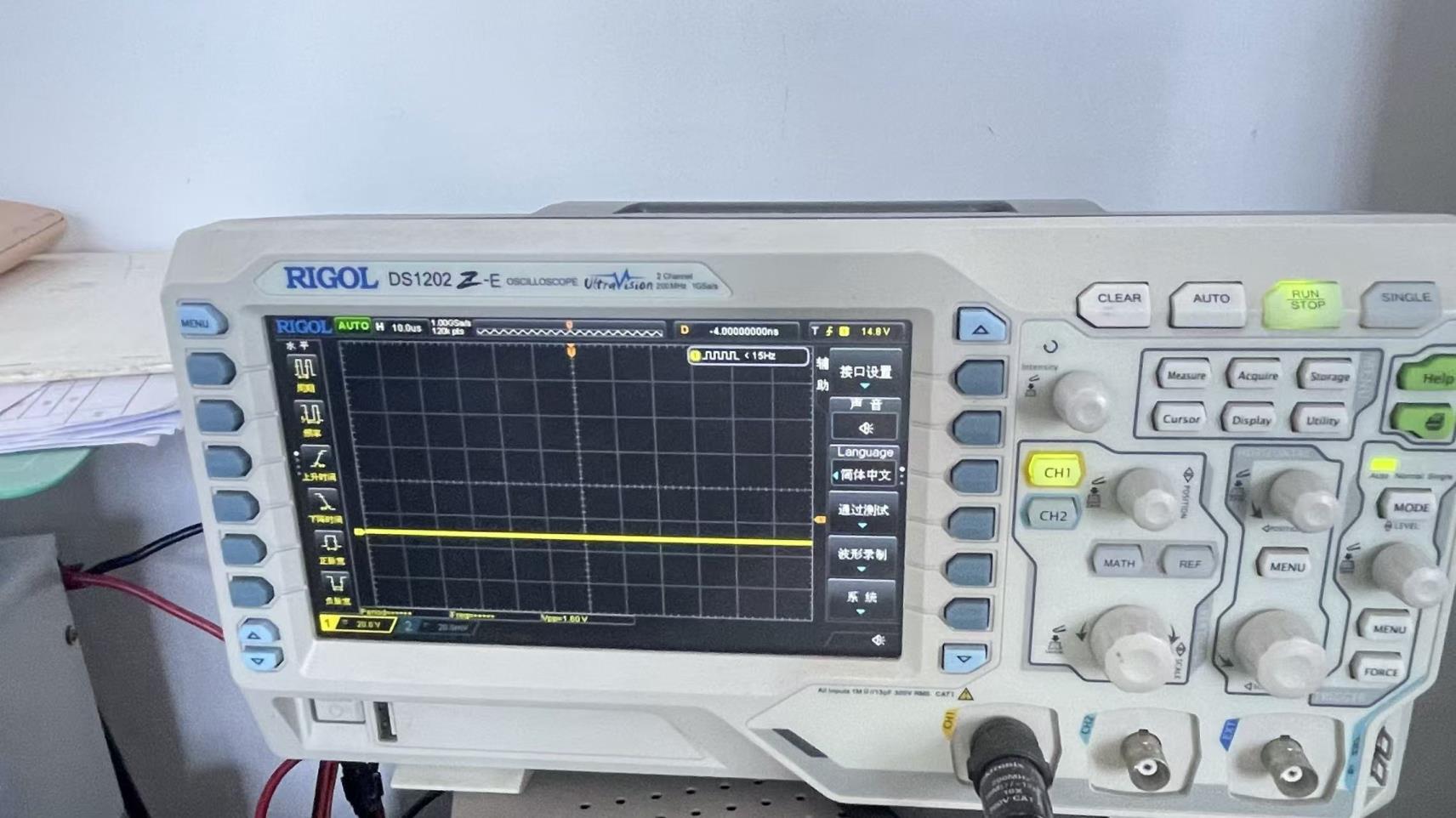 AC Withstand Voltage Tester
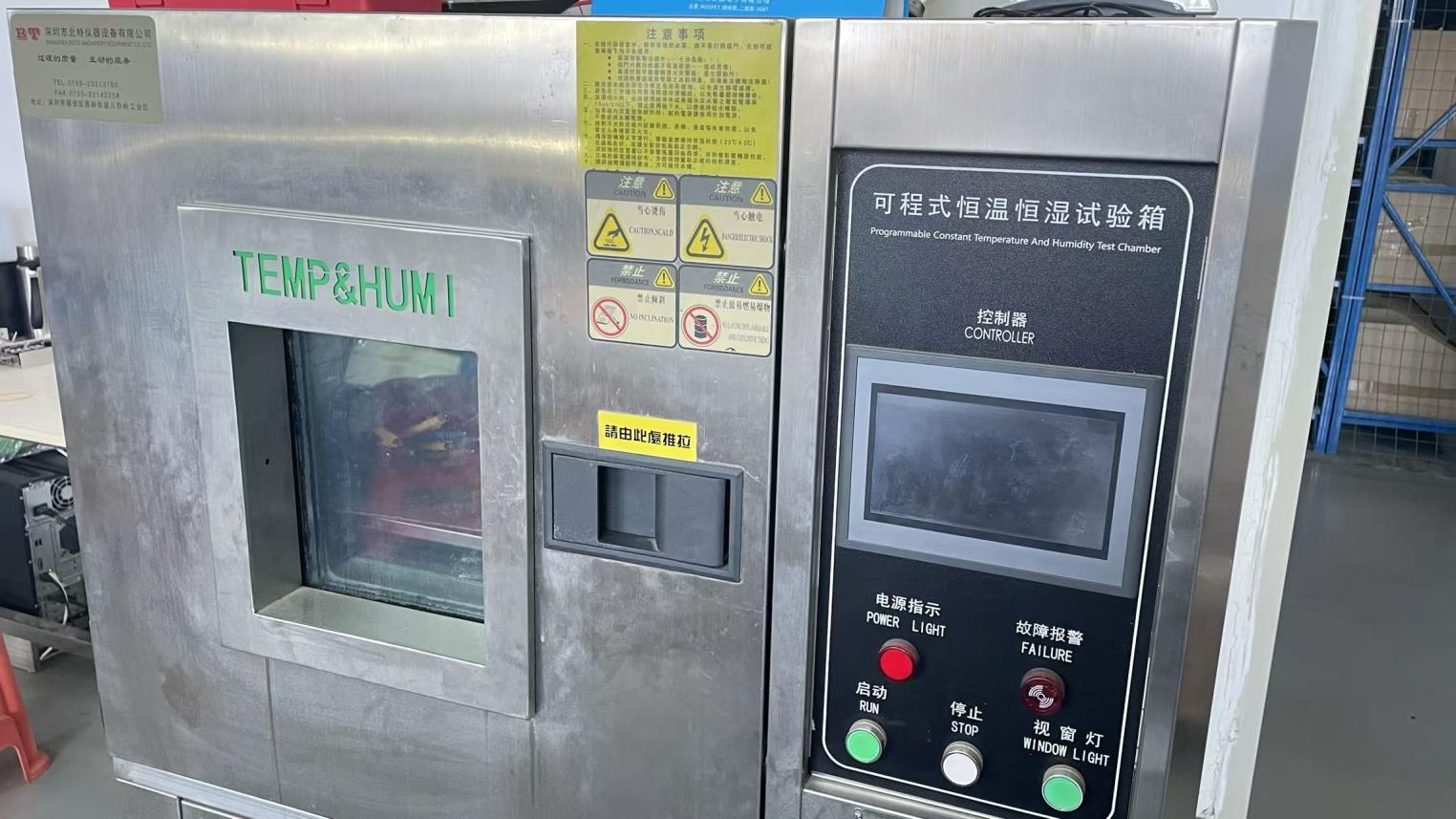 Constant temperature and humidity chamber
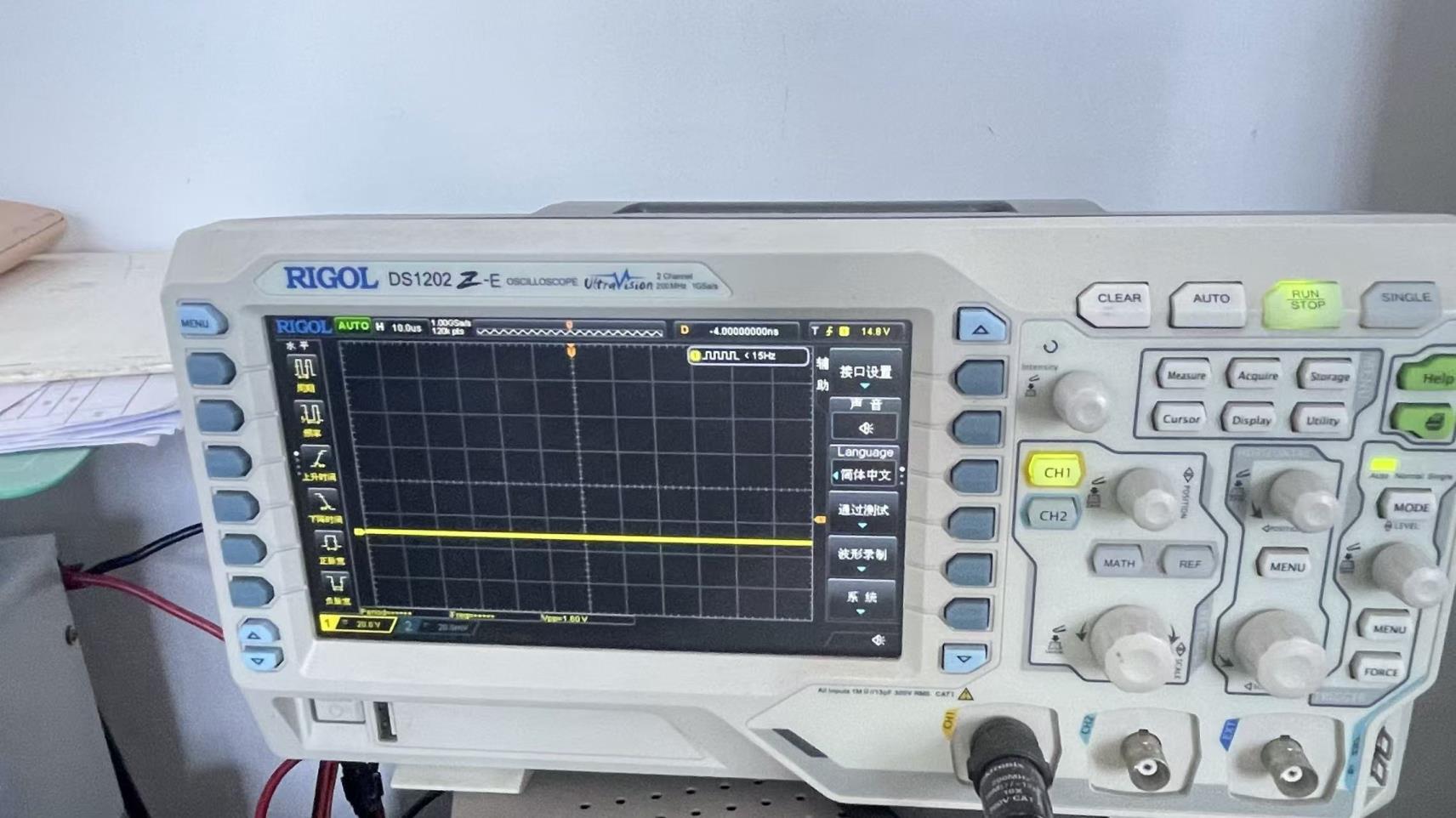 Optical microscope
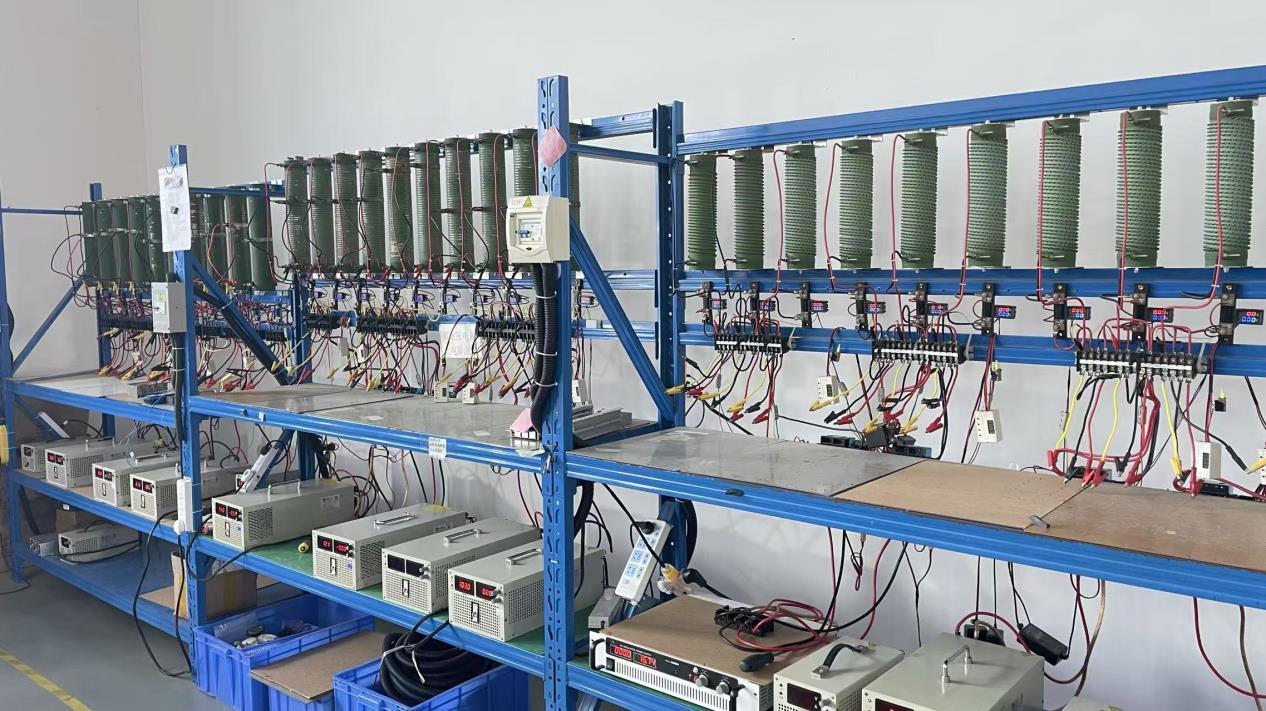 Aging test
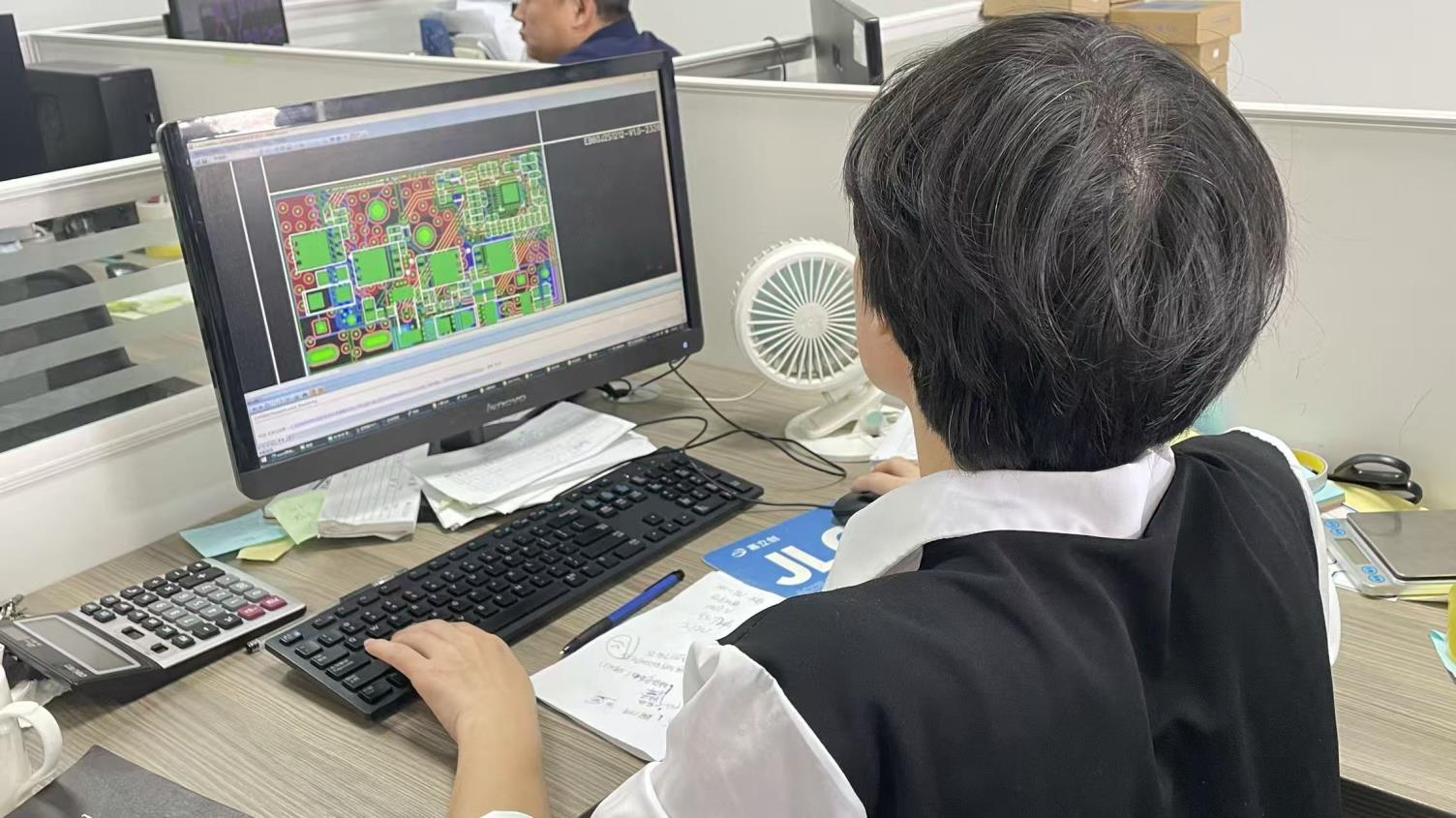 Design
Navigating global regulatory landscapes requires expertise in local compliance protocols. Guangzhou EVS Powers ensures that our power electronics and customized cabinet assemblies meet stringent regional guidelines (CE, UL, RoHS) before export.
We work with international logistics networks to guarantee secure containment and damage-free delivery. Our technical support covers system sizing, rectifier compatibility assessments, field-level retrofits, and comprehensive post-sale support.
Next-generation telecom cabinets are evolving into active network nodes. EVS's development roadmap focuses on integrating IoT telemetry, AI-driven predictive cooling, and ultra-high-efficiency converter layouts.
Future iterations will feature remote cabinet health metrics, automated battery test runs, dynamic solar-grid load management, and carbon-neutral housing materials. Partnering with EVS keeps your infrastructure ready for upcoming network transformations.
Get answers to common technical queries about telecom cabinet design, rectifier integration, and operational safety.
Heat dissipation calculations sum the maximum thermal dissipation of all internal active electronics (rectifiers, converters, battery systems, and switchgears) plus solar radiation gains. We then size heat exchangers or active HVAC units with a 20% safety margin to prevent internal hotspots.
48V DC is standard in telecom systems because it balances safety and efficiency. It is low enough to prevent electrical shock hazards for field technicians, yet high enough to transmit power efficiently over typical rack distances without excessive wire gauge requirements.
Our converters use high-frequency switching technology with wide input voltage windows (e.g., 18-36V or 323-475V inputs) and fast response times. They protect downstream components from voltage surges, sags, and transient spikes.
Yes. By applying hot-dip galvanized steel or premium aluminum alloys treated with outdoor-grade polyester powder coatings (exceeding 1000 hours of salt spray testing), our enclosures resist oxidation and rust in harsh coastal or tropical environments.
We provide full customization, including chassis dimensions, internal rack layouts, integrated rectifiers or inverter units, specialized cable gland plates, dual-door access, custom corporate branding, and climate control configurations.
Explore the remainder of our specialized line, offering reliable DC/DC conversion, grid-tie hydro power integration, and high-current battery chargers.
 EVS Powers